1970s Parenting Rules Today: How Much Has Changed?
Explore how 1970s parenting rules like independence, discipline, and sleep training compare to today's child development insights. Discover what's evolved.
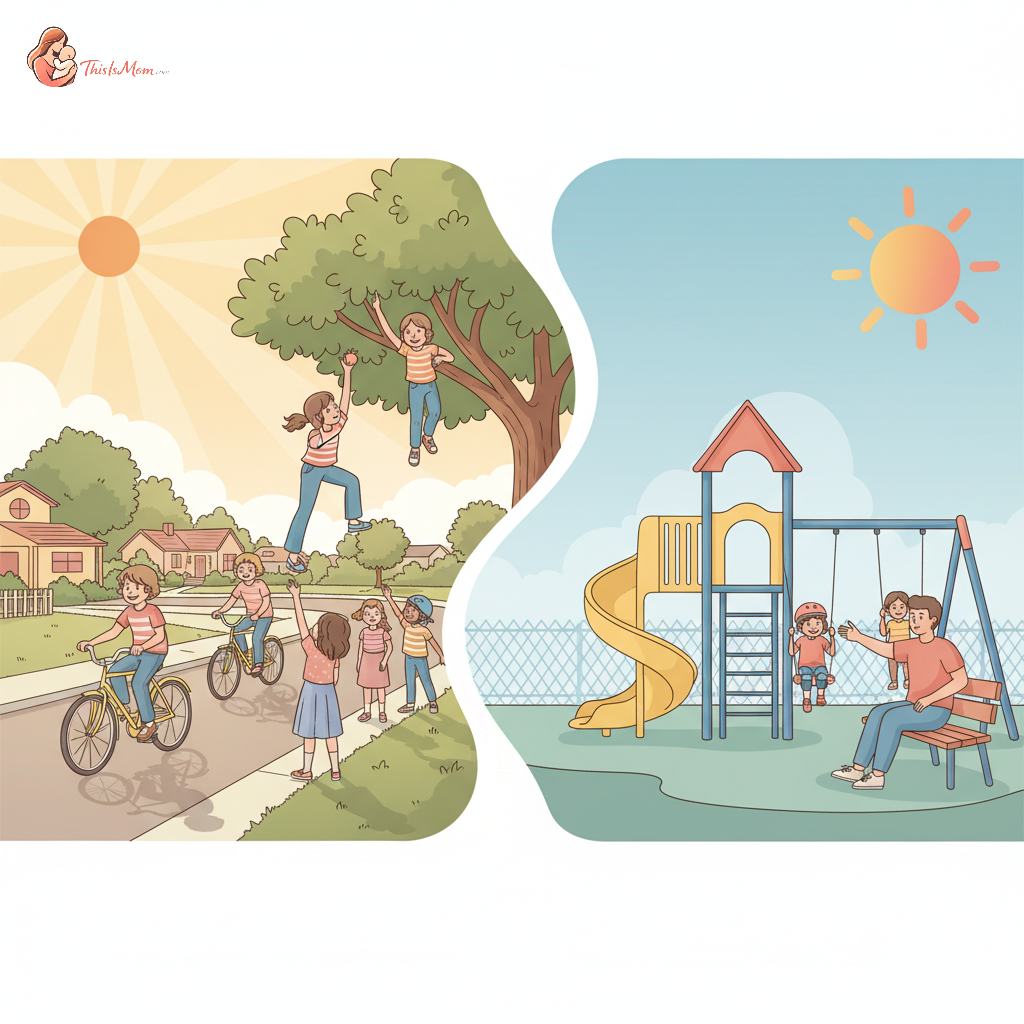
1970s Parenting Rules Today: What's Changed?
A 1970s childhood often conjures images of scraped knees from sidewalk adventures and the freedom to roam the neighborhood until dusk. But how do these widely accepted 1970s parenting rules stack up against our current understanding of child development and well-being? Parenting trends have evolved significantly, moving from a more authoritative and independent approach to one that emphasizes communication, safety, and tailored support. Understanding how parenting has changed is not about judging past generations, but about learning from historical practices to inform our modern parenting philosophy.
A Look Back at the 1970s: Simpler Times?
The 1970s were a period of shifting social landscapes, and parenting reflected some of these changes. Many practices that seem common now were less prevalent. Parental involvement, while present, was often viewed differently. The focus was on raising capable, independent children who could navigate the world with less direct oversight. This era's parenting advice often prioritized self-reliance above constant supervision.
Why Understanding Parenting History Matters
Looking at past parenting strategies helps us appreciate the progress made in our understanding of children's needs. It allows us to identify outdated advice that may have stemmed from different societal norms or limited scientific understanding. By contrasting parenting trends from the 1970s versus now, we can better equip ourselves with evidence-based approaches that support our children's optimal development.
Rule #1: Independent Play & Unsupervised Freedom (Then vs. Now)
In the 1970s, it was common for children to spend hours playing outdoors with minimal adult supervision. The neighborhood park or the woods behind the house was often the primary domain for childhood exploration. Parents assumed children would find their way home when it was time, fostering a strong sense of independence and resilience.
Kids Roaming Free: A Relic of the Past?
This level of unsupervised freedom is rare for most children today. Concerns about safety, traffic, and strangers have significantly altered the landscape of childhood independence. The emphasis has shifted from "letting kids be kids" in an open environment to structuring their play and ensuring physical safety.
Modern Perspectives on Child Safety and Supervision
Current guidelines from organizations like the American Academy of Pediatrics (AAP) emphasize the importance of balancing independence with safety. While fostering autonomy is crucial, research suggests that appropriate supervision is necessary to prevent accidents and ensure children are not put in harmful situations. This doesn't mean eliminating all risk, but rather managing it intelligently.
Finding a Balance: Fostering Independence Safely Today
Today, parents are encouraged to create opportunities for supervised exploration. This might involve playing in a fenced yard, going to a well-maintained playground with parental presence, or engaging in neighborhood activities with other families. The goal is to allow children to test their boundaries and develop problem-solving skills within a secure framework.
Rule #2: The 'Children Should Be Seen and Not Heard' Mentality
The adage "children should be seen and not heard" was a common expectation in many households during the 1970s. Children were often expected to be quiet and respectful, especially in the presence of adults; their opinions or feelings were not always actively sought or validated. Discipline tended to be more authoritarian.
Quiet Kids: How Discipline Looked Then
Discipline in the 1970s often involved stern reprimands and immediate obedience. The focus was on maintaining order and ensuring children adhered to rules without questioning them. Emotional expression from children was sometimes discouraged, as it could be perceived as defiance or disrespect.
The Rise of Respectful Parenting and Child-Centered Approaches
Modern parenting philosophy, supported by research, champions a more child-centered approach. This involves recognizing children as individuals with their own thoughts and feelings. The AAP, for instance, highlights the importance of communication and understanding in building a strong parent-child relationship.
Encouraging Open Communication and Emotional Intelligence
Today's guidelines advocate for creating an environment where children feel safe to express themselves. This means actively listening to their concerns, validating their emotions, and teaching them healthy ways to communicate their needs. Fostering emotional intelligence from an early age is seen as critical for their social and psychological development.
Rule #3: Food & Eating Habits: 'Clean Your Plate!'
"You must clean your plate" was a familiar refrain at 1970s dinner tables. The belief was that children should eat all the food offered to them, often regardless of their actual hunger cues. This approach aimed to ensure children received adequate nutrition and to prevent waste.
Mealtime Authority: Eating Without Question
Parents often held the authority at mealtimes, dictating what, when, and how much children should eat. The idea was to instill good eating habits through strict enforcement, sometimes leading to power struggles between parents and children over food.
Responsive Feeding and Intuitive Eating for Kids
Contemporary research promotes responsive feeding, a method that respects a child's internal hunger and fullness cues. The AAP and other health organizations suggest offering a variety of healthy foods and allowing children to decide how much to eat from what is offered. This approach aims to cultivate a positive relationship with food.
Navigating Picky Eaters With Modern Science (and Less Pressure)
Instead of forcing a clean plate, modern advice focuses on patience and consistent exposure to healthy options. Introducing new foods multiple times, offering them alongside familiar favorites, and avoiding pressure can help children expand their palates. The emphasis is on long-term healthy eating patterns rather than immediate compliance.
Rule #4: Sleep Training: Crying It Out From Day One?
The 1970s saw a rise in advice that encouraged parents to let infants cry themselves to sleep. The belief was that this would teach babies to self-soothe and establish independent sleeping habits early on, preventing what was then considered "spoiling."
Tough Love: Sleep Expectations of the Era
Sleep expectations were often rigid. Infants were frequently placed in their own rooms shortly after birth, and nighttime feedings were managed with a focus on quickly returning the baby to sleep. The goal was to establish predictable, uninterrupted sleep for the entire household as soon as possible.
Understanding Infant Sleep Cycles and Attachment Parenting
Discover your baby's phase
Modern research has illuminated the complexities of infant sleep and development. The AAP notes that newborns have different sleep patterns and that consistent, loving responses to their needs are crucial. Attachment parenting principles highlight the importance of parental responsiveness in building security and trust, which can positively influence sleep over time.
Contemporary Approaches to Gentle Sleep Guidance
Today, many pediatricians and sleep experts advocate for gentler sleep training methods. These approaches often involve gradual withdrawal of parental presence, comforting the baby without necessarily removing them from the crib, and ensuring that sleep routines are consistent and calming. The focus is on helping babies feel secure as they learn to fall asleep independently.
Rule #5: Physical Discipline: Spanking as a Standard
Corporal punishment, including spanking, was a widely accepted disciplinary tool in the 1970s. It was often seen as an effective way to correct misbehavior quickly and teach children boundaries and respect for authority. Many parents believed it was a necessary part of raising well-behaved children.
The Norm of Corporal Punishment
The prevailing attitude was that physical discipline was a normal and acceptable part of child-rearing. There was less public discourse about its potential negative long-term effects on children's behavior and emotional well-being.
The Shift Towards Positive Discipline and Non-Violent Communication
The evidence has shifted significantly. Major health and child development organizations, including the AAP, now strongly advise against spanking and other forms of corporal punishment. Research suggests it can lead to increased aggression, mental health problems, and a damaged parent-child relationship.
Effective Discipline Strategies for Today's Parents
Modern discipline strategies focus on teaching and guiding rather than punishing. This includes setting clear expectations, using natural and logical consequences, employing time-outs constructively, and engaging in positive reinforcement. The emphasis is on teaching self-control and problem-solving skills in a supportive manner.
Rule #6: Limited Involvement: 'Let Them Figure It Out'
Parenting in the 1970s often adopted a more hands-off approach. The idea was to let children develop their own problem-solving skills and resilience without excessive parental intervention. This "free-range" philosophy meant parents were less involved in mediating every childhood conflict or guiding every decision.
Hands-Off Parenting: Less Helicopter, More Freefall
This approach aimed to foster independence and self-reliance, preventing children from becoming overly dependent on their parents. The belief was that challenges would build character and that children would learn best by experiencing the natural consequences of their actions.
The Importance of Parental Engagement and Support
Today, the consensus among child development experts is that active parental engagement is vital. While children need opportunities to problem-solve, they also benefit immensely from knowing they have a secure base of support. The AAP emphasizes that parental involvement is key to a child's emotional, social, and academic development.
Building Resilience While Being Present
Parents are encouraged to be present and supportive without being overbearing. This means offering guidance when needed, helping children process difficult emotions, and celebrating their successes. The goal is to help children build resilience by equipping them with the skills and confidence to face challenges, knowing their parents are there for them.
Rule #7: 'Just Go Outside!': The Prescription for Everything
The phrase "just go outside" was often the go-to advice for parents dealing with boredom, restlessness, or even minor behavioral issues in the 1970s. Outdoor play was seen as a universal remedy for children's energy and a natural way to keep them occupied and out of trouble.
Outdoor Play as the Universal Solution
There's no doubt that outdoor play offers immense benefits, from physical health to cognitive development. In the 1970s, it was the primary form of recreation and was often seen as a cure-all for many childhood ailments, from grumpiness to excess energy.
Screen Time Debates and the Value of Diverse Activities
Today, children have a multitude of entertainment options, including extensive screen time. While screens can offer educational benefits, concerns about excessive use and its impact on development are prevalent. The AAP provides guidelines on screen time limits for different age groups, recommending a balance with other activities.
Prioritizing Outdoor Play in a Modern World
While outdoor play remains critically important, modern parents often need to be more intentional about incorporating it into their children's lives. Research continues to support the benefits of unstructured outdoor time for physical activity, creativity, and mental well-being. Making time for it, even with busy schedules, is a priority for many contemporary families.
Learning From the Past to Parent in the Present
Reflecting on 1970s parenting rules offers valuable insights. Some timeless principles, like encouraging independence and play, remain relevant. However, many practices have been superseded by evidence-based approaches that prioritize a child's emotional well-being, safety, and individual needs.
What Endures: Timeless Principles
The desire to raise capable, confident, and happy children is a constant across generations. Principles like fostering a strong family bond, encouraging curiosity, and teaching basic values still resonate deeply. The core intent of providing a nurturing environment remains paramount.
Embracing Progress: Evidence-Based Parenting Today
Modern parenting is increasingly informed by research in child development, psychology, and neuroscience. This allows us to approach challenges with more nuanced strategies that support healthy attachment, emotional regulation, and cognitive growth. We have a wealth of information at our fingertips, encouraging a more responsive and child-centered approach.