2-Year-Old Won't Stay in Toddler Bed? Gentle Solutions
Is your 2-year-old constantly getting out of their toddler bed? Discover gentle, consistent strategies to encourage them to stay in bed and improve sleep for the whole family.
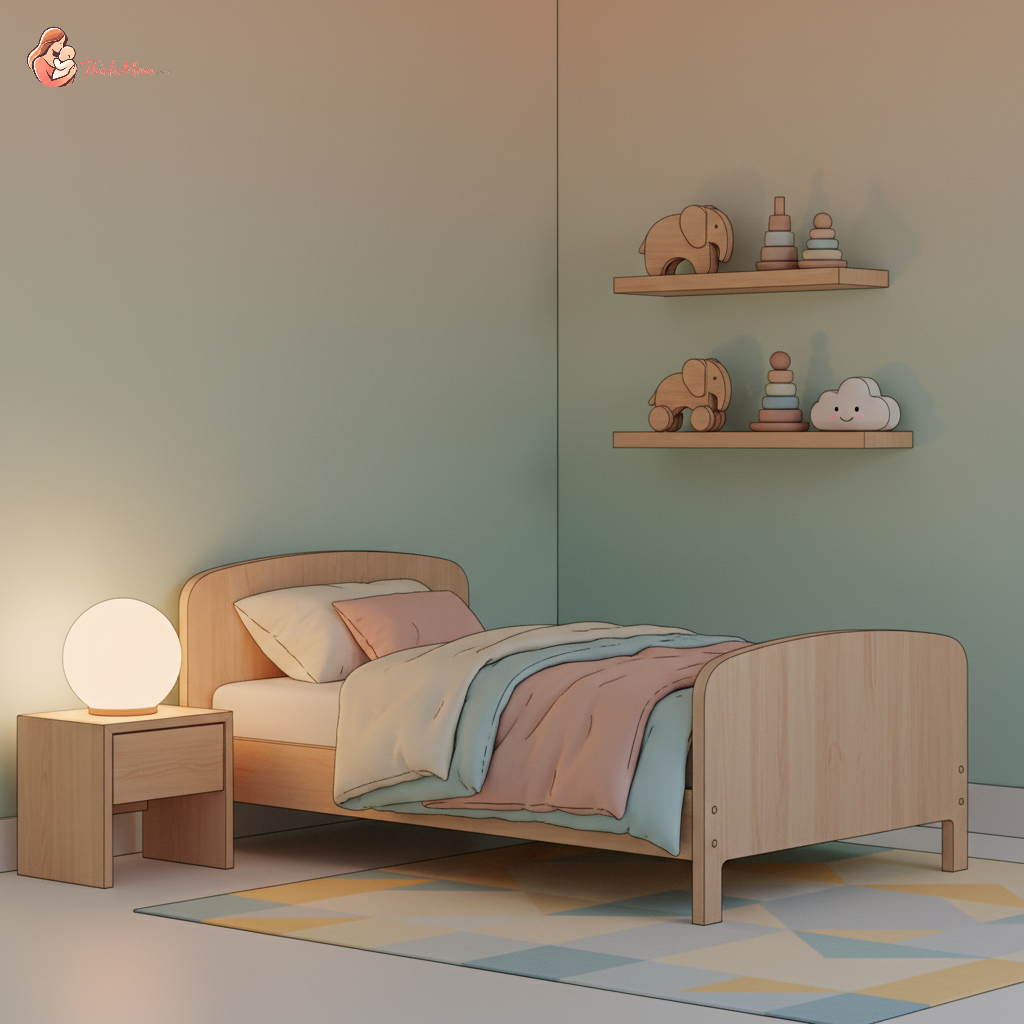
My 2-Year-Old Won't Stay in Bed After Moving to a Toddler Bed? Gentle Solutions
With my first child, I agonized over every sleep book imaginable during their toddler bed transition. By my fourth, when the same situation arose, I mostly just sighed, remembering it would pass. Looking back, the move to a toddler bed can feel like a monumental shift, and for many parents, it comes with a surprising nighttime challenge: my 2-year-old won't stay in bed after moving to a toddler bed. It’s a common hurdle, and the allure of newfound freedom seems to strike right around bedtime.
If I could tell my younger self one thing about those early toddler bed transition problems, it would be this: your child isn't trying to be difficult. They are simply exploring their world, testing boundaries, and asserting their independence. That big-kid bed, while exciting by day, can become a launchpad for nighttime adventures by night.
The Big Transition: When Freedom Meets the Four Walls
Suddenly, your little one has the ability to get out of bed on their own. This is a huge developmental leap! They are testing what happens when they push a boundary. Will you come? Will you bring a toy? Will you let them stay up? It’s less about defiance and more about exploration.
Developmental milestones at this age, like improved mobility and language, fuel these nighttime escapades. They might have thoughts, ideas, or just a sudden urge to play. This can make the toddler bed transition feel particularly intense. What you hoped would be a step towards more independence can feel like a step backward in sleep.
When the "big kid bed" isn't as appealing as you hoped for quiet nights, it’s easy to feel defeated. You might have envisioned peaceful evenings, but instead, you’re navigating multiple trips to the bedroom. This is normal, and it’s a phase that, while exhausting, is usually temporary.
Setting the Stage: Making the Bedroom Work for Sleep
The environment plays a huge role in how well your child settles. We want the bedroom to feel like a peaceful retreat, not a playground waiting for exploration. Keep toys in designated play areas and ensure the bedroom is primarily associated with sleep and quiet downtime.
Child-proofing takes on new importance with a bed they can get out of. Make sure furniture is secure, cords are out of reach, and any potentially hazardous items are stored away. This isn’t just about safety; it’s about giving you peace of mind so you can both relax at bedtime.
And then there's the cornerstone of all good sleep: a consistent bedtime routine. This is your anchor. It signals to your child that the day is winding down and sleep is approaching. This routine should be predictable and calming, perhaps involving a bath, a story, cuddles, and quiet songs. Sticking to it, even on weekends, helps immensely.
Gentle Tactics: Encouraging Them to Stay (and Go Back) to Bed
Discover your baby's phase
When your toddler makes their nightly trek out of bed, the key is calm consistency. The 'check-in' method is incredibly effective. When they appear, calmly escort them back to their bed. You can offer a brief, quiet reassurance – "It's bedtime, I love you, sleep tight" – and then leave. Avoid engaging in long conversations or bringing them into your bed, as this can inadvertently reinforce the behavior.
Positive reinforcement is powerful. Celebrate every little win. If they stay in bed for a whole hour, that’s amazing! Acknowledge it the next morning with specific praise: "You were so good at staying in your bed last night!" This helps build their confidence.
Be cautious with direct rewards. While the idea of sticker charts or small treats for staying in bed sounds appealing, it can sometimes backfire. It can turn sleep into a transaction and create pressure. Instead, focus on intrinsic motivation – the natural comfort of a good night’s sleep and the positive attention they receive for following the routine. The goal is to foster a love of sleep, not to bargain for it.
Communication & Connection: Daytime Strategies for Nighttime Success
Don't wait until bedtime to talk about the toddler bed. During the day, talk positively about their "big kid bed" and how exciting it is to have their own special space. Read books about bedtime and sleeping in one’s own room.
Address any fears or anxieties head-on. If monsters under the bed are a concern, try a "monster spray" (water in a spray bottle) or a special monster-repelling flashlight. For other anxieties, simply acknowledging their feelings and offering comfort can be enough. Sometimes, it's just a need for extra connection.
Ensure your child has plenty of physical activity during the day. But also, pay attention to the wind-down time before bed. Avoid stimulating activities, screens, or sugary snacks in the hour or two leading up to bedtime. This helps their bodies and minds prepare for sleep. This holistic approach tackles toddler bedtime routine help from multiple angles.
When to Ask for Help: Red Flags and Next Steps
It can be challenging to distinguish between typical toddler boundary-testing and a more significant sleep issue. If your child's sleep disruption is severe, impacting their daytime mood and functioning, or if you suspect underlying medical issues, it's always wise to consult your pediatrician. They can rule out things like sleep apnea or other medical conditions.
The most crucial element in navigating toddler bed transition problems is parental consistency. Even when you’re exhausted and tempted to give in, sticking to your plan is key. Your child is learning that the boundaries are firm and reliable. This consistency is the gentlest way to teach them about sleep expectations.
Remember, most pediatricians and sleep experts emphasize that these phases, including when your 2-year-old won't stay in a toddler bed, are usually temporary. The foundation you lay now – with a consistent routine, a safe environment, and calm, gentle guidance – will serve your child well as they grow.
The Long View
Looking back, I realize that so much of parenting toddlers is about finding a balance between setting boundaries and offering comfort. Your child isn't trying to make your life difficult; they are learning how to navigate the world and their own big emotions. Be patient with them, and more importantly, be patient with yourself. You've got this.