3-Year-Old Potty Training Regression After Vacation: Guide
Is your 3-year-old regressing in potty training after vacation? Learn common causes, how to spot the signs, and gentle steps to get them back on track with confidence.
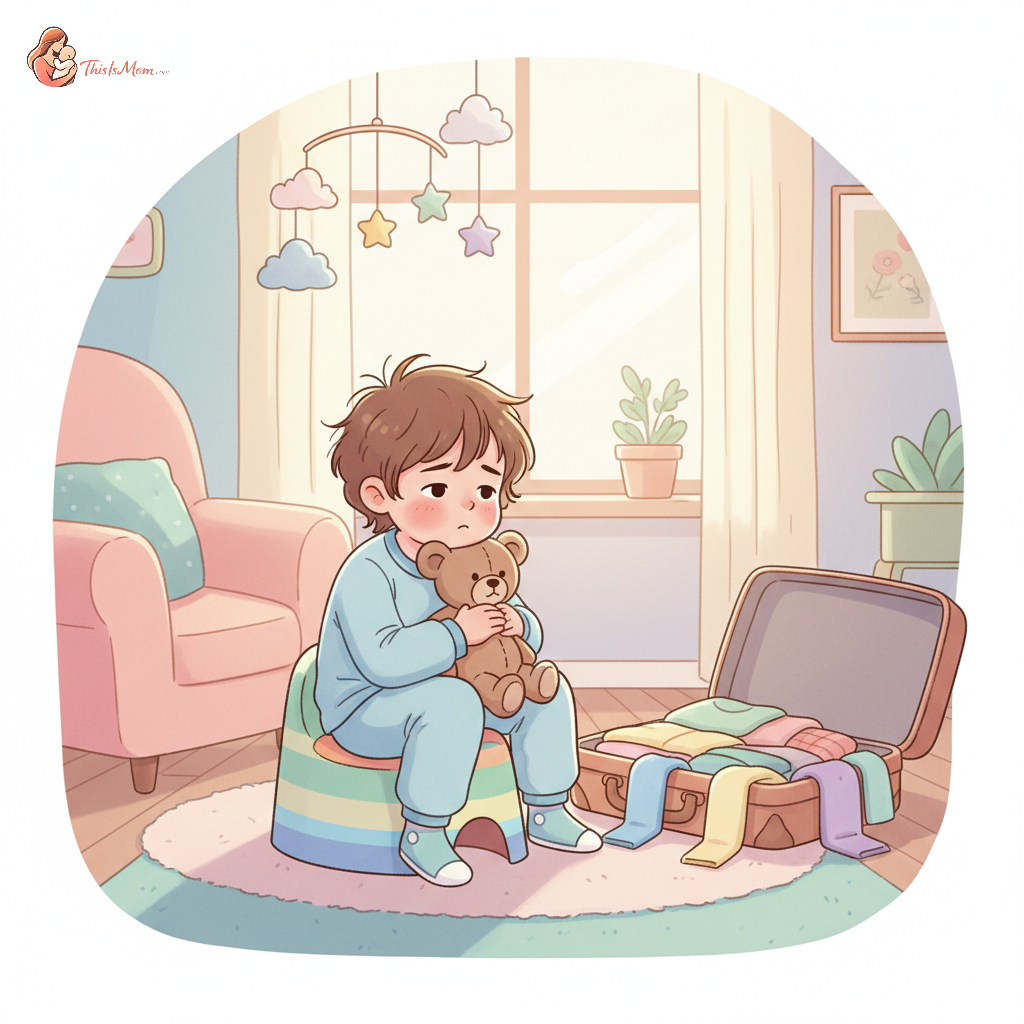
Potty Trained but Now What? Navigating Those Tricky 3-Year-Old Regressions After Vacation
With my first child, the thought of a vacation with a potty-trained child seemed like a victory lap. By my fourth, I learned that the finish line often has a few more hurdles. My youngest, perfectly happy using the big-kid toilet, suddenly seemed to forget everything after our week at the beach. The "accidents" started, then progressed to outright refusal. If you're asking, "What if my 3 year old regresses in potty training after vacation?" know you're not alone. This is incredibly common and, thankfully, very fixable.
Why Potty Training Regression Happens After a Trip
Looking back, it makes perfect sense. Vacations are a whirlwind for kids. New environments, unfamiliar bathrooms, disrupted sleep schedules, and a sheer overload of exciting new experiences can truly throw a little one off balance. Their focus shifts entirely from the routine task of remembering to go potty to the thrill of the moment.
Potty training isn't always a straight line; it's more like a squiggly one. Those moments of regression, especially after a significant change like travel, are simply a sign that your child's system is readjusting. Their newfound independence might take a temporary backseat to navigating the big, exciting world around them.
Routine is the bedrock for toddlers, and vacations are the ultimate routine disruptor. When your child’s predictable day is replaced with hotel stays, car rides, and constant new stimuli, their internal cues and habits can get temporarily muddled. It’s not defiance; it’s just their system reacting to change.
Spotting the Signs: Is it Really Regression?
It’s easy to panic and assume the worst the moment an accident happens. A single accident, or even two, can happen to any child, even a perfectly trained one.
Regression, however, tends to look different. You’ll notice a cluster of accidents within a short period. It’s not just the occasional slip; it's a noticeable step backward. You might see your child actively resisting the potty, crossing their legs, or even having accidents right in front of you with no signs of urgency.
The biggest indicator is often the sudden refusal to sit on the potty altogether. They might have been enthusiastic participants just days before, and now they’re digging their heels in, crying, or running away when you suggest it’s time to try. This is when you know you’re probably dealing with more than just a fluke.
How to Reverse Potty Training Regression: Gentle Steps at Home
The key here is to approach it with calm, consistent patience. Getting frustrated will only amplify your child’s anxiety and make the situation harder for everyone. Take a deep breath and remember: this too shall pass.
Start by re-establishing a predictable routine at home. Aim for consistent meal times, nap times, and bedtime. Gently reintroduce regular potty breaks, especially after waking, before leaving the house, and before bedtime. Don't force it; offer it as a natural part of the day, just like brushing teeth.
Discover your baby's phase
Positive reinforcement is your best friend. When they do use the potty, offer enthusiastic praise and a small reward if that’s something that worked for you initially. Think stickers, a special book to read on the potty, or extra playtime. Avoid any form of punishment for accidents. This can create shame and fear, which are counterproductive to potty training.
When frustrating moments arise, like a child repeatedly having accidents, try to remain neutral. Calmly say, "Accidents happen. Let's get you cleaned up and try again later." Keep the cleanup itself low-key. Avoid making a big deal out of it. The less attention an accident gets, the less appealing it becomes.
To Diapers or Not To Diapers? Navigating Backsliding
This is a significant question, and the answer depends on your child and the severity of the regression. If your child is having multiple accidents a day, seems genuinely distressed, or is showing extreme resistance, it might be beneficial to take a temporary step back.
Going back to pull-ups or even diapers for a short period can alleviate pressure and reduce anxiety for both of you. It allows your child to regain composure and confidence without the constant stress of "failing" at the potty. Think of it as a short pause, not a permanent retreat.
When you decide it’s time to re-introduce the potty, keep it low-pressure. Go back to the basics that worked before. Read potty books, talk about it positively, and offer frequent, low-stakes opportunities to try. The goal is to rebuild their confidence without the worry of an accident.
The important thing is to make this transition back feel like a natural progression, not a punishment. If you opt for diapers or pull-ups, make it clear that this is a temporary tool to help them feel more comfortable while their body and mind catch up.
Preventing Future Vacation Potty Setbacks
You’ve navigated the regression, and now you’re thinking about the next trip. How can you minimize the chances of this happening again? Preparation is key.
Before you travel, make sure your child is feeling confident and consistent with their potty habits. If they’ve recently had a regression, perhaps postpone a big trip until things are back on track. Talking about the upcoming vacation and how they’ll use the potty in new places can also be helpful.
Pack your travel potty or a seat insert if that’s something you use. Familiarity can be incredibly reassuring. Try to maintain some semblance of your home routine, even on vacation. Offer potty breaks at those key times: upon waking, before leaving the hotel room, after meals, and before bed.
And remember, consistency is the golden rule. Even with the fun distractions of travel, try to keep your potty expectations clear and positive. If accidents do happen, remember your previous lessons: stay calm, clean up, and encourage a return to the potty without shame.
The biggest lesson I've learned is that every phase, even frustrating ones like potty regressions, is temporary. It doesn't feel that way in the moment, but with a bit of grace for yourself and your child, you can gently guide them back on track. This is a marathon, not a sprint, and you've got this.