36 Weeks Pregnant with Second Baby: Normal Symptoms Guide
Explore normal 36-week pregnancy symptoms with your second baby. Understand why subsequent pregnancies feel unique, common discomforts, and key signs of labor.
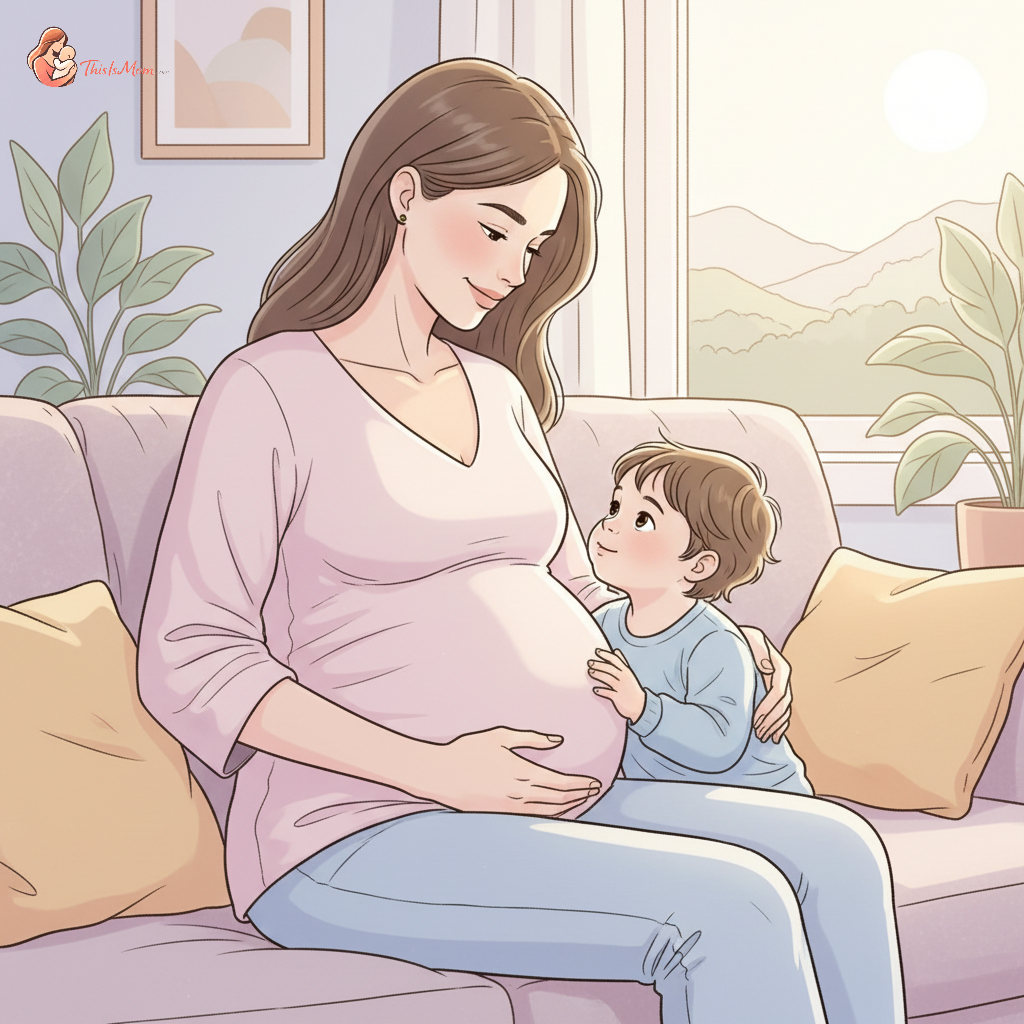
36 Weeks Pregnant with Baby #2: What Are Normal Symptoms?
It's completely normal to wonder if your second pregnancy feels – or even looks – different from your first, especially as you hit that 36-week mark. You're likely juggling your final to-do lists for baby's arrival while also managing the day-to-day demands of your first child. This phase is a unique blend of anticipation and exhaustion, and it’s natural to question what’s happening in your body as you get closer to meeting your new little one.
Why Subsequent Pregnancies Can Feel Unique
Many seasoned moms will tell you that subsequent pregnancies often come with a distinct set of experiences. One of the biggest factors is that your body has already gone through a pregnancy and birth before. Your pelvic floor muscles, ligaments, and uterus have been stretched and are generally more pliable. This means your baby might engage lower in your pelvis earlier, or you might experience a faster progression during labor.
Also, the "been there, done that" mindset plays a significant role. You’re likely more tuned into your body’s signals, but you might also be less inclined to stress over every twinge. You know what labor feels like, you've navigated the postpartum period, and there’s a certain confidence that comes with that. However, this also means you might be more aware of the physical strain of being pregnant while also caring for another child, making the end of your second pregnancy feel particularly demanding.
The Familiar & The New: Common 36-Week Symptoms
At 36 weeks pregnant with your second baby, you'll likely recognize many of the late-pregnancy symptoms, but some might feel intensified or appear sooner than they did the first time around.
Pelvic Pressure and Engagement: A Faster Descent?
One of the most commonly reported differences in second pregnancies is that the baby tends to drop lower into the pelvis earlier. This "lightning" can happen because your uterus has already been stretched, and your pelvic muscles are more relaxed. You might feel a significant increase in pelvic pressure around 36 weeks, making walking and sitting feel more cumbersome. While uncomfortable, it often means baby is getting into position for birth. This early engagement is a very typical symptom for a 36 weeks pregnant baby drop second pregnancy, and it can sometimes feel more pronounced than in a first pregnancy.
Braxton Hicks: Stronger and More Frequent?
Those practice contractions, often called Braxton Hicks, can sometimes feel more intense and frequent with subsequent pregnancies. Your body is simply much more practiced at this whole process. What might have been subtle tightenings the first time around could now feel like more robust contractions. It’s important to remember that while they can be uncomfortable and might even be regular for a time, they don't typically lead to cervical change. However, their intensity can often lead to questions about whether labor has truly begun, especially when you're looking after another little one.
Fatigue Levels: Juggling Family Life
While fatigue is a hallmark of late pregnancy, it can feel especially profound when you’re chasing a toddler or young child. The physical demands of pregnancy combined with the constant energy output required to care for another child can leave you feeling utterly depleted. You might find yourself more tired than you were at this stage with your first, simply because your capacity is divided. This is a common experience, leading to overwhelming fatigue during a second pregnancy late symptom.
Swelling and Discomfort: Managing the End Game
Swelling (edema) in your hands, feet, and ankles is common in late pregnancy, and it can persist or even worsen as you approach your due date. Fluid retention is part of the package, but the added physical strain of carrying a second child, potentially while lifting your older one, can exacerbate discomfort. Backaches, hip pain, and general aches are also par for the course. Managing these late-pregnancy discomforts, especially when you can't always put your feet up, is a significant part of the 36 weeks pregnant symptoms second baby experience.
Signs of Labor: Are You Overthinking Them?
One of the trickiest parts of late pregnancy, especially with your second baby, is discerning true labor from the many other sensations your body is experiencing.
Distinguishing Real Labor from Practice Contractions
This is where that "been there, done that" knowledge is both a blessing and a curse. You know what contractions feel like, but you also know how convincing Braxton Hicks can be. Generally, true labor contractions will become progressively stronger, closer together, and more regular. They often feel like a tightening that starts in your back and wraps around to your front, and they don't stop or ease up with rest or a change in position. If you're experiencing regular, powerful contractions, it’s a good time to connect with your care provider.
Discover your baby's phase
Mucus Plug and Bloody Show: What to Expect Again
Losing your mucus plug is a sign that your cervix is beginning to change. It might come out all at once or gradually over a few days, and it can be clear, pinkish, or tinged with blood. The "bloody show" is vaginal discharge that contains streaks of blood, often accompanying the loss of the mucus plug. For a second pregnancy, these signs might appear earlier or more suddenly than you recall. They indicate that labor is approaching, but they don’t necessarily mean it’s imminent. These are key second pregnancy late symptoms to watch out for, indicating your body is gearing up.
When to Call Your Doctor at 36 Weeks Pregnant
Knowing when to reach out to your OB or midwife is crucial, even when you feel you have a good handle on things.
Urgent Maternal Warning Signs
While you're likely familiar with the signs of labor, it's also vital to be aware of warning signs that require immediate medical attention. These aren't specific to a second pregnancy but are crucial for any pregnant person. They include:
- Severe headache that doesn't go away.
- Sudden swelling in your face or hands.
- Unusual abdominal pain.
- Decreased or absent fetal movement.
- Vaginal bleeding that is heavier than spotting.
- Fever or chills.
- Sudden gush of fluid from your vagina.
These symptoms require prompt evaluation by your healthcare provider.
Trusting Your Instincts During Your Second Time Around
Having navigated pregnancy before can give you a great sense of your body. Use that confidence, but also remember that every pregnancy is unique. If something feels off, even if it doesn’t fit a textbook description, trust your gut. You are the expert on your body, and if you feel concerned or unsure, it is always the right time to call your doctor or midwife. Don't hesitate to seek reassurance or guidance when you need it.
Embracing the Final Weeks: Tips for Your Second Baby
The last few weeks of pregnancy with your second can feel like a whirlwind, but there are ways to make the most of this time.
Nesting with a Toddler in Tow
The nesting instinct can hit hard, but doing it with a toddler can add a new layer of challenge. Instead of deep-cleaning the entire house, focus on smaller, manageable tasks. Prepare the baby's clothes and diapers, set up the nursery space in phases, and ensure essentials are easily accessible. Involve your older child in simple preparations where appropriate – like picking out a soft blanket or placing a toy in the baby's crib. This can help them feel included.
Prioritizing Rest and Self-Care
This is easier said than done, especially with a demanding toddler. However, even small pockets of rest can make a difference. Nap when your child naps, even if it's just for 20 minutes. Accept help from your partner, family, or friends for childcare so you can have some downtime or even just a quiet shower. Hydration and nourishing food are also key to managing your energy levels. Remember, you’re growing a human and recovering from birth – your body needs support.
Preparing Your Older Child for the New Arrival
Talking about the baby’s arrival with your older child is essential. Explain in simple terms what a baby needs and how life will change, but also emphasize that your love for them remains the same. Read books about new siblings, and consider creating a special gift from the baby to your older child. The transition will have its moments, but as you know from your first experience, you will navigate it with love and patience.
As you stand on the cusp of meeting your new baby, remember all that you’ve accomplished and all that you’re capable of. Your body has carried you through this pregnancy, and you're about to embark on this beautiful, messy, and transformative journey again. Trust yourself, honor your body, and know that you are fully equipped for whatever comes next. You've got this, mama.