90s Parenting Style: Benefits, Drawbacks & Modern Balance
Explore the nostalgic 90s parenting style, uncovering its core benefits like independence and creativity, alongside crucial drawbacks. Learn how to blend its wisdom with modern safety for your kids.
Lessons from the '90s: What a Modern Mom Learned About Parenting Style
With my first child, I meticulously planned every minute of her day, convinced that structured activities and early academic enrichment were the golden ticket. By my fourth, I’d learned that some of the most profound childhood lessons happened when the schedule was empty and the closest thing to a learning tool was a bike with a wobbly training wheel. Looking back, I can appreciate the benefits of a '90s parenting style, particularly its emphasis on letting kids be kids. It’s a conversation worth having today, especially as we navigate the complexities of modern childhood and consider the '90s parenting style benefits and drawbacks.
What Defined '90s Parenting? A Trip Down Memory Lane
If you grew up in the 90s, chances are your childhood looked a little different from what many kids experience today. The defining characteristic for me was a general sense of less oversight, not out of neglect, but out of a different societal norm regarding childhood independence.
There was far less emphasis on structured activities. Playdates usually meant kids showing up at each other's houses and figuring out what to do. Soccer practice was a thing, but it was often one sport a season, not year-round commitments.
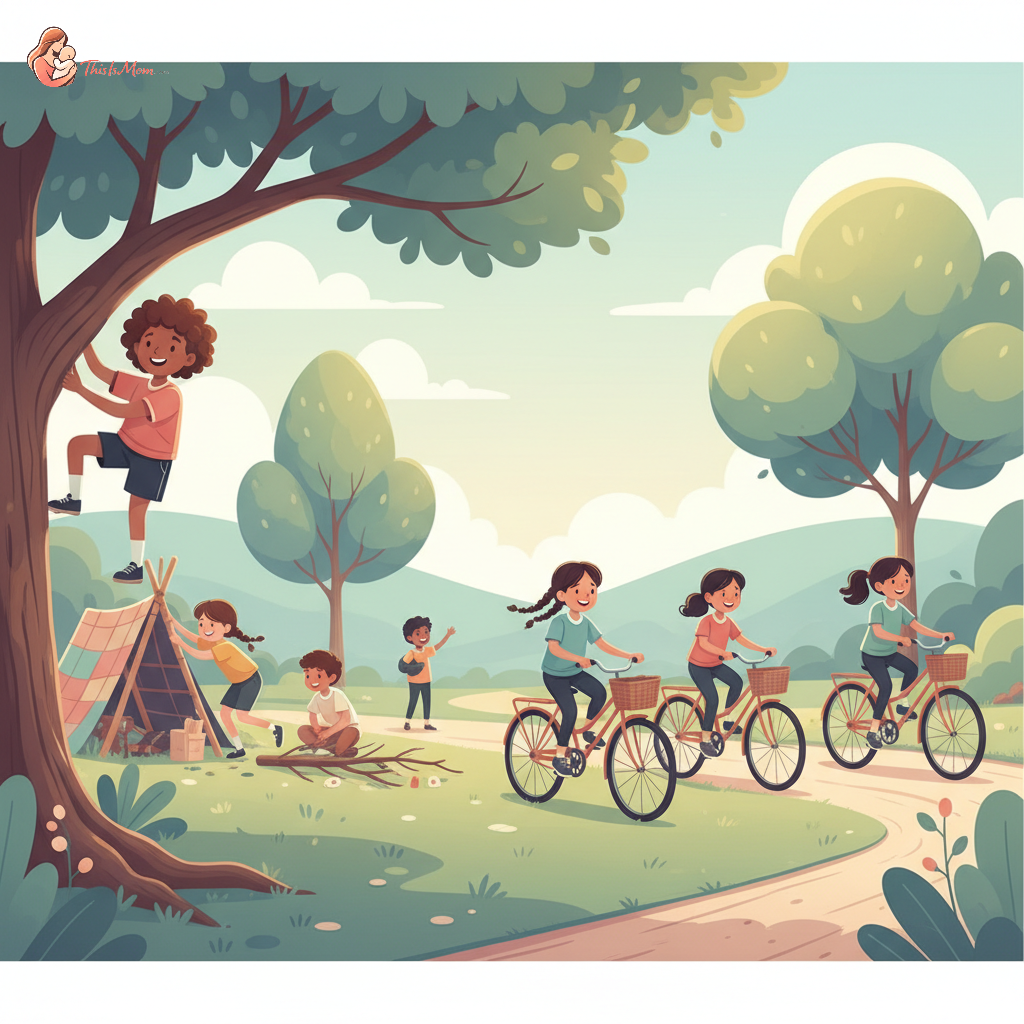
Outdoor and independent play was the default. We rode bikes around the neighborhood until the streetlights came on, built forts in the woods, and invented elaborate games in our backyards. The world felt bigger, and our own initiative was the primary driver of our entertainment. This is key to understanding how to encourage-independent-play-clingy-toddler.
And then there was technology. When tech was simpler, it meant delayed tech adoption. Video games were an occasional treat, not a constant companion. The internet was a dial-up novelty, and cell phones were for emergencies. This naturally limited screen-free-alternatives-waiting-rooms-toddlers in a way that feels almost mythical now.
The Perks: Benefits of a '90s Approach to Raising Kids
In hindsight, many of the hallmarks of that era fostered skills that are incredibly valuable today. It wasn’t perfect, but there was a lot to appreciate.
- Fostering Independence and Problem-Solving: When you’re left to your own devices, you learn to figure things out. If a game wasn’t fun, you changed it. If you had a disagreement with a friend, you worked it out. These were foundational skills for navigating life.
- Encouraging Creativity: Without a prescribed narrative or a facilitator, kids had to invent their own stories, build their own worlds, and generate their own fun. This is where imagination truly flourishes.
- Building Resilience and Risk Assessment Skills: Skinning a knee while climbing a tree or navigating a tricky path in the woods taught us about our physical limits and how to bounce back from minor setbacks. This is a core component of free-range parenting 90s style.
Discover your baby's phase
The Pitfalls: Drawbacks and Why Some '90s Habits Don't Translate
Now, looking back, it's crucial to acknowledge that the world has changed, and some practices from the 90s require careful re-evaluation for today's families. Safety, in particular, is a much larger concern for many parents. While independence is vital, the realities of neighborhood safety, traffic, and stranger danger are different now than they were. What felt safe for us on our block might not feel the same for our children today. Constant connectivity of social media means that social comparisons and pressures can be more intense and pervasive than ever before.
- Safety Concerns of Unsupervised Play: While independence is vital, the realities of neighborhood safety, traffic, and stranger danger are different now than they were. What felt safe for us on our block might not feel the same for our children today.
- Impact of 'Phubbing' (Phone Snubbing): We didn't have adult smartphones to distract us back then. Today, parents are often glued to their devices, which can detract from their availability and connection with their children, a stark contrast to the uninterrupted attention many 90s kids received during playtime.
- Navigating Peer Pressure and Changing Social Dynamics: While peer pressure always existed, the constant connectivity of social media means that social comparisons and pressures can be more intense and pervasive than ever before.
Retro vs. Modern: Finding Your Balance Today
The goal isn't to replicate the past perfectly, but to draw wisdom from it and adapt it for our current reality. It's about finding your own equilibrium.
- Incorporating '90s Free Play with Modern Safety: Perhaps it's defining clear boundaries for where kids can play, ensuring they have a working cell phone for communication, or checking in more frequently. It’s about active supervision that allows for independence.
- Setting Healthy Tech Boundaries in a Connected World: This involves establishing screen time limits, creating tech-free zones (like bedrooms and dinner tables), and modeling responsible tech use ourselves. Minimizing screen time kids are exposed to starts at home. This is essential guidance that complements
pediatrician-screen-time-limits-2-year-old-guide. - Knowing When to Lean into Independence vs. Provide Support: This is a fluid balance. If your child is struggling with a friendship issue that feels beyond their capacity, your guidance is needed. But if they’re trying to build a fort, let them try, fail, and rebuild. If you are concerned about your child's development, it is always a good idea to
assess-toddler-fine-motor-skills-household-items.
Here are some practical takeaways for balancing the old and the new:
- Embrace unstructured play: Schedule downtime. Don't feel the need to fill every moment with an organized activity.
- Prioritize outdoor time: Make it a non-negotiable part of the week, even if it's just an hour in the park.
- Set tech rules together: Involve older kids in creating screen time guidelines to foster buy-in.
- Model good behavior: Be present when you're with your kids. Put the phone down more often than you pick it up.
- Encourage self-sufficiency: Let kids do things for themselves, even if it takes longer or isn't done perfectly.
- Don't overschedule: Kids need boredom to spark creativity and self-direction. Remember that even in childcare,
dependent-care-fsa-before-after-school-care-guidecan help with costs. - Trust your gut: While external advice is helpful, your intuition about your child is your best guide.
Talking to Your Pediatrician: Always Your North Star
No matter what parenting philosophies you explore, your pediatrician is an invaluable resource. They can offer guidance on age-appropriate safety measures, developmental milestones, and help you navigate concerns about your child's well-being in the context of modern life. They can offer insights on everything from screen time recommendations to sleep habits, ensuring you're making informed decisions aligned with your child's health and development. For example, understanding overtired-vs-undertired-baby-nap-signs-solutions is crucial for healthy development.
Ultimately, the parenting style of the '90s offered some potent lessons in fostering capable, resilient children. By thoughtfully blending its emphasis on independence and unstructured time with today's necessary awareness and safeguards, we can help our kids thrive in more ways than one. Give yourself grace; you’re doing the best you can with the information and resources you have, just like we all were back then.