Activities for 2-Year-Old Hitting Siblings When Frustrated
Discover effective activities and gentle strategies to help your 2-year-old manage frustration and stop hitting siblings. Learn how to redirect energy and foster positive communication.
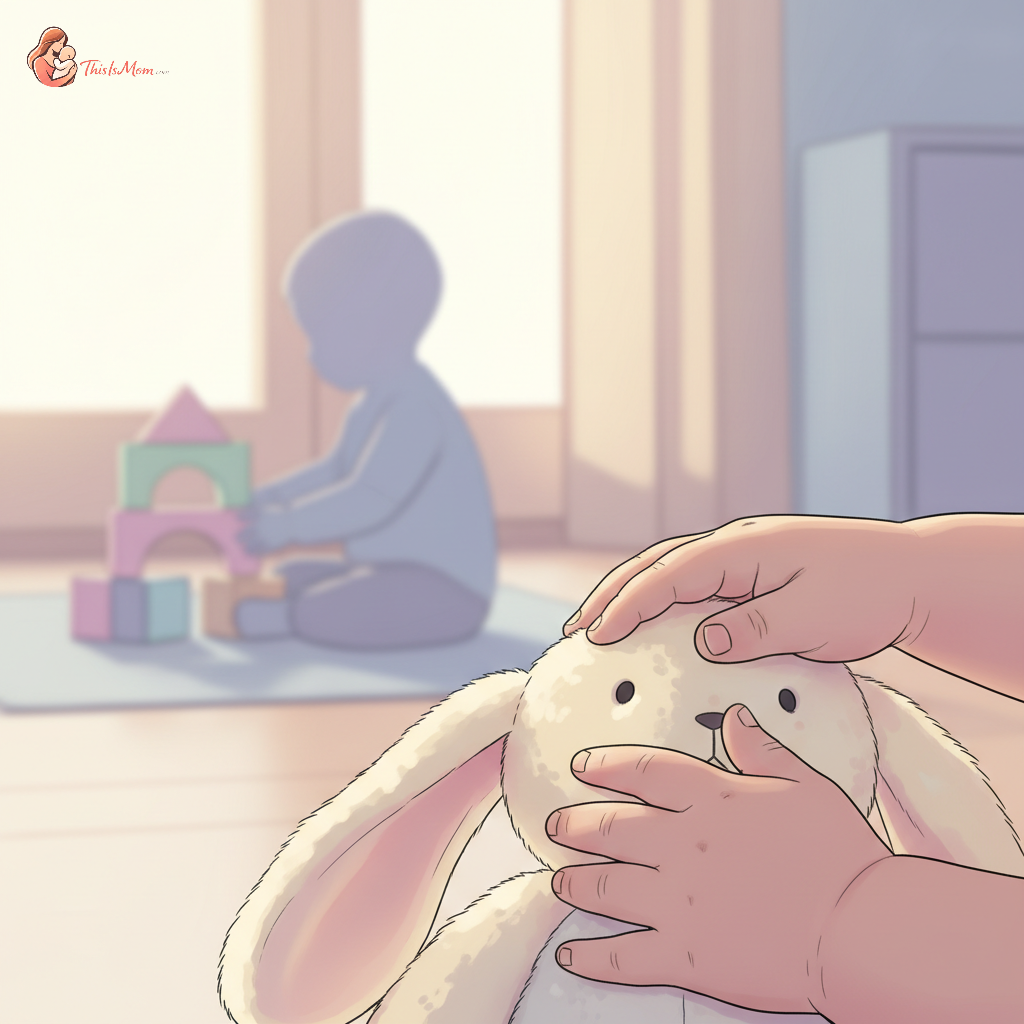
Redirecting Tiny Fists: Activities for 2-Year-Olds Hitting Siblings When Frustrated
With my first child, I'd rush in with anxious words and immediate time-outs whenever a little hand swung out in frustration. By my fourth, I've learned to breathe, observe, and trust the process. Looking back, the most effective tools weren't punishments, but understanding and redirection. If I could tell my younger self one thing about navigating those toddler squabbles, it would be this: gentleness, consistency, and practical activities are your secret weapons. This phase, while intense, truly does pass.
The Rumble Underneath: Why Your 2-Year-Old Hits When Frustrated
Is it normal for a 2-year-old to hit when frustrated? The short answer is yes, it's incredibly common. Their language skills are just catching up to their big emotions, and sometimes, a hand is the quickest way they know to communicate "I don't like this!" or "I want that!" It's not malice; it’s often a developmental hiccup.
Common triggers for toddler aggression with siblings are usually rooted in shared resources and proximity. A snatched toy, being bumped, feeling ignored, or simply being overstimulated can all send a tiny human into meltdown mode. This is often when we see "toddler hitting siblings solutions" become a pressing need. Remember, they are still learning to navigate social dynamics and manage their impulses.
Riding the Wave: What to Do in the Moment When Hitting Happens
When the inevitable happens, and a sibling clash erupts, your first priority is safety. Gently but firmly intervene. Separate the children if necessary to give everyone space to calm down. This isn't about punishment in the heat of the moment, but about creating a secure environment.
This is a prime opportunity for connection, even amidst frustration. Once everyone’s physically safe, you can start validating feelings. "I see you're really angry that Leo took your block." This doesn't mean you condone the hitting, but you acknowledge their emotion. Then, set your boundary: "It's okay to be angry, but it's not okay to hit." This is a delicate balance in finding "toddler hitting siblings solutions" without resorting to harsh discipline.
A common discipline pitfall is to react with your own frustration or to deliver a lengthy lecture. Toddlers have short attention spans and are not ready for complex reasoning. Instead of lengthy punishments, focus on immediate, simple boundaries and then move towards teaching alternatives. This is where "gentle discipline for toddler hitting" comes into play.
Calm and Channel: Activities for 2 Year Old Hitting Siblings When Frustrated
Once the immediate storm has passed, it's time to channel that energy constructively. These activities are designed to help your 2-year-old release big emotions and learn to manage their frustration in healthy ways.
Energy-Releasing Activities for Big Emotions
- Pillow Pounding: Keep a stack of sturdy pillows handy. Encourage your child to "pound out their mad." This gives a physical outlet for aggression without harm.
- Crinkle Paper Smash: Provide old newspapers or craft paper and let them rip and scrunch it up with all their might. The sound and tactile experience can be incredibly satisfying.
- Dance Party Burst: Put on some upbeat music and have a spontaneous dance-off. Let them jump, stomp, and shake it out. This is a fantastic way to shift mood and burn excess energy.
Sensory Play to Soothe Overwhelming Feelings
Sensory bins are gold for toddlers. They provide a safe, absorbing way to process emotions.
- Water Play: Buckets, cups, and toys in a shallow water table or bin can be incredibly calming. The repetitive motion of pouring and splashing is mesmerizing.
- Play-Doh or Cloud Dough: The tactile experience of squishing, rolling, and molding can be very grounding. Add some small toys for them to bury and find.
- Kinetic Sand: This unique sand holds its shape and is wonderfully satisfying to manipulate. It's a contained, calming sensory experience.
- Sensory Bottles: Create calm-down jars filled with glitter, water, and small objects. Shaking and watching them swirl can be a mindful, soothing activity.
Role-Playing and Social-Emotional Learning Games
These games help them understand social cues and practice appropriate responses in a safe, lighthearted way. This is key for addressing "toddler aggression siblings."
- "Gentle Hands" Game: Pretend to be a baby animal that needs gentle touches. Have your child practice stroking and petting you without being too rough.
- Sharing Practice Dolls: Use stuffed animals or dolls to act out scenarios where one 'takes' something from the other. Then, model asking nicely or waiting for a turn.
- "Feeling Faces" Charades: Make different facial expressions showing emotions like happy, sad, angry, and surprised. Have your child guess the feeling.
Building Proactive Skills: Teaching Alternatives to Hitting
Discover your baby's phase
The goal is to get your 2-year-old to stop hitting a sibling when frustrated by equipping them with better tools. This means focusing on communication and teaching new behaviors.
Focus on Communication!
Encourage simple, verbal expressions of feeling. Even if they only have a few words, help them use them.
- "Mine!"
- "Stop!"
- "My turn!"
- "Sad" or "Mad"
When they use these words, even imperfectly, acknowledge and praise them. "You told Leo 'Mine!' That was a good way to use your words." This positive reinforcement is crucial.
Modeling Appropriate Reactions Ourselves
This is perhaps the hardest, yet most important. Our children are watching us. When we get frustrated, how do we react? Do we yell? Do we slam doors? Try to show them how you manage your own big feelings.
"Mommy is feeling a little frustrated right now because I can't find my keys. I'm going to take a few deep breaths." This models self-regulation for them.
Teaching 'Safe Hands' and Gentle Touch
This is a concept that needs consistent practice.
- Demonstration: Show them what gentle touch looks like. "Hands are for hugging, for helping, for petting the dog gently."
- Positive Practice: When you see them interacting positively with a sibling, point it out. "I love how you're sharing your blocks with your sister. Your hands are being so kind."
- Redirection: If a hand starts to move towards a sibling inappropriately, gently guide their hand to their own leg or a pillow. "Hands down, please."
Long-Term Strategies for a More Harmonious Home
Creating an environment that supports emotional development is key to reducing instances of hitting and fostering positive sibling dynamics.
Creating a 'Frustration Station' or Calming Corner
Designate a small, cozy space in your home where your child can go when they feel overwhelmed. Equip it with soft pillows, books, sensory toys, and perhaps a visual cue card of emotions. It's a safe haven, not a punishment zone, where they can learn to self-soothe.
Ensuring Adequate Sleep and Stimulation
Underlying issues like fatigue or boredom can significantly contribute to irritability and frustration. Make sure your child is getting enough sleep – this is non-negotiable for mood regulation. Also, ensure they have age-appropriate stimulation and opportunities to play independently and with siblings without constant pressure. Sometimes, "toddler aggression siblings" is simply a sign they need more engaged playtime or a change of scenery.
When to Call in Professional Support
While hitting is a normal part of toddler development, there are times when seeking professional guidance is wise. If the aggression is very frequent, intense, involves biting or injuring others, or persists beyond the toddler years despite consistent redirection, it might be beneficial to consult your pediatrician or a child development specialist. They can help rule out any underlying issues and offer tailored strategies.
Navigating these years is a marathon, not a sprint. There will be days that feel like a constant cycle of redirection and gentle correction. It's in those moments, when you’re feeling utterly drained, to offer yourself grace. You are doing a remarkable job, guiding tiny humans through a complex world of emotions. Keep connecting, keep modeling, and remember that this too shall pass, leaving you with stronger, more resilient little people.