Affordable Therapy for Postpartum Anxiety (No Insurance)
Find affordable therapy for postpartum anxiety without insurance in the US. Discover low-cost options, free resources, and essential support channels for new moms.
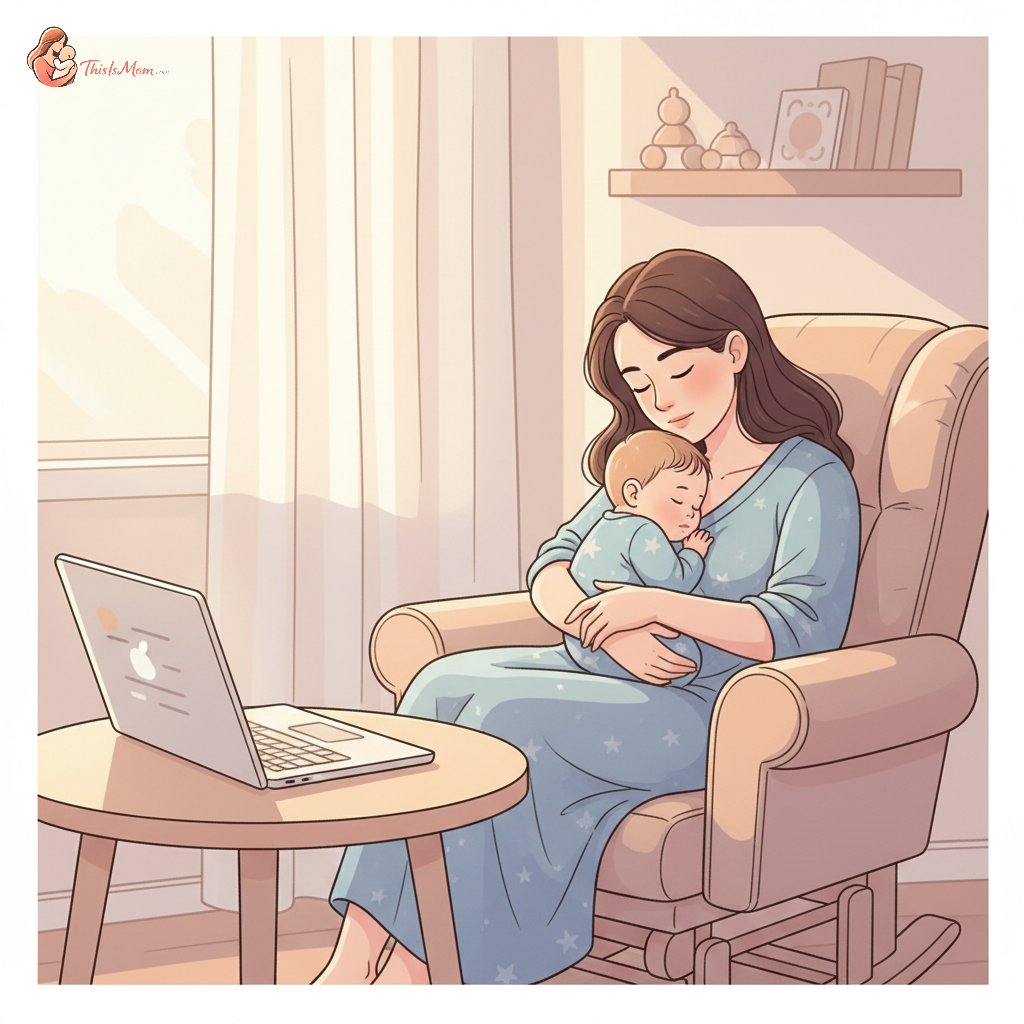
Finding Affordable Therapy for Postpartum Anxiety Without Insurance: A First-Time Mom's Guide
It was 2:00 AM. Noah was finally asleep, his little chest rising and falling rhythmically beside me. But my own heart was pounding like a drum solo. Every creak of the apartment building, every whisper of wind outside, sent a jolt of pure panic through me. Is he breathing? Is that a fever? Did I lock the door? What if…
These "what ifs" were relentless, a constant hum of dread beneath the surface of my new motherhood. I’d heard of postpartum depression, but this relentless, churning anxiety felt different – a constant tightrope walk over an abyss of imagined disasters. If you’re in this boat, staring at your sleeping baby with a heart full of worry and no idea how to find affordable therapy for postpartum anxiety without insurance, I see you. You’re not alone.
The Anxiety Monster Under the Crib
Let's be real: becoming a mom is a seismic shift. Your body is healing, your sleep is nonexistent, and suddenly you're solely responsible for a tiny human who depends on you for absolutely everything. It’s a lot. And for many of us, that "lot" manifests as postpartum anxiety.
What PPA Is Like
Postpartum anxiety (PPA) can show up in many ways. It’s not just worrying about your baby, though that’s a big part of it. It’s also the racing thoughts, the physical symptoms like a racing heart or shortness of breath, the inability to relax, and the overwhelming sense of dread that something terrible is about to happen.
You might find yourself checking on your baby constantly, rereading every parenting book or website a dozen times, or having intrusive thoughts that terrify you. It can feel like your brain is permanently stuck on high alert.
Why PPA Is So Common (and Not Your Fault)
Here's the truth: PPA is incredibly common. Hormonal shifts, sheer exhaustion, massive life changes, and societal pressure to be a "perfect" mom all contribute. It’s a perfect storm, and it’s nobody’s fault. Not yours, not your partner’s, not anyone’s.
It’s your brain and body adjusting to an immense new reality. You didn’t do anything wrong to end up here.
The Importance of Seeking Support Early
I know, I know. When you’re deep in the trenches of PPA, the idea of finding help feels like another impossible task. But the sooner you can get some support, the sooner you can start to feel like yourself again. Even small steps can make a big difference.
Your Options: Low-Cost & Free Therapy Resources in the US
When you don’t have insurance, or your insurance has gaps, the thought of therapy can feel like a luxury you just can't afford. But there are absolutely ways to find postpartum anxiety support without insurance in the US. It just takes a little digging.
Community Mental Health Clinics
These clinics are often funded by state or local governments and are designed to serve the community. Many operate on a sliding scale based on your income. This means they'll adjust their fees to what you can realistically afford.
They are a fantastic resource for low-cost PPA treatment. Don't be afraid to call your local county health department and ask about mental health services for new mothers.
Sliding Scale Therapists
Many private practice therapists understand that not everyone has robust insurance. They offer sliding scale therapy postpartum services. This is where they'll lower their standard session fee based on your financial situation.
Finding these providers often involves a bit of searching. Online directories like Psychology Today allow you to filter by therapists who offer sliding scales. You can also look for therapists who specialize in perinatal mental health.
Training Clinics & University Programs
Did you know that universities with psychology or counseling programs often have training clinics? These clinics offer services to the public at significantly reduced rates. The sessions are typically conducted by graduate students who are supervised by experienced, licensed professionals.
It’s a great way to get quality care while supporting future therapists. Just look up universities in your area and see if they have a psychology clinic.
Online Therapy Platforms with Affordable Options
The rise of telehealth has opened up many doors. Some online therapy platforms offer more affordable subscription models compared to traditional in-person therapy.
Platforms like BetterHelp or Talkspace can be more affordable, but it's crucial to compare their pricing structures carefully. Some may still be out of reach, but others offer options that might fit your budget, especially for PPA resources in the US. Always read the fine print and understand what's included.
Beyond Individual Therapy: Other Vital Support Channels
While individual therapy is incredibly valuable, it's not the only path to feeling better. There are other amazing resources available that can provide crucial support.
Non-Profit Organizations
Organizations like Postpartum Support International (PSI) are lifelines. PSI offers a wealth of information, connects you with local support groups, and has a helpline you can call. They are dedicated to helping mothers find the postpartum anxiety support they need, often with resources that are free or low-cost.
Many local chapters also exist, offering community-based support.
Discover your baby's phase
Support Groups (In-person and Virtual)
There is profound power in knowing you’re not the only one. Joining a support group, whether it's in-person at a local hospital or community center, or a virtual one online, can be incredibly validating.
You can share your experiences, hear from others, and realize that your struggles are shared. This is often a free or very low-cost option.
Peer Support Programs
Sometimes, what you need most is to talk to someone who has been there. Peer support programs connect you with other moms who have experienced PPA or postpartum depression. They offer understanding and empathy in a way that professional help sometimes can't.
These programs are often run by non-profits and are usually free.
Free Crisis Hotlines and Warm Lines
If you are in crisis and need immediate support, don't hesitate to reach out to a crisis hotline. These are available 24/7 and can provide immediate, confidential support.
For less urgent, but still overwhelming feelings, "warm lines" offer a listening ear. These are non-crisis lines staffed by trained individuals who can offer emotional support and connect you with resources.
Navigating the Search: Practical Tips for Finding Help
Okay, so you know where to look. Now, how do you actually find the right person or resource? It can feel like a daunting task, but taking it step-by-step makes it manageable.
What Questions to Ask Potential Providers
When you connect with a therapist or clinic, don't be shy! Ask about:
- Their experience with perinatal mental health.
- Their therapeutic approach.
- Their fees and if they offer a sliding scale.
- Their availability (especially if you need evening or weekend appointments).
- What you can expect in a typical session.
Advocating for Yourself: Don't Give Up
This is crucial. You might have to make a few calls. You might not connect with the first person you speak to. That's okay. Your mental health is worth the effort. Your feelings are valid, and you deserve support. Keep reaching out until you find a good fit.
Leveraging Technology: Telehealth and Apps
As mentioned, telehealth can be a game-changer, especially for busy moms who find it hard to leave the house. Many therapists offer virtual sessions.
There are also mental health apps that offer guided meditations, mood tracking, and CBT (Cognitive Behavioral Therapy) exercises. While not a replacement for therapy, they can be helpful tools in managing anxiety.
Considering Your State's Specific Resources
Every state has different resources available. Some have specific perinatal mental health initiatives or grants. A quick search for "[Your State] postpartum mental health resources" can often uncover local gems.
Self-Care & Everyday Strategies While You Seek Support
While you’re navigating the system to find professional help, there are small things you can do right now to help yourself. It’s not about adding more pressure, but about gentle ways to cope.
Small Steps for Managing Anxiety Daily
- Deep Breathing: When you feel that wave of anxiety, try to focus on slow, deep breaths. Inhale for four, hold for four, exhale for six.
- Grounding Techniques: Notice five things you can see, four things you can touch, three things you can hear, two things you can smell, and one thing you can taste. This pulls you back to the present.
- Short Breaks: Even five minutes to step outside, listen to a song, or just sit in silence can help.
Building Your Local Support Village
Don't underestimate the power of your friends, family, or even a trusted neighbor. Let them know how you’re feeling. Sometimes just having someone to vent to or who can bring over a meal is a huge relief.
Ask for specific help. Instead of "I need help," try "Could you watch Noah for an hour so I can take a shower?"
Gentle Movement and Nutrition Basics
You don’t need to run a marathon. A short walk around the block with Noah in the stroller can do wonders for your mood. Focus on simple, nourishing foods when you can. Hydration is also key!
When to Reach Out for Immediate Help
There are times when the anxiety feels too big to manage alone, even with these strategies. If you are having thoughts of harming yourself or your baby, or if you feel completely overwhelmed and unable to function, please reach out.
- National Suicide Prevention Lifeline: Call or text 988.
- Postpartum Support International (PSI) Helpline: 1-800-944-4773.
- Your local emergency room.