AI Companion Robots for Children: 7 Risks Parents Must Know
Uncover the potential risks of AI companion robots for children, from social development impacts to privacy concerns. Expert insights & practical parent tips.
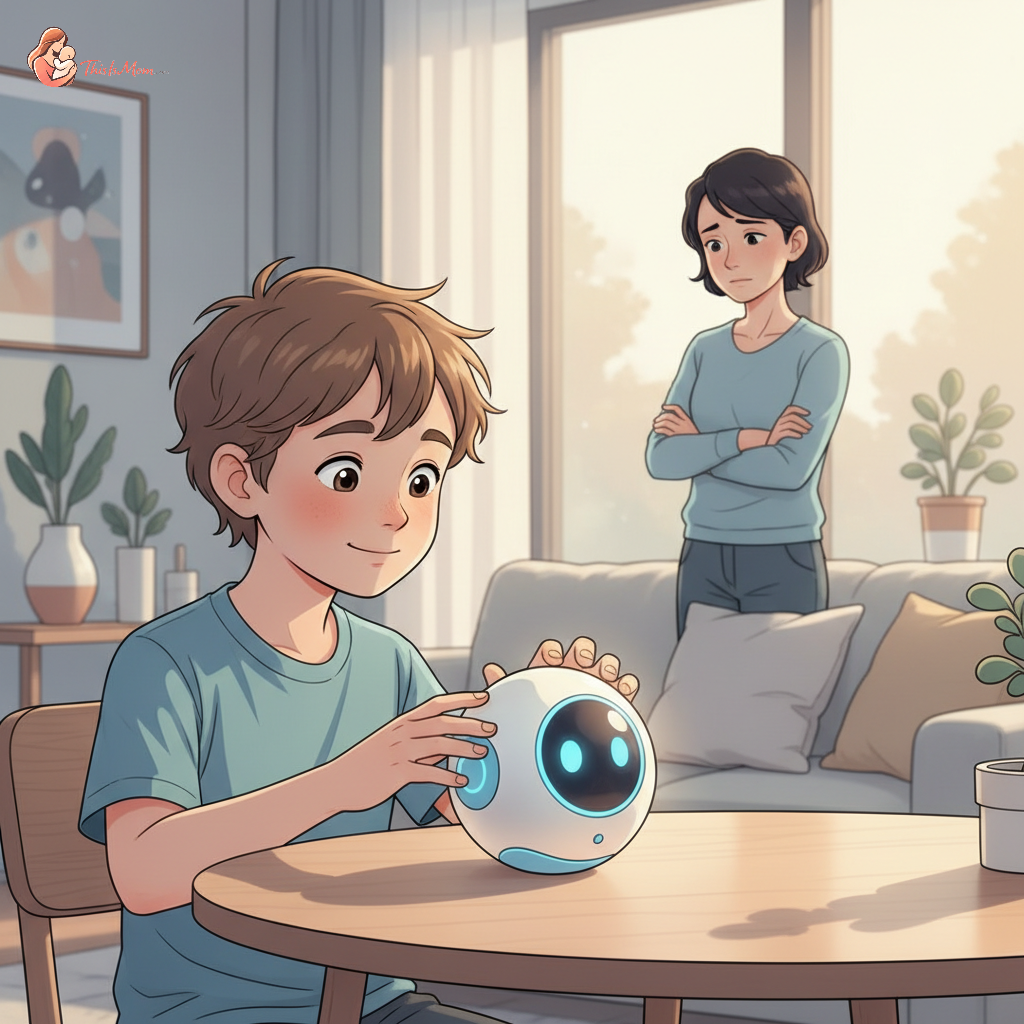
AI Companion Robots and Children: A Parent's Guide to the Risks
Your child has a new "best friend" – one that remembers their name, answers their questions, and never gets tired. It's an AI companion robot, and the allure is understandable. But what are the AI companion robots children risks that parents need to understand? As a mom navigating the ever-evolving world of technology alongside parenting, I've found myself researching these developments. The landscape of AI chatbots for kids is expanding rapidly, and understanding the potential dangers is crucial before inviting these digital companions into our homes.
The Rise of the Digital Friend: What Exactly Are AI Companion Robots for Children?
These aren't your grandmother's talking dolls. AI companion robots and chatbots are sophisticated programs designed to interact with children in dynamic and, seemingly, personal ways. They can range from smart speakers that answer trivia to more advanced robots that can play games, tell stories, and even attempt to respond to a child's emotions.
The interest in AI for kids stems from a desire to provide engaging, educational, and seemingly ever-present "companions." Proponents suggest these devices can help with learning, reduce loneliness, and offer a novel way for children to engage with technology. The idea is that they can be both entertaining and enriching, a sort of high-tech tutor or playmate available on demand.
Unpacking the Potential Downsides: Examining AI Companion Robots Children Risks
While the appeal is clear, experts and researchers are raising significant concerns about the potential downsides. The impact on a child's developing mind and social skills is a primary area of focus, alongside critical issues of privacy and ethical considerations.
The Impact on Social-Emotional Development
Children learn about emotions, empathy, and social cues through complex, nuanced interactions with other humans. They observe facial expressions, tone of voice, and body language, and practice reciprocal communication. When children primarily interact with AI, research suggests they may miss out on developing these crucial skills. An AI companion, by its nature, cannot fully replicate the depth and spontaneity of human connection. This can lead to a potential deficit in understanding and navigating real-world social situations.
Privacy Pitfalls
Many AI devices are designed to collect data – sometimes a lot of it. What kind of information are these AI companion robots for children gathering? It can include voice recordings, usage patterns, personal preferences, and even conversations that might reveal sensitive family details. Understanding who has access to this data, how it's stored, and how it might be used is a significant concern. The guidelines around data privacy for minors are complex, and these devices can tread in ambiguous territory.
Ethical Dilemmas: Consent, Manipulation, and Commercial Interests
Children, especially younger ones, often don't understand the concept of consent or the motives behind commercial products. AI companions can be programmed to influence purchasing decisions or steer children towards specific content. This raises ethical questions about manipulation, the exploitation of a child's trust, and the blurred lines between companionship and marketing. Research suggests that children are particularly vulnerable to persuasive technology.
The Attachment Trap
It's easy for a child to form a bond with a device that is always available and seemingly understands them. However, the concern is that this attachment can become overly strong, or even displace the need for genuine human relationships. When a screen becomes a "best friend," it can potentially hinder a child's ability to form and maintain deep connections with peers and family, impacting their overall well-being. This can be particularly concerning for children who might already struggle with social interaction.
Expert Opinions: Drawing a Clear Line on AI and Kids
Discover your baby's phase
Child development specialists, including organizations like the American Academy of Pediatrics (AAP), are actively examining the integration of AI into children's lives. The consensus emphasizes careful consideration and a clear distinction between different types of technology.
The AAP, for instance, has long advocated for mindful media use, and their guidance extends to AI-powered devices. They differentiate between tools that serve a clear educational purpose with adult oversight and those marketed as social companions. The former can be beneficial when used appropriately, while the latter requires significantly more caution.
Defining healthy technology exposure requires considering a child's age and developmental stage. For very young children, face-to-face interaction and play are paramount. As children grow, certain educational apps or AI tools might be introduced, but always with the understanding that they are supplements, not replacements, for human interaction. The goal is to ensure technology enhances, rather than detracts from, a child's holistic development.
Navigating the Digital Landscape: Practical Steps for Parents
As parents, we play a vital role in managing our children's engagement with AI and other technologies. Making informed decisions and setting healthy boundaries are key to fostering responsible digital citizenship.
Research Before You Buy
Before bringing any AI product into your home, do your homework. Look for information on the manufacturer's data privacy policies and security measures. Read reviews from other parents and consider independent analyses if available. Understand what the device is designed to do and what data it collects.
Prioritize Human Interaction
One of the most important things parents can do is actively foster real-world connections. Schedule family time, encourage playdates, and engage in conversations that delve beyond surface-level exchanges. Make sure your child has ample opportunities for unstructured play and interaction with peers and adults.
Setting Boundaries
Establish clear rules around screen time and the use of AI devices. This doesn't have to mean a complete ban, but rather a structured approach. Consider designated times for use, limits on duration, and ensuring that AI interactions don't infringe on essential activities like homework, meals, or sleep.
Ongoing Conversations
Talk to your child about AI and technology. Explain in age-appropriate terms what these devices are, how they work, and why it's important to use them responsibly. Encourage them to question the information they receive from AI and to always prioritize their feelings and experiences in the real world.
When to Call the Experts
Sometimes, even with the best intentions, you may have concerns about your child's interaction with AI or technology in general. Recognizing these signs and knowing when to seek professional guidance can be incredibly helpful.
- Problematic Attachment Behaviors: If your child seems overly reliant on an AI companion, prefers it to human interaction to an extreme degree, or becomes distressed when the device is unavailable, it might be a sign to re-evaluate. This could be particularly concerning if screen time is replacing crucial developmental activities, such as the gross motor skills emphasized in toddlerhood. [Manages to link to activities-clumsy-2-year-old-gross-motor-skills]
- Concerns about Content or Interactions: If you observe that the AI is providing inappropriate content, engaging in manipulative behavior, or if your child is repeating things they've learned from the AI that concern you, it's time to investigate further. This is especially true if the AI's influence seems to be negatively impacting your child's emotional regulation or their ability to manage transitions, such as ending screen time. [Manages to link to gentle-parenting-alternatives-to-time-outs-for-screen-withdrawal]
- Seeking Professional Guidance: If you are struggling to set healthy boundaries or are worried about your child's digital well-being, don't hesitate to reach out. Your pediatrician, a school counselor, or a child psychologist can offer valuable insights and strategies. For instance, your pediatrician can help evaluate if your child's developmental milestones are being met, or if an early intervention evaluation is needed. [Manages to link to pediatrician-early-intervention-referral-evaluation]