Baby Blues vs. PPD: Spotting Postpartum Depression & PPA
Are you experiencing baby blues, PPD, or PPA? Learn the key differences and signs to watch for to understand your postpartum mood and get support.
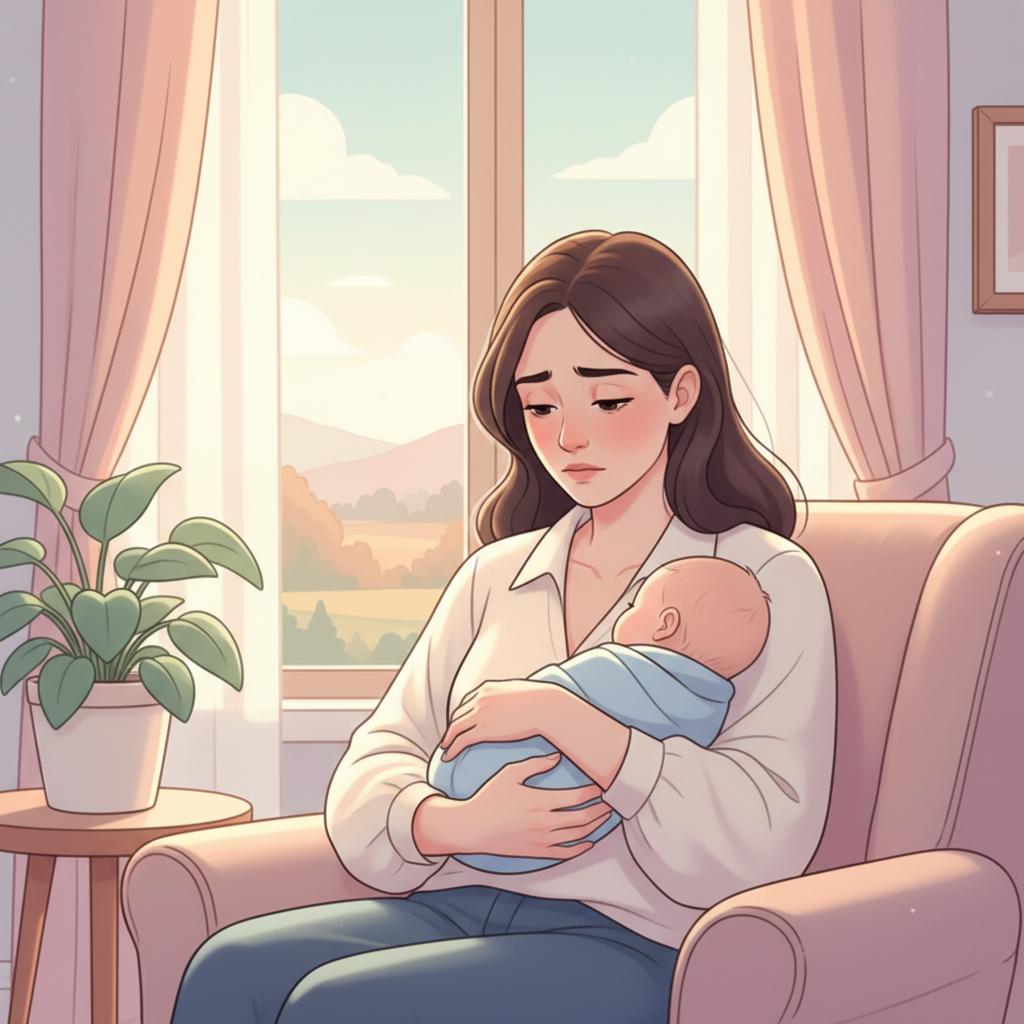
It was 3 AM. Or maybe 4 AM. Honestly, the exact time is a blur through the bone-deep exhaustion. Noah was finally asleep, a warm, breathing weight on my chest. The house was silent except for the hum of the refrigerator and the frantic thumping of my own heart. And for the first time, I genuinely wondered if I was going to be okay.
The ‘baby blues’ were hitting me hard. Nobody really spells out what they’re supposed to feel like, right? They show you the cute onesies, the tiny socks, the gooey newborn smiles. But they don't often talk about the weeping jags over burnt toast or the overwhelming sense that you’re failing at the one job you were apparently born to do.
Real talk – motherhood is the wildest ride, and the beginning is pure, unadulterated chaos. You’re navigating a whole new world with a tiny human who depends on you for everything, while your body is doing its own post-birth marathon. It’s a lot. If you’re in that blurry, overwhelming early phase, let’s break down what’s happening.
The Rollercoaster of New Parenthood: What Are the 'Baby Blues'?
So, you’ve welcomed your little one, and now you’re riding a hormonal tidal wave. This is the classic ‘baby blues.’ Think of it as your body’s way of readjusting after the massive physical and emotional marathon of pregnancy and birth.
Hormone levels are doing a wild dance, plummeting in the days after delivery. It can make you feel emotional, weepy, irritable, and overwhelmed. You might find yourself crying for seemingly no reason, or feeling a bit restless and anxious about your new baby. If you're experiencing intense worry, it might be postpartum anxiety symptoms, which can be easily mistaken for baby blues.
These feelings are super common. Most estimates suggest that a significant majority of new moms experience them. They usually pop up within a few days of giving birth and, importantly, tend to fade on their own within two weeks. You’re still you, just… a bit more sensitive, a bit more worn out. It’s tough, but it’s a temporary phase for most.
Beyond the Blues: What PPD and PPA Feel Like
The truth is, while the baby blues are fleeting, sometimes those intense feelings don't go away. They can deepen, or they can change into something more persistent and challenging. This is when we start to talk about postpartum depression (PPD) and postpartum anxiety (PPA).
What is Postpartum Depression (PPD)?
PPD is more than just a bad day or two. It’s a serious mood disorder that can affect any new mother. It’s not a reflection of your love for your baby or your capability as a mom.
What is Postpartum Anxiety (PPA)?
Postpartum anxiety is also a significant condition, and it often goes hand-in-hand with PPD, though it can occur on its own. It’s characterized by excessive worry, racing thoughts, and a constant feeling of dread.
How do PPD and PPA feel emotionally and physically?
These conditions can manifest in many ways, and they can feel incredibly isolating. You might experience a profound sadness that doesn’t lift, or a feeling of emptiness. There can be a loss of interest in things you once enjoyed, or even difficulty bonding with your baby. Recovering from postpartum anxiety and sleep deprivation is possible with the right strategies.
Physically, you might notice changes in your sleep and appetite – either eating or sleeping way too much or not enough at all. Headaches, stomach issues, and overwhelming fatigue that sleep doesn't touch are also common. You might feel irritable or restless, or even have moments where you feel detached from reality. The fear and worry in PPA can be paralyzing, leading to panic attacks.
Baby Blues vs. PPD/PPA: Your Comparative Checklist
Okay, this is crucial. When your feelings start to disrupt your life more significantly, it’s time to pay attention to the differences. Here’s a way to help you start telling baby blues and PPD/PPA apart.
Emotional Intensity and Duration
- Baby Blues: Feelings of sadness, weepiness, or irritability are present but generally don't last more than two weeks. They ebb and flow.
- PPD/PPA: Feelings of sadness, hopelessness, or anxiety are intense and persistent, lasting longer than two weeks. They don't seem to let up, or they might get worse. Understanding the difference between baby blues and PPD symptoms is the first step.
Discover your baby's phase
Impact on Daily Functioning and Self-Care
- Baby Blues: You might feel overwhelmed, but you can mostly still manage basic self-care (showering, eating) and caring for your baby, even if it’s a struggle.
- PPD/PPA: It becomes difficult to carry out daily tasks. You might struggle to eat, sleep, shower, or even adequately care for your baby. You may feel completely depleted and unable to function at your usual (even if mom-fogged) level.
Thoughts of Harm (to self or baby)
- Baby Blues: You have no thoughts of harming yourself or your baby. Your worries are typically about managing the immediate demands of the newborn.
- PPD/PPA: Crucially, if you have thoughts of harming yourself or your baby, this is not the baby blues. This requires immediate professional attention. These thoughts, while terrifying, are often a symptom of the illness and not a reflection of your true desires.
Physical Symptoms to Watch For
- Baby Blues: You’re tired, of course, but your body generally responds to rest. You might have some aches and pains from delivery.
- PPD/PPA: Look out for:
- Severe insomnia or sleeping all the time.
- Significant changes in appetite.
- Overwhelming fatigue that doesn't improve with rest.
- Frequent physical complaints with no clear medical cause (headaches, stomach issues).
- Panic attacks (heart palpitations, shortness of breath, dizziness).
When to Talk to Your Doctor: It's Okay to Ask for Help
This is the big one, y’all. If you're ticking off more of the PPD/PPA boxes than the baby blues ones, or if you just feel off in a way that won’t shake, it is time to reach out for professional support.
It’s so easy to just power through, to think you’re supposed to handle everything alone. But postpartum mental health is just as important as physical recovery. Early intervention makes a huge difference. The sooner you get support, the sooner you can start feeling like yourself again. Your doctor can also guide you on managing unexpected baby expenses if financial stress is a factor.
When you talk to your doctor, whether it's your OB-GYN or your pediatrician at your baby's check-up, be honest. Bring your list. Tell them what you're experiencing, how long it's been going on, and how it's affecting you. They are there to help, not judge. Remember, they’ve seen and heard it all.
Here are some things to consider saying:
- "I've been feeling really down/anxious for more than two weeks."
- "I'm having trouble sleeping or eating."
- "I'm constantly worried about the baby, or I'm having intrusive thoughts."
- "I don't feel like myself, and I'm worried about it."
The CDC and AAP both emphasize the importance of screening for postpartum depression and anxiety. Your doctor will likely ask you questions about your mood during your postpartum visits. Don't feel ashamed; view it as a vital part of your postpartum check-up.
You're Not Alone: Finding Support and Community
The isolating nature of motherhood, especially in the early days, can make you feel like you’re the only one struggling. But the truth is, you are absolutely not alone. So many moms feel this way. Recognizing these feelings may also help you manage child separation anxiety after daycare.
Beyond therapy, which is incredibly effective and can be a game-changer, there are other avenues for support. Many hospitals and community centers offer postpartum support groups. These are places where you can connect with other new moms who get it. Sharing experiences, fears, and triumphs can be incredibly validating.
Online communities and forums can also be a lifeline, especially on those nights when leaving the house feels impossible. Just knowing other people are up with you, going through similar things, can be incredibly comforting.
In terms of practical self-care, I know it sounds like a joke when you can barely pee with a baby attached to you. But try to prioritize small things:
- Accept help when it's offered, and actively ask for it. A meal, an hour of childcare, someone to just hold the baby while you shower.
- Try to get outside for a short walk, even if it's just around the block. Fresh air can do wonders.
- Connect with your partner, a friend, or family. Vent. Talk. Don't bottle it up.
- Give yourself grace. You are doing an amazing, impossible job. Getting help is another sign of your strength, not your weakness. You've got this.
Remember, this phase, however challenging, will not last forever. You are strong, you are capable, and you are doing your best. You've got this.