Baby Blues Get Worse After 2 Weeks? Signs It's More Than Blues
If your baby blues intensify or last longer than two weeks, it could be postpartum depression or anxiety. Learn the key signs and when to seek support.
What If Baby Blues Get Worse Instead of Better After Two Weeks? (Real Talk)
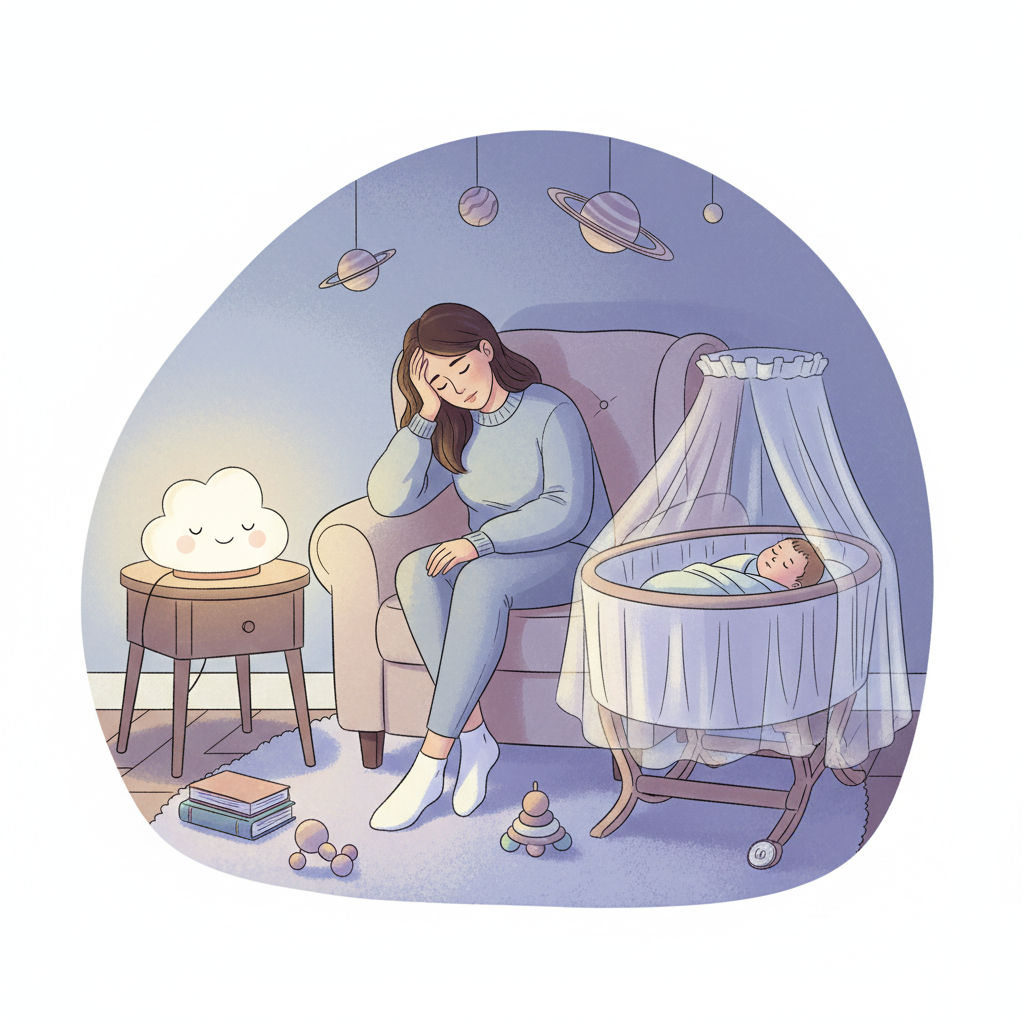
It’s 4 a.m. The house is silent, except for the soft hum of the white noise machine and the rhythmic breathing of my son, Noah, in his bassinet next to me. I’m staring at the ceiling, my eyes burning, my body aching with a weariness that feels bone-deep. It’s been six weeks since Noah arrived, and honestly, I thought by now the fog would have lifted a little. But here I am, wondering – what if baby blues get worse instead of better after two weeks?
A lot of us dive into motherhood with visions of serene cuddles and effortless grace. Then reality hits, usually around 3 a.m., usually with a screaming infant. The "baby blues" are often talked about, this temporary emotional rollercoaster that’s supposedly part of the package. But what happens when that rollercoaster doesn't seem to be heading back down?
Beyond Two Weeks: Recognizing When Baby Blues Shift
When Noah was born, the first week was a blur of exhaustion, love, and a surprising amount of crying – mostly mine. It felt like an emotional tidal wave, with highs of pure adoration and lows that left me feeling utterly incompetent.
What are the 'Baby Blues' normally?
So, what exactly are these infamous baby blues? Officially, they're a common, transient mood disturbance that many new mothers experience. Think crying spells, irritability, anxiety, mood swings, and feeling overwhelmed. It’s like your hormones are having a massive party after the birth, and everyone’s a bit overstimulated and prone to dramatic exits.
These feelings usually kick in within a few days of giving birth and typically peak around day 4 or 5. They can be fueled by hormone changes, sleep deprivation, the sheer magnitude of becoming a mom, and physical recovery. The physical recovery can be particularly challenging after events like a C-section.
When do baby blues come and go?
The key characteristic of the baby blues is that they are temporary. They tend to ebb and flow. One moment you're sobbing because you can't figure out the diaper, the next you're cooing over your baby's tiny fingers. The important thing is that, for most moms, these intense feelings start to subside within a couple of weeks. By the time your baby is around 6 weeks old, you often start feeling more like yourself.
But what if that’s not happening for you? What if, after those first two weeks, things feel… worse?
Is It More Than Just Baby Blues? The Signs to Watch For
This is where it gets tricky, right? We’re conditioned to push through, to believe that this is just motherhood. But sometimes, it’s more than just a tough patch.
Baby Blues vs. Postpartum Depression (PPD): Key Differences
The biggest differentiator is duration and intensity. Baby blues are usually short-lived, fading within about two weeks. Postpartum depression, on the other hand, is a more persistent and severe condition. While baby blues are often described as mood swings, PPD is a persistent low mood and a loss of interest or pleasure in things you once enjoyed. When dealing with these symptoms, it's crucial to remember that seeking professional help, like affordable pelvic floor PT, is a sign of strength, not weakness.
Another critical difference is the impact on functioning. With baby blues, you can still care for yourself and your baby, even if it feels incredibly hard. With PPD, the symptoms can be so debilitating that daily tasks feel impossible.
Can baby blues last longer than 2 weeks?
Yes, the idea of baby blues can linger, but if your symptoms aren't improving after two, maybe three weeks, and are instead getting worse or staying intensely bad, that’s a major sign it’s likely not just the typical baby blues. The line between lingering blues and something more serious like PPD can be blurry, but it’s crucial to pay attention to the persistence and severity of your feelings.
Symptoms that say 'it's time to talk'
If you’re experiencing any of these, it’s a signal to reach out.
- Persistent sadness or mood swings that don’t improve after a few weeks.
- Loss of interest in your baby or activities you used to enjoy.
- Difficulty bonding with your baby.
- Feelings of worthlessness, shame, guilt, or inadequacy.
- Severe mood swings that interfere with your ability to function.
- Withdrawing from your partner, family, and friends.
- Overwhelming anxiety or panic attacks.
- Constant worry or obsessive thoughts about your baby’s health or safety.
- Thoughts of harming yourself or your baby. (This is an emergency – seek immediate help).
- Changes in appetite or sleep patterns (beyond what’s expected with a newborn).
If you’re nodding along to more than a couple of these, it’s absolutely time to talk to someone.
Understanding PPD & PPA: What They Are (and Aren't)
Discover your baby's phase
It’s important to understand that these are medical conditions, not signs of weakness.
Postpartum Depression (PPD): Deeper Dips
PPD is a major depressive episode that occurs after childbirth. It can affect anyone, regardless of their history of mental health issues. The symptoms can range in severity, and they profoundly impact a mother’s daily life. It’s more than just feeling sad; it’s a darkness that can feel inescapable. Facing these challenges can be particularly difficult when combined with postpartum insomnia.
Postpartum Anxiety (PPA): The Overwhelm
Alongside PPD, there’s also Postpartum Anxiety (PPA). This can manifest as excessive worry, intrusive thoughts, panic attacks, and a constant sense of dread. Some moms experience PPA without PPD, while others have both. The anxiety can be all-consuming, making it hard to relax or feel safe, even when your baby is content.
What is the most severe form of postpartum blues?
The most severe, though thankfully rare, form is postpartum psychosis. This is a medical emergency and involves serious symptoms like hallucinations, delusions, paranoia, and disorientation. If you or someone you know experiences these, immediate medical attention is critical. PPD and PPA are serious, but they are treatable and not as immediately emergent as psychosis.
My Experience: When My Baby Blues Didn't Fade
Look, I’m not perfect. When Noah arrived, I thought I was prepared. I read all the books, took the classes, and set up our apartment like a functional nursery station. But nothing truly prepares you for the actual experience.
The hardest month of postpartum: My turning point
For me, the first few weeks were a blur of love and sheer survival. But around week five, I hit a wall. The crying spells became more frequent, and the joy felt… muted. I’d look at Noah and feel a pang of guilt because I wasn't experiencing that instant, overwhelming bond the Instagram posts promised. I was terrified I was doing everything wrong. The anxiety was a constant hum in the background, a buzzing fear that something terrible was about to happen.
I remember one afternoon, staring at Noah sleeping, and instead of feeling peace, I felt numb. A cold, hollow numbness. That was my turning point. I realized this wasn't just "baby blues" anymore. This was something heavier.
What I wish I'd known sooner
The truth is, I wish I’d known that it’s okay – no, it’s essential – to ask for help. I kept thinking, "I'm a mom now, I have to be strong." But strength isn't about never asking for help; it’s about knowing when and how to seek it. I wish I'd understood that feeling this way didn't make me a bad mother. It made me a human being in an incredibly demanding situation. If you're struggling to manage everything, consider if a nanny vs. dependent care FSA could offer some relief.
Taking the First Step: How to Get Support
Reaching out can feel like the hardest thing in the world, especially when you’re feeling so low or anxious. But it’s the most important step you can take.
Here are some ways to start:
- Talk to your partner or a trusted friend: Sometimes, just verbalizing your feelings to someone who loves you can lift a significant weight. Be as honest as you can about how you're truly feeling.
- Contact your doctor or pediatrician: Your OB-GYN or midwife is a fantastic resource. They can screen you for PPD and PPA and discuss treatment options. Your pediatrician is also a great first point of contact, as they see many new mothers and can guide you. You might also want to discuss options for FMLA extension if you need more time to recover.
- Find a therapist or support group: Many therapists specialize in perinatal mental health. Support groups, whether in-person or online, can connect you with other moms who understand exactly what you’re going through. You are not an island.
Remember, You Are Not Alone: Support and Hope
The journey through postpartum can be incredibly challenging, but please, please know that you are not alone. What you are feeling is real, and it is treatable.
Resources for PPD/PPA help (US-based)
- Postpartum Support International (PSI): They offer a helpline, online support groups, and a directory of local resources.
- National Maternal Mental Health Hotline: Call or text 1-833-TLC-MAMA (1-833-852-6262) for free, confidential support.
- Your local hospital or birth center: Many offer postpartum support services.
- The CDC and AAP offer information on maternal mental health.
The journey to feeling like yourself again
Healing isn't linear. There will be good days and tough days. But with support, with self-compassion, and with time, you will start to feel more like yourself. You are doing an amazing, exhausting, revolutionary job. Be gentle with yourself. You’ve got this, and help is out there.