Baby Blues to PPD? Signs Your Mood is Worsening Postpartum
Are your baby blues shifting to PPD? Learn how to tell if your postpartum mood symptoms are worsening weeks after birth and when to seek help.
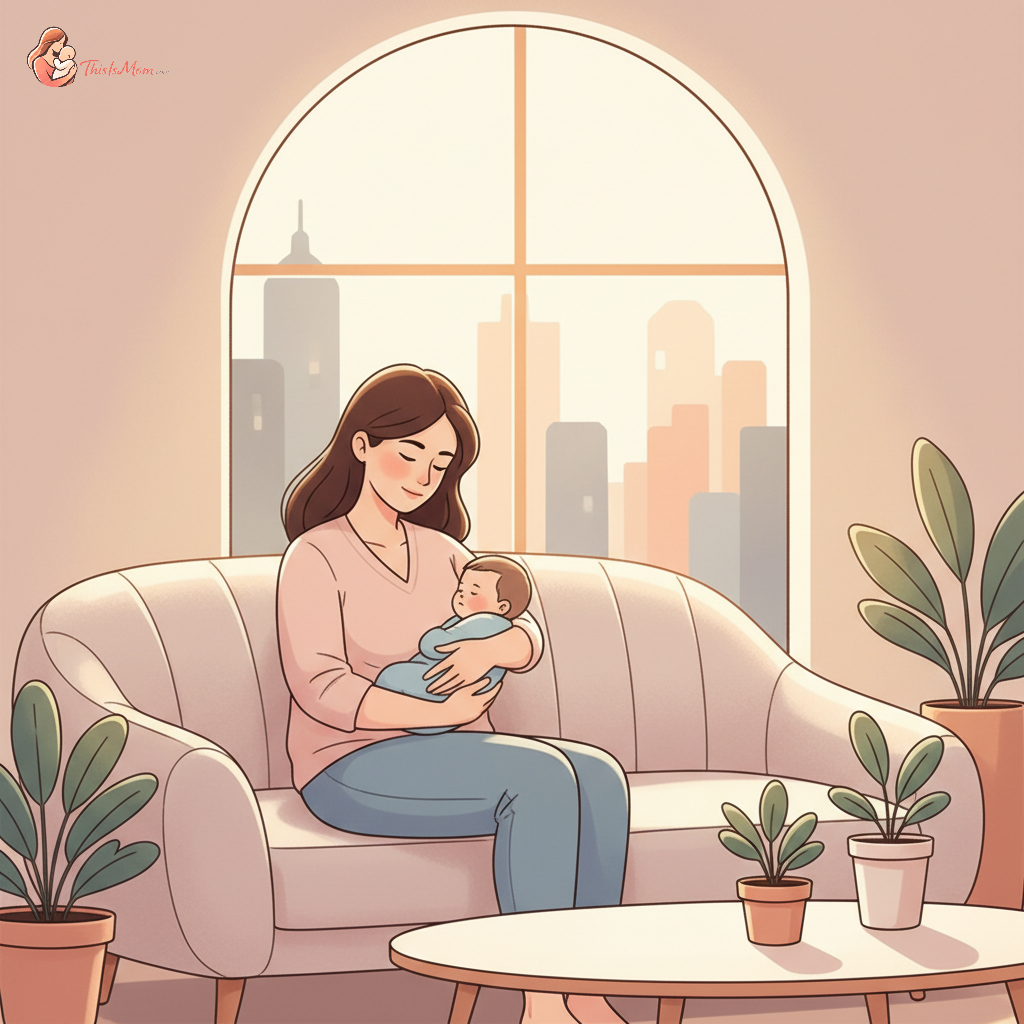
Baby Blues vs. PPD: How to Tell if Yours Are Worsening Weeks Postpartum
It was 3 AM. Again. Noah was finally asleep, and I was sitting on the couch, the silence of my Brooklyn apartment amplifying the static in my own head. My skin felt clammy, my chest tight, and for the millionth time that day, I wondered if I was doing anything right.
I’d heard about the “baby blues.” Everyone talks about those first few weeks being a whirlwind. But this felt… deeper. More persistent. It was a pit in my stomach that wouldn't budge.
Real talk — nobody prepares you for the sheer intensity of it all. The hormonal crash, the sleep deprivation, the relentless demands of a tiny human who needs everything. It's a beautiful, terrifying, life-altering experience, and navigating the emotional landscape can feel like trying to chart a course through a fog.
If you're deep in that fourth trimester, rocking a sleepless infant and feeling a similar sense of unease, you're not alone. Let’s break down how to tell if your baby blues are worsening into PPD weeks postpartum, because knowing the difference is crucial.
The Emotional Rollercoaster of Early Postpartum Life
The first few weeks after bringing a baby home are, to put it mildly, bananas. Your body is healing, your hormones are doing a frantic dance, and your entire world has shifted on its axis.
What are the 'Baby Blues' really like?
Think of the baby blues as a temporary, emotional hangover from childbirth. Most moms experience some version of this. You might feel weepy for no reason, irritable, anxious, or just plain overwhelmed.
One minute you’re crying because your baby is so precious, the next you’re weeping because you can’t find clean socks. It’s a wild ride, and it’s completely normal. The baby blues timeline: when postpartum emotions peak week by week, key symptoms, and when to seek support can help you understand this phase.
Why do we feel so many emotions after birth?
So many things are happening at once. Your body’s hormones, which were sky-high during pregnancy, plummet dramatically after you give birth. This sudden drop can trigger mood swings, much like PMS but on steroids.
Then you’ve got the physical recovery – stitches, soreness, bleeding. Add in the sleep deprivation, the constant feeding and changing, and the immense pressure to be the “perfect” mom. It’s a recipe for emotional chaos, and the baby blues are often the expected outcome.
Spotting the Difference: Baby Blues vs. PPD Early On
The baby blues can feel intense, but they typically don't derail your ability to function completely. The key difference lies in the severity and duration of your symptoms.
Key symptoms that go beyond typical baby blues
While the baby blues involve mood swings and tearfulness, postpartum depression (PPD) symptoms are more profound and persistent. If you’re experiencing any of these, it’s worth paying close attention:
- Intense sadness or emptiness: A pervasive feeling that just won’t lift.
- Severe mood swings: Much more extreme than just feeling a bit weepy.
- Difficulty bonding with your baby: Feeling indifferent or even resentful towards your little one.
- Withdrawing from loved ones: Isolating yourself and pushing people away.
- Feelings of worthlessness or shame: Believing you’re a bad mother.
- Thoughts of harming yourself or your baby: This is a critical sign and requires immediate help.
The truth is, you can feel all of these things with the baby blues too, but with PPD, they are amplified and don't ease up.
The timeline: When 'baby blues' should start to fade
Generally, the baby blues appear within the first few days after birth and usually start to lift on their own by about two weeks postpartum. If you’re still feeling profoundly down, anxious, or overwhelmed after that two-week mark, and especially if your symptoms are worsening, it’s a signal that you might be dealing with something more than just the blues.
It’s important to remember that these timelines are general guidelines. Every mom’s experience is unique, and there’s no one-size-fits-all approach to postpartum recovery.
Signs Your Baby Blues Might Be Shifting to PPD
This is where things can feel particularly confusing and scary. You might have experienced some of the milder blues, and now you're noticing a more sinister shift.
When emotions feel overwhelming and constant
With the baby blues, you might have moments of feeling okay, even happy, in between the tears. With PPD, the overwhelming sadness, anxiety, or irritability can feel like a constant companion.
It’s like a dark cloud that follows you everywhere, dimming even the brightest moments with your baby. You might feel a persistent sense of dread or panic, where even minor stressors feel insurmountable. If your baby struggles with feeding, know that there are options like formula for supplementing breast milk with gassy baby or exploring the best formula brand for reflux and sensitive tummy.
Changes in sleep, eating, or self-care habits
Your basic needs can start to fall by the wayside. This isn’t just about being too tired to shower (though that’s definitely a thing!). With PPD, you might find yourself:
Discover your baby's phase
- Unable to sleep even when the baby is sleeping: This is called insomnia, and it’s different from just being tired.
- Eating significantly more or less than usual: A noticeable change in your appetite that’s not tied to your postpartum healing.
- Neglecting personal hygiene: Forgetting to brush your teeth, change your clothes, or complete other basic self-care routines.
- Feeling completely drained of energy: Beyond new-mom exhaustion, this is a bone-deep fatigue that doesn’t improve with rest. Dealing with a baby who refuses the bottle can add to this exhaustion; here are tips on what to do if baby refuses a bottle after exclusively breastfed.
These are often the signals that your body and mind are struggling to cope.
Losing interest in things you once enjoyed
If you’re normally someone who loves to read, garden, or catch up with friends, but now you have zero motivation or pleasure from these activities, that’s a significant red flag.
This lack of interest, also known as anhedonia, is a hallmark symptom of depression. It can feel like the world has turned gray, and nothing brings you joy anymore, not even your new baby.
How to Ask for Help: Taking Action When You Need It
My biggest piece of advice? Reach out. Staying silent is the easiest way to let these feelings fester. Asking for help is a sign of strength, not weakness.
Starting the conversation with your partner or a friend
It can be incredibly hard to voice these feelings, especially if you feel ashamed or guilty. But you have to start somewhere.
Try to be as specific as you can. Instead of saying "I'm not feeling great," try "I've been feeling overwhelmingly sad for weeks, and I'm worried about myself." Or, "I can't seem to connect with the baby, and it's terrifying me."
Choose someone you trust implicitly, someone who will listen without judgment. Sometimes just saying it out loud can be the first step toward feeling better.
When to contact your pediatrician or OB/GYN
Your pediatrician is an excellent resource in these early weeks. They often screen for postpartum mood changes during your baby’s check-ups.
Don't hesitate to call your OB/GYN's office directly, especially if you think you’re experiencing PPD symptoms. They can assess your mental health, offer resources, and refer you to specialists.
Most maternal health providers are trained to recognize the signs of baby blues versus PPD and can guide you on the next steps.
Finding a mental health professional who understands postpartum
If you’re struggling, a therapist or counselor specializing in perinatal mental health can be incredibly beneficial. They can provide coping strategies, help you process your feelings, and offer ongoing support.
Don't be afraid to ask your doctor for recommendations, or look for providers who specifically mention experience with postpartum mood disorders. Therapy is not a sign of failure; it's a tool for healing and growth.
Supporting Yourself During This Sensitive Time
You are the architect of your recovery. While the support of others is vital, remember that you have the power to nurture yourself, even in small ways.
Prioritizing rest and nourishment
This is non-negotiable. Sleep deprivation exacerbates everything. Do what you can to maximize sleep, even if it means a messy house or accepting help from others to nap. Utilizing tips for gentle methods to resettle baby after 3 AM feeding could be a small step.
Fuel your body with nutritious food. When you’re running on empty emotionally and physically, good food can make a surprising difference. Hydrate!
Building a support system that truly helps
Identify the people in your life who uplift you. Lean on them. If certain people or situations drain you, it's okay to create some distance, at least for now.
Consider joining a new mom support group. Connecting with other women who are going through similar experiences can be incredibly validating and reduce feelings of isolation.
A gentle reminder: It's okay to not be okay
Seriously. You're in the thick of it, and "perfectly happy mom" is a myth. The pressure to appear put-together is immense, but it's also incredibly damaging. It's especially hard if you're questioning if low weight gain baby needs formula and how to choose.
Allow yourself to feel whatever you're feeling without guilt. You are navigating one of the most challenging transitions in life. Be kind to yourself. You are doing your best, and your best is enough.