Baby Cries During Gentle Chair Sleep Training? What to Do
Is your baby crying during the gentle chair sleep training method? Learn how to decode their cries, troubleshoot common issues, and discover compassionate alternatives.
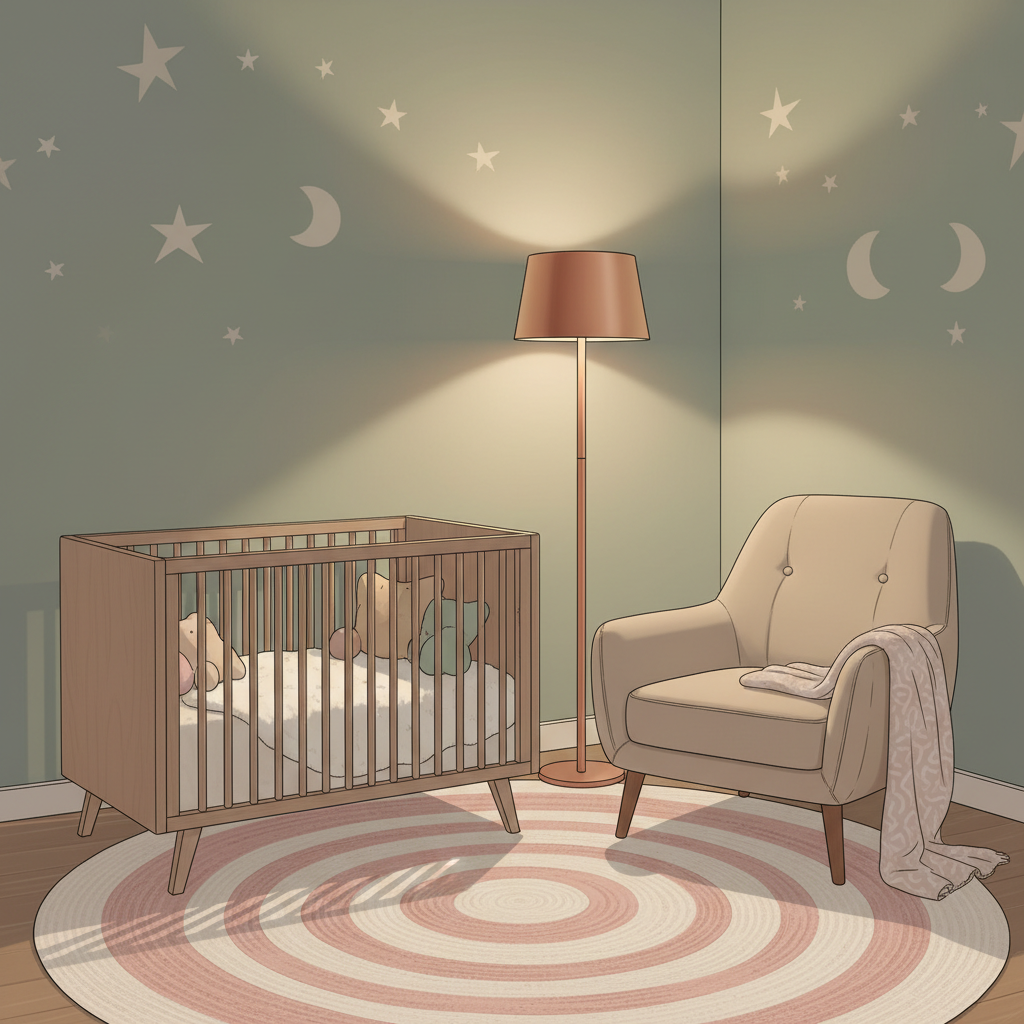
Baby Cries During the Chair Method? Here’s What To Do
It’s 10:00 PM. You’ve just finished your third round of rocking, shushing, and desperate whispering of “sleep, sleep, sleep.” You place your precious little one in the crib, intending to sit in your designated chair, just out of immediate reach, ready to offer comfort. And then it starts. The cries. Not just little whimpers, but full-blown, chest-heaving wails. Your heart sinks. You’re trying the “gentle” chair method, and you’re pretty sure this isn’t the gentle part.
If you’re wondering what if baby cries during gentle chair sleep training method, you are not alone. This is one of those things they don’t quite cover in the glossy brochures about babyhood. We’re told about gentle sleep training, about how we can guide our little ones towards independent sleep without resorting to CIO (cry-it-out). But what happens when you’re sitting there, a silent, supportive presence, and the tears still flow?
Understanding 'Gentle' Sleep Training & Why Tears Still Happen
So, what is this chair method, anyway? At its core, it’s about gradually decreasing your physical presence at bedtime. You start by sitting right next to the crib, a comforting anchor. Over time, you move your chair further away, night by night, until you’re out of the room. The idea is to teach your baby to self-soothe, knowing you're nearby.
But here’s the truth: for most babies, change, even a positive one, can be met with protest. They’re used to your immediate comfort, your rocking, your closeness. So, even with the gentlest approach, some crying can be a natural part of the process. It’s often a way of expressing frustration or confusion, not necessarily deep distress. There’s a difference between a gentle sleep training crying protest and a cry that signals genuine distress. Protest cries often sound whiny, frustrated, or angry. You might hear them pause and then start again. Distress cries, on the other hand, tend to be more sustained, higher-pitched, and sound truly desperate. They’re the cries that make your inner mama bear want to scoop them up immediately.
Troubleshooting: Decoding Your Baby's Cries During the Chair Method
When those cries start, your first instinct is to jump in. But before you abandon ship, let’s try to decode what’s happening. Sometimes, the chair method isn’t the problem; it’s an underlying issue that’s making sleep difficult. Are they overtired or undertired? This is the million-dollar question for all things baby sleep. If your baby is overtired, their cortisol levels are too high, making it incredibly hard for them to settle. If they’re undertired, they simply aren’t ready for sleep yet. A good wake window assessment is key here. Is the sleep environment truly optimized? Think about it: is the room dark enough? Is it the right temperature? Is there any background noise that might be disruptive? Sometimes a small tweak, like blackout curtains or a white noise machine, can make a world of difference. Could it be a developmental leap or growth spurt? Babies go through so many changes – rolling, crawling, teething, and other leaps. These can temporarily disrupt sleep, no matter what method you’re using. Often, these phases pass, and sleep training can be re-attempted later. What to do if baby is screaming during sleep training? If the cries sound like pure distress, or if they’re escalating and your baby isn’t calming down with your presence, it might be time to pause, comfort them fully, and reassess. The chair method baby screaming is a sign that this particular approach, at this particular moment, might not be working. Perhaps your baby is experiencing a sleep regression, like the one common around 4 months or 5 months, which might require adjusting your sleep training strategy.
Discover your baby's phase
When to Adapt Your Approach: Is the Chair Method Right for Your Family?
Does gentle sleep training always involve some crying? For many babies, yes, a bit of protest crying is almost unavoidable as they adjust. But if the thought of any crying sends you into an anxiety spiral, that’s valid. It’s crucial to recognize your baby’s temperament and needs. Some babies are naturally more sensitive. Others are more easily adaptable. What works for one baby might be a total disaster for another. You’re the expert on your baby.
And just as important: your own comfort level with crying and stress. Sleep training is hard on everyone, especially parents. If you’re already feeling overwhelmed and the idea of listening to your baby cry, even for a little while, is too much for your nervous system, that’s your signal to explore other options. For instance, if you are trying to manage sleep for a younger infant, you might find tips on keeping your baby warm in the crib safely helpful as a starting point for a comfortable sleep environment.
Compassionate Alternatives and Adjustments to Consider
If the chair method feels like a struggle, remember that it’s not the only path to better sleep. There are many ways to support your baby’s sleep journey. You could try tried and true ‘no tears’ methods. The Pick Up, Put Down method is a popular one, though not explicitly listed, it shares principles with other gentle approaches. Essentially, you pick up your baby to comfort them when they cry, but the moment they calm down a bit, you put them back down in their crib. It’s about offering immediate comfort without necessarily ending the sleep attempt. Another approach is gradual fading. This involves slowly shortening your presence or the amount of intervention you offer. Instead of moving your chair nightly, you might move it every few nights. Or, you might start by offering a quick pat or shush before retreating. Sometimes, focusing on pre-sleep routines over strict training can be incredibly effective. A consistent, calming bedtime routine – bath, PJs, book, song – signals to your baby that it’s time to wind down. This can naturally lead to easier sleep, with less need for formal training. For example, ensuring your baby has had sufficient awake time before bed is crucial for them to be tired enough to sleep.
Prioritizing Your Well-being: It's Okay to Pivot
Managing parental guilt and exhaustion is perhaps the hardest part of all of this. You want to do what’s best for your baby, but you also need to take care of yourself. If sleep training is pushing you to your absolute breaking point, then something needs to shift. There’s absolutely no shame in hitting pause and revisiting sleep training down the road. Your baby’s sleep needs will change, and your capacity to handle it will too. Give yourself and your baby grace.
If you’re feeling lost, don't be afraid to seek support. Talk to your partner, a trusted friend, or family member. Sometimes just voicing your struggles can be a huge relief. And if you’re consistently struggling with sleep, consider reaching out to a qualified sleep consultant who can offer personalized guidance and support tailored to your family's unique situation. For families dealing with specific challenges, like a baby who won't sleep in the bassinet or a 6-month-old only napping 30 minutes, seeking help might be more beneficial than persevering with a method that isn't working.