Baby Food: Safely Introduce Grapes & Cherry Tomatoes
Learn when and how to safely introduce whole grapes and cherry tomatoes to your baby. Discover essential cutting techniques and choking prevention tips for toddlers.
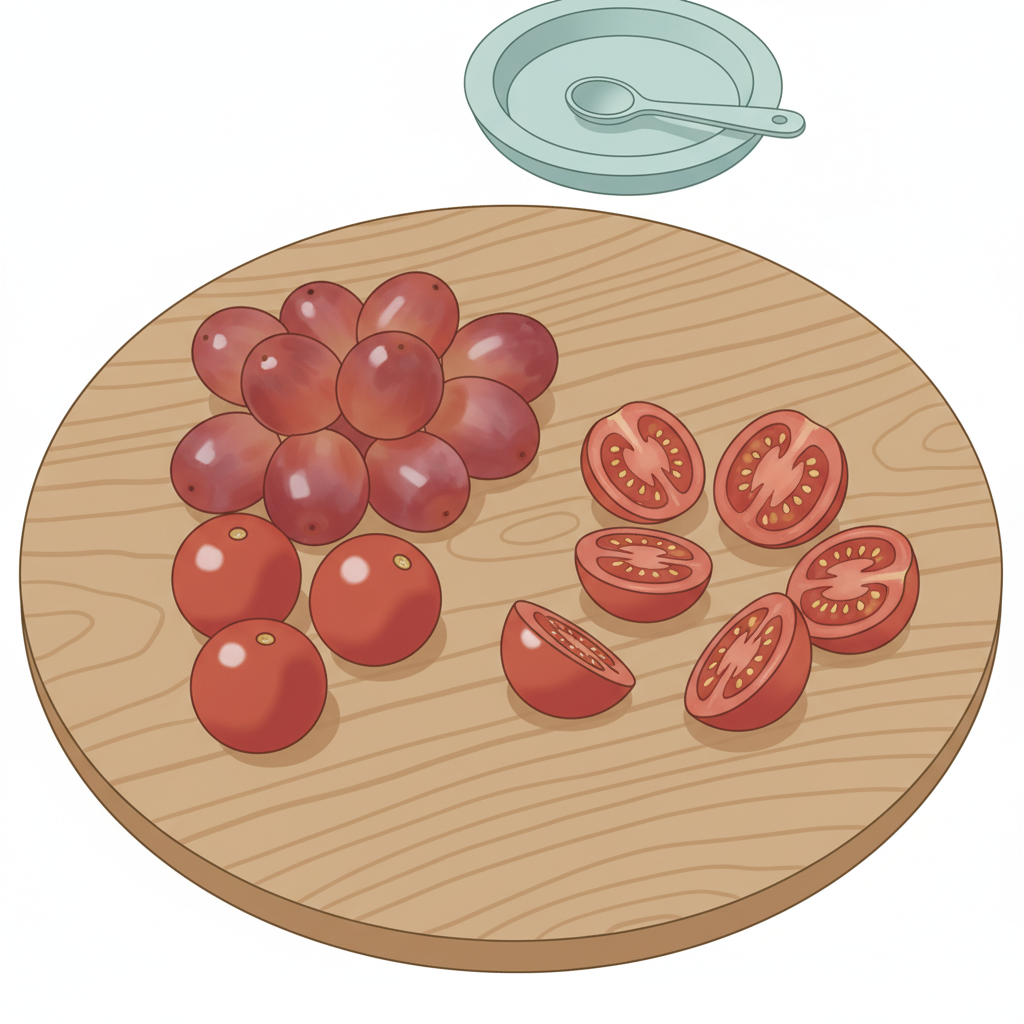
When Can Baby Eat Whole Grapes & Cherry Tomatoes Safely? A Guide
As your baby begins exploring solid foods, questions often arise about introducing colorful, bite-sized fruits like grapes and cherry tomatoes. Understanding when and how to safely introduce these items, especially regarding choking hazards, is a paramount concern for many parents.
Introducing solids is a period of both excitement and vigilance. While encouraging a wide variety of healthy foods, ensuring safety remains the top priority. The American Academy of Pediatrics (AAP) offers clear guidelines on food preparation crucial for minimizing choking risks, particularly for foods like grapes and cherry tomatoes.
Understanding Choking Hazards for Babies and Toddlers
Choking occurs when a foreign object blocks a child's airway. Young children are particularly susceptible due to their smaller airways and developing chewing abilities. Certain food shapes and textures present specific problems.
The AAP highlights that young children face a higher choking risk. Some food items, by virtue of their size, shape, or texture, pose a greater danger. Identifying common choking hazards is the first step in prevention.
Foods that are round, firm, and smooth can perfectly obstruct a child’s windpipe. This includes items like whole grapes, hot dogs, nuts, and hard candies. Modifying these foods significantly alters their risk factor.
When to Introduce Grapes and Cherry Tomatoes (and Key Milestones)
Introducing solid foods typically begins around six months of age, but readiness varies among children. The decision about when your baby can safely consume grapes and cherry tomatoes is not solely age-dependent; it hinges on meeting specific developmental milestones.
Developmental Readiness Signs
Before considering grapes or cherry tomatoes, ensure your baby demonstrates several key signs of readiness for a wider range of solid foods:
- Good head and neck control: They can sit with support and hold their head steady.
- Loss of the tongue-thrust reflex: This reflex, which pushes food out of the mouth, should have diminished.
- Interest in food: They watch you eat, reach for food, and open their mouth when food is offered.
- Ability to move food from the front to the back of their mouth: This is a precursor to chewing.
Even with these milestones met, whole grapes or cherry tomatoes are not immediately safe. The AAP's guidance on food preparation remains crucial.
The AAP's Stance on Circular Foods
The AAP specifically advises caution with circular foods roughly the size of a quarter or larger. Both whole grapes and whole cherry tomatoes fit this description. Their shape can create a seal in a young child's airway, making them difficult to dislodge.
Guidelines strongly recommend modifying these foods to eliminate choking risks. For younger toddlers, offering them whole is not considered safe according to pediatric food safety recommendations.
The Safest Way to Prepare Grapes for Your Little One
Grapes are a nutritious and tasty fruit, but for babies and toddlers, careful preparation prevents them from becoming a choking hazard.
Why Whole Grapes Are a Risk
A whole grape is similar in size and shape to a young child's airway opening. Its firm, smooth texture means it can easily block the trachea if swallowed accidentally without proper chewing. This is why the AAP advises against offering whole grapes to young children.
Step-by-Step Guide to Safe Grape Sectioning
The safest approach, as recommended by the AAP, is to cut grapes. Here's how:
- Wash the grapes thoroughly.
- Remove them from the stem.
- Cut each grape lengthwise into quarters. Imagine slicing the grape into four equal, long pieces. This changes the shape from a round, potentially airway-blocking sphere to a narrower piece much less likely to cause an obstruction.
This method ensures pieces are not the problematic round shape and are easier for young children to manage.
Discover your baby's phase
When It Might Be Safe to Stop Cutting
Many sources suggest that by around age four, most children develop more mature chewing and swallowing skills. However, it's essential to observe your child’s individual eating behavior. If your child consistently chews food thoroughly and demonstrates excellent oral motor skills, a pediatrician might suggest that cutting grapes in half lengthwise could be sufficient for that specific child.
Nonetheless, the safest general rule, especially for toddlers and younger children, is to continue cutting grapes into quarters lengthwise. When in doubt, always err on the side of caution.
Cherry Tomatoes: Slicing for Safety
Similar to grapes, cherry tomatoes pose a choking risk when offered whole. Their size and smooth exterior make them a potential airway obstruction.
The 'Quarter' Rule and Beyond
Applying the same principle as grapes: cut them up. The AAP and other child safety experts recommend cutting cherry tomatoes into quarters lengthwise. This transforms them from a round risk into more manageable pieces.
Some parents opt to simply cut them in half. However, for maximum safety, especially for younger toddlers or those still developing chewing skills, quarters are the preferred method. This is a critical aspect of understanding toddler choking hazards related to food.
Tips for Serving Cherry Tomatoes
- Quarter them lengthwise: Ensure cuts go from stem to blossom end, dividing the tomato into smaller segments.
- Serve with other foods: Offer them alongside softer foods or as part of a meal.
- Supervise closely: Always watch your child while they are eating, regardless of food preparation.
General Food Safety Tips for Choking Hazard Foods
Beyond grapes and cherry tomatoes, many other foods require careful preparation and supervision. Implementing broad food safety practices is vital for all parents.
Supervision is Key
This cannot be stressed enough: always supervise your child while they are eating. Never leave a young child unattended with food, especially items identified as choking hazards. Ensure they are seated properly and not running, playing, or lying down while eating.
Creating a Safe Eating Environment
- Sit them up: Children should always be seated upright at a table or high chair while eating.
- Remove distractions: Turn off the TV and limit other distractions that might cause a child to eat too quickly or without attention.
- Teach them to chew: Encourage your child to chew their food thoroughly.
Foods to Always Avoid (Until a Certain Age)
The following foods are generally considered high-risk for young children and should be avoided or prepared with extreme caution:
- Whole nuts and seeds.
- Popcorn.
- Spoonfuls of peanut butter or other nut butters (spread thinly instead).
- Large chunks of meat or cheese.
- Hard, sticky candies, marshmallows, and gum.
Always refer to comprehensive guidelines on food safety for a complete list and recommendations.
When in Doubt: Talk to Your Pediatrician
Navigating baby food preparation can feel overwhelming, especially when safely introducing foods like grapes and cherry tomatoes. An evidence-based approach emphasizes preparation that mitigates risk. The AAP provides clear, actionable advice for parents aiming to prevent choking incidents.
Remember, every child is different. Their developmental pace, chewing abilities, and eating habits can vary significantly. The guidelines provided are general recommendations to ensure the highest level of safety for most children.
If you have concerns about your child’s development, their ability to handle certain textures, or the best way to introduce new foods, your pediatrician is your most valuable resource. They can provide personalized advice tailored to your child's individual needs and circumstances.