Baby Led Weaning Recipes: 8-Month-Old, No Teeth? No Problem!
Discover the best baby led weaning recipes for 8-month-olds with no teeth! Learn gum-friendly meals, key safety tips, and how to embrace BLW with confidence.
Best Baby Led Weaning Recipes for 8 Month Old With No Teeth: The Gum-Friendly Guide
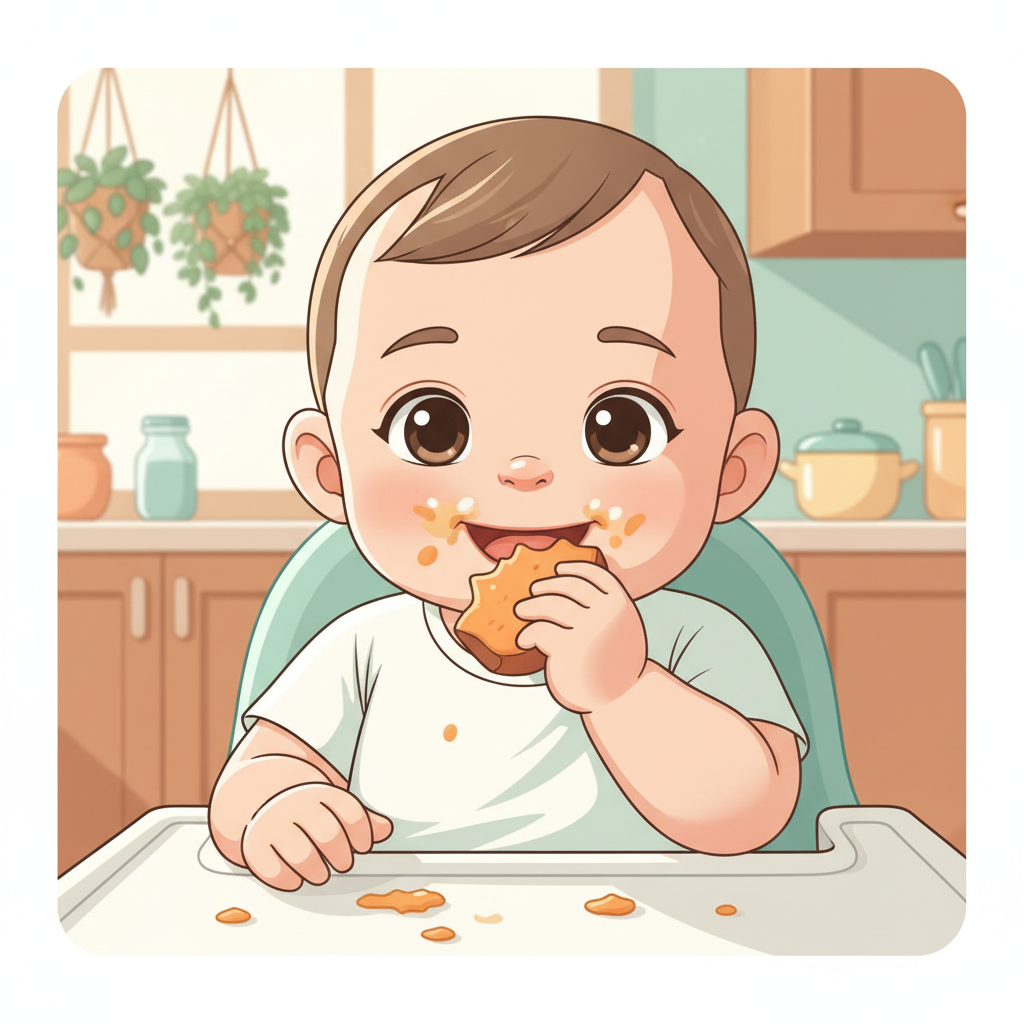
It was 7:15 a.m., a time I used to reserve for snoozing through my alarm, that I found myself staring down a rogue piece of banana that had somehow landed on Noah’s forehead. He was seven months old, had exactly zero teeth, and was entirely committed to the idea that the high chair tray was a buffet and a canvas. Real talk — this whole baby led weaning felt like a beautiful, chaotic experiment.
Especially when the main concern was, "How does my toothless baby actually eat this?"
Honestly, I had a million questions. How soft does food need to be? What if they don't have teeth? Are they going to choke on their Cheerios? (Spoiler: they might gag, but that’s different). It’s a lot to navigate, and if you’re sitting here right now, scrolling through endless recipes for your 8-month-old with no teeth, feeling a little overwhelmed, you are absolutely not alone.
Let’s break down the best baby led weaning recipes for 8 month old with no teeth, focusing on what’s safe, what’s edible, and what’s hopefully going to make its way into that tiny tummy.
Eating with Gums: Your Tiny Diner's Guide
Just because there are no pearly whites doesn't mean your baby can't master solid foods. Their gums are surprisingly strong and capable of breaking down soft foods.
Why Texture Matters for Toothless Eaters
The key here is softness. Think foods that are easily mashable between your fingers. If you can’t squish it with gentle pressure, it’s probably too hard for a baby without teeth. The goal is to offer foods that they can gum and break down themselves, rather than needing to chew. This is where finger foods for 8 month old with no teeth come into play. They need to be graspable, but also easily manageable with those powerful gums.
Signs Your 8-Month-Old is Ready for BLW
Before we even get into recipes, are they ready? Most pediatricians and organizations like the AAP suggest starting around six months, but readiness signs are more important than a specific age. Look for these cues:
- Good head and neck control. They can hold their head up steadily and sit up with minimal support.
- Loss of the tongue-thrust reflex. This is the reflex that automatically pushes food out of their mouth. If they can keep food in their mouth (even if it comes back out!), they're getting there.
- Interest in food. Are they watching you eat? Reaching for your plate? Mimicking chewing motions? This is a huge sign they’re curious and ready to explore.
Key Safety Tips for BLW (Even Without Teeth)
Safety is paramount, no matter how many teeth your baby has.
- Supervise at ALL times. Never leave your baby unattended while they are eating.
- Proper positioning. Ensure they are sitting upright in their high chair. No eating while reclined or lying down.
- Appropriate size and shape. Foods should be cut into stick shapes (like fries) or small, pea-sized pieces for babies who are starting to master pincer grasp. For babies still developing that, slightly larger, graspable shapes are better.
- Know the difference between gagging and choking. Gagging is noisy and your baby will likely cough or sputter to get the food out. Choking is silent and terrifying. CPR training is always a good idea for parents.
Gum-Friendly Breakfasts for Your Little One
Mornings can be hectic, but these breakfast options are quick, nutritious, and perfect for little gums.
Soft-Cooked Eggs
Eggs are a superfood for babies – packed with protein and nutrients.
- Scrambled eggs: Cook them until just firm, then chop them up or offer in strips.
- Omelet strips: Whisk eggs, maybe with a tiny bit of unsweetened milk or water, pour into a thin omelet, and once cooked, cut into finger-width strips.
- Egg fritters: Mix scrambled egg with finely grated zucchini or sweet potato and a touch of flour (like whole wheat or oat flour), then cook small patties in a lightly oiled pan.
Fruity Oatmeal Fingers
Oatmeal is a fantastic base, and you can make it travel-friendly.
Mix cooked, cooled oatmeal with mashed banana or applesauce, maybe a little unsweetened shredded coconut for texture. Spread thinly onto a baking sheet lined with parchment paper and chill until firm. Cut into finger shapes. These are wonderful baby led weaning foods for 8 months because they are soft and easy to hold.
Banana Pancakes
These are a lifesaver. Super simple and so soft.
Mash a ripe banana thoroughly. Whisk in one egg and a tablespoon or two of flour (oat flour or whole wheat flour work great). Cook small dollops of the batter on a lightly greased griddle or pan over medium-low heat until golden brown on both sides. They’re naturally sweet and incredibly easy to gum.
Lunch & Dinner Delights: Easy BLW Meals
The main meals are where you can really introduce a variety of textures and flavors. These are perfect finger food recipes for babies 9-12 months too, needing just minor adjustments as they grow.
Veggie Sticks That Melt
Steamed veggies are a staple for a reason.
- Sweet potato, carrots, or butternut squash: Peel, deseed (if applicable), and cut into thick sticks or wedges. Steam or roast until fork-tender (easily squishable).
- Broccoli and cauliflower florets: Steam until very soft. Make sure the stems are tender too, as they can be easier for babies to hold.
Discover your baby's phase
Chicken for Tiny Mouths
Protein is essential, and chicken can be made super soft and safe.
Slow-cooked chicken thighs are often the most tender and forgiving. Shred it finely or cut it into small, manageable pieces. You can also finely mince cooked chicken and mix it into other dishes, like the egg fritters or pasta.
Soft Pasta Shapes with Creamy Sauces
Pasta is fun and often a crowd-pleaser.
Choose small, twisty shapes like rotini or small shells. Cook them until very soft. Toss with a simple sauce like:
- Pureed sweet potato or butternut squash.
- A light, dairy-free cream sauce made with blended cauliflower.
- Plain, unsweetened yogurt or ricotta cheese mixed with a little fruit puree.
Tofu or Bean Patties
A great vegetarian protein option that’s naturally soft.
Mash cooked white beans or thoroughly mash and drain firm or extra-firm tofu. Mix with a little finely grated carrot or zucchini, a pinch of mild herb like parsley, and a tablespoon of oat flour to bind. Form into small patties and pan-fry lightly or bake until firm.
Snack Time! Quick & Nutritious Bites
Snacks are important for bridging meals and offering more opportunities to practice.
Avocado Slices
The ultimate BLW food. Naturally creamy and packed with healthy fats.
Simply cut ripe avocado into thick strips or wedges. They're easy for babies to grip and mash.
Soft Fruit Exploration
Beyond bananas, other fruits can be excellent.
- Melon: Cantaloupe or honeydew, cut into sticks or soft cubes.
- Berries: Raspberries and blueberries can be gently squashed or halved/quartered. Strawberries should be sliced.
- Peaches and Pears: Ensure they are very ripe and soft, then cut into manageable pieces.
Homemade Teething Crackers
You can find some soft cracker options, but making your own is easy.
Mix whole wheat flour, a little unsweetened applesauce or mashed banana, and a touch of cinnamon. Spread thinly on a baking sheet and bake at a low temperature until crisp but still yielding to a gentle squish. These are fantastic finger foods for 8 month old with no teeth because they are designed to dissolve easily.
Making Every Mealtime a Success
Beyond the specific foods, the overall approach to mealtimes matters.
Dealing with Gagging vs. Choking
This is probably the most common fear for parents. Gagging is a crucial part of learning to eat. Your baby will likely gag. It's often loud, they might sputter, cough, and their eyes might water. This means they are learning to move food around their mouth and manage texture.
Choking, on the other hand, is silent. If your baby suddenly can't make noise or breathe, that is a medical emergency. Knowing the difference, and staying calm during a gagging episode, is key. Again, a basic infant CPR course is invaluable.
Embracing the Mess: It's Part of the Learning
Look, your kitchen is going to look like a toddler bomb went off. Food will be on the ceiling, in their hair, and smeared on everything. This mess is a sign of exploration. Your baby is touching, squishing, and tasting all that their food has to offer. Try to embrace it. Silicone bibs with catchers and a washable mat under the high chair can be your best friends.
When to Offer Water and How
Water is for hydration, but also for helping babies learn to drink from a cup and wash food down.
- Offer a small amount (around 2-4 ounces) of water in an open cup or a sippy cup at mealtimes.
- You don't need to force it. The milk or formula is still their primary source of hydration and nutrition.
- Water is best offered with solids, not right before or after, so it doesn't fill them up too much.
Navigating baby led weaning, especially when your little one is still rocking a gummy smile, can feel like a unique challenge. But the truth is, with a little preparation and a lot of patience, you’re giving your baby an incredible gift: the confidence and enjoyment of discovering food. You’ve got this, mama.