Baby-Led Weaning: Safe Vegetables & Choking Prevention
Discover safe vegetables for baby-led weaning and how to prepare them to prevent choking hazards. Learn essential tips for a confident BLW journey.
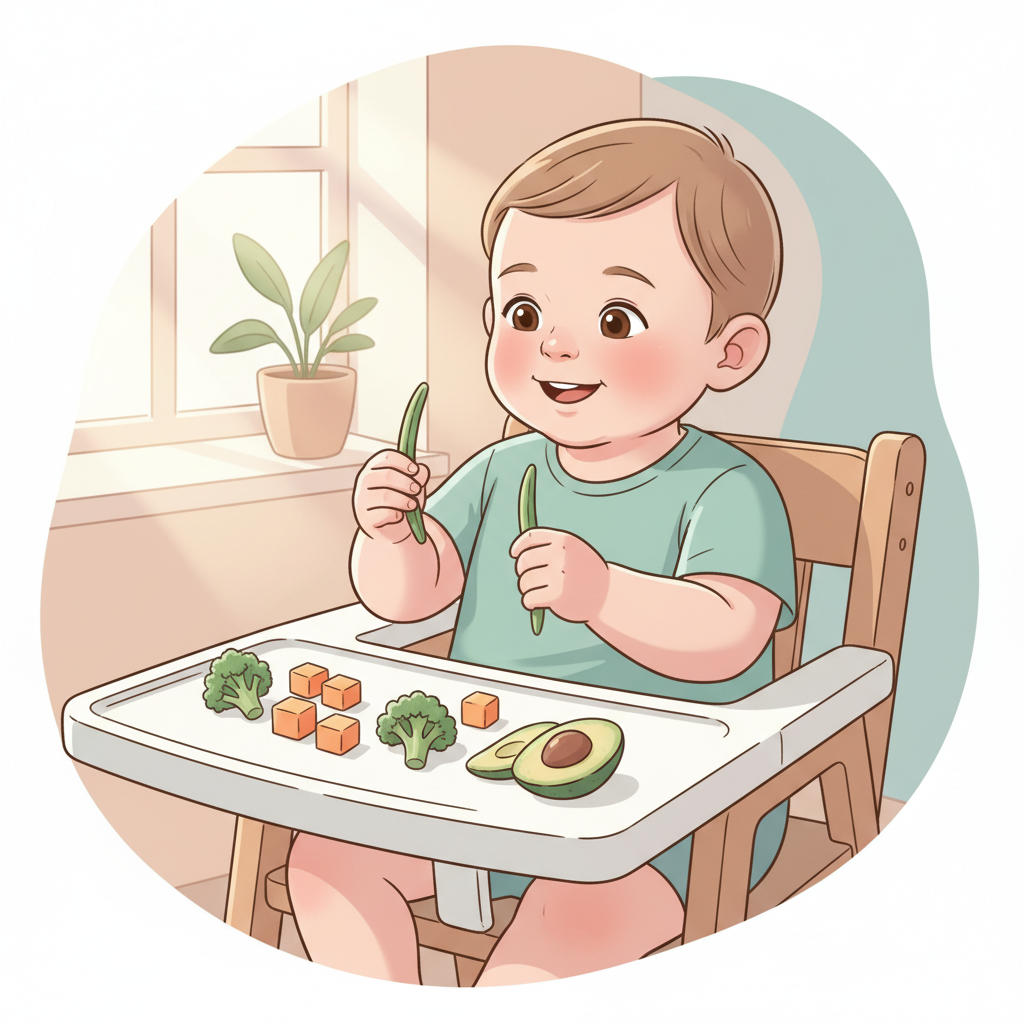
Baby-Led Weaning Safe Vegetables: Prep for Peace of Mind
Your baby is ready for solids – exciting! One of the most common questions caregivers have when starting baby-led weaning (BLW) is about choking hazards. Specifically, which baby-led weaning safe vegetables can you offer without worry? It’s a valid concern, and thankfully, with the right preparation, vegetables are fantastic, nutrient-rich starter foods for BLW.
Understanding What Puts Food at Risk (And Why Veggies Are Great)
So, what makes a food a potential choking hazard for babies? Generally, it's about the size, shape, and texture of the food. Foods that are round, coin-shaped, firm, or sticky can block a baby’s airway. This is why early BLW foods are often recommended in specific shapes and textures.
It’s also important to distinguish between gagging and choking. Gagging is a normal and common part of learning to eat. It’s often loud, involves the baby’s tongue sticking out, and they may cough or sputter to move the food forward. Choking, on the other hand, is silent or involves weak sounds, and is a true airway obstruction that requires immediate intervention. Understanding this difference can help calm nerves during mealtimes.
Vegetables, when prepared appropriately, are ideal baby-led weaning starter foods. They are packed with vitamins, minerals, and fiber. Their natural textures, once softened through cooking, are generally easy for babies to manage and explore with their gums.
Your BLW Veggie Starter Pack: The Safest Choices
When you're just beginning your BLW journey, focusing on soft textures is key. Think of vegetables that are easily mashable with your own fingers.
- Avocado: Naturally soft and creamy, avocado is a powerhouse of healthy fats. Serve it in thick, finger-length strips.
- Sweet Potato: When roasted or steamed until tender, sweet potato becomes soft enough to mash easily. Cut it into thick fries or wedges.
- Broccoli: Steam florets until tender. Offer the whole floret, or cut off the thickest part of the stem, ensuring the floret end is soft and easily graspable.
- Carrots: Steam or roast carrot sticks until they are soft enough to be easily pierced with a fork or squished between your fingers. The "finger-length, soft-enough-to-smash" rule is your primary guideline here.
- Green Beans: Steam them until tender. You can offer them whole if they are long enough for your baby to grasp, or cut them into shorter, manageable pieces depending on your baby's grip.
The general preparation advice for these early vegetables is to cut them into finger-length strips that are soft enough to be easily smashed between your fingers. This shape allows your baby to grip at one end, with the other end sticking out of their mouth, which is easier for them to manage.
Preparing Veggies: Cuts & Textures to Avoid Choking Risks
Mastering how to cut foods for baby led weaning 6 months and older is central to a safe experience. The "finger-length, soft-enough-to-smash" rule is a great starting point for many vegetables. This texture and size ensures your baby can manage the food with their gums.
Discover your baby's phase
As your baby develops their pincer grasp (using thumb and forefinger), you can gradually introduce smaller pieces. However, even then, ensure they are soft. For example, steamed peas can be offered and are small, but their softness makes them less of a risk than, say, a whole raw pea which can be round and firm.
There are certain foods that are always avoided for babies due to their high choking risk, regardless of preparation:
- Whole grapes or cherry tomatoes (must be quartered lengthwise)
- Nuts and seeds (offer as butter or ground)
- Popcorn
- Hard candies or gummies
- Raw, firm vegetables like raw carrot sticks
Advanced Veggies: Expanding Your Baby's Palate Safely
Once your baby has mastered the softer vegetables and you're both comfortable with the BLW process, you can begin introducing more fibrous or slightly firmer vegetables.
- Bell Peppers: Roasting or steaming until tender softens them considerably. You can offer them in strips or rings.
- Mushrooms: Cook mushrooms thoroughly until tender. Smaller mushrooms can be offered whole, while larger ones can be sliced or chopped.
When introducing less common veggies, always consider their natural texture and how cooking will affect it. For instance, zucchini can become quite soft when steamed or roasted. Asparagus spears, once cooked until tender, can be manageable with a good grip.
As you expand your baby's diet, continue to monitor for allergies and intolerances, especially when introducing new foods. Offer new foods one at a time and wait a couple of days before introducing another new item to easily identify any reactions.
Essential Safety Tips Beyond Food Prep
Food preparation is crucial, but it's only one part of ensuring a baby led weaning safe foods experience.
- Supervision is Non-Negotiable: The American Academy of Pediatrics (AAP) strongly emphasizes that babies should always be supervised when eating. Never leave your baby unattended at mealtimes, even for a moment.
- Safe Eating Environment: Ensure your baby is sitting upright in a high chair or appropriate feeding seat. They should be in a reclined position that supports their head and trunk, as recommended by feeding experts. They should be alert and awake, not drowsy or being fed while lying down.
- Know Infant CPR: While the goal is prevention, being prepared can provide immense peace of mind. Taking an infant CPR and choking response class is highly recommended for all caregivers involved in feeding your baby. Resources from organizations like the American Red Cross or American Heart Association can help you find a local class.
Introducing solids, whether through purees or baby-led weaning, is a significant milestone. By understanding choking risks, focusing on appropriate preparation, and prioritizing safety, you can help your baby explore the wonderful world of vegetables with confidence.
Remember, every baby is an individual. Consulting with your pediatrician is always a good step if you have specific concerns about your baby's feeding journey or any underlying health conditions.