Baby Monitor Features for Hearing Impaired Parents: A Guide
Discover essential baby monitor features for hearing impaired parents. This guide covers vibrating, visual, and smart alerts for peace of mind.
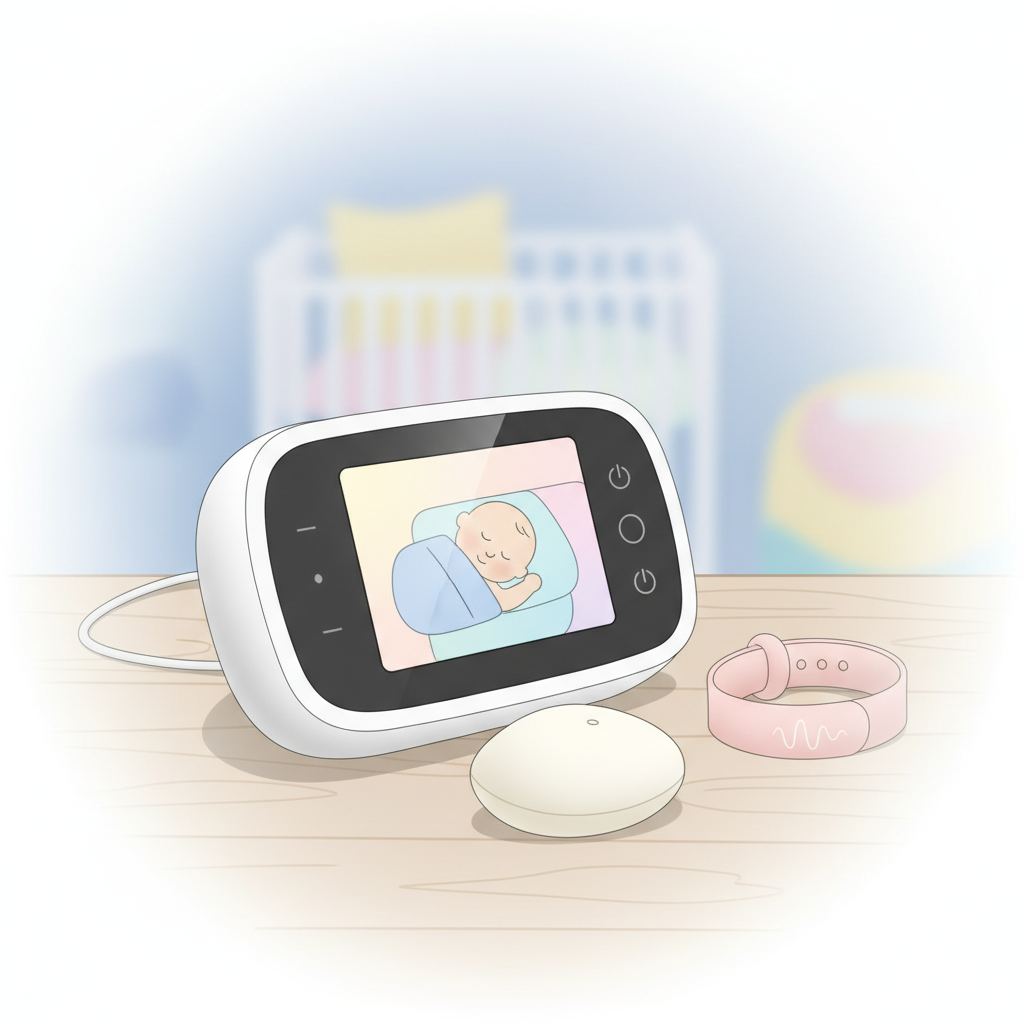
Baby Monitor Features: A No-BS Guide for Hearing Impaired Parents
In just 5 minutes, you'll know exactly which baby monitor offers critical peace of mind when auditory cues aren't an option. As a mom of twins and a former consultant, I’ve been there. My promise to you: no hours lost down Reddit rabbit holes, just the facts on baby monitors with features specifically for hearing impaired parents. Traditional monitors rely entirely on sound, which for many, is a non-starter. We need reliable visual and tactile alerts. This guide cuts through the noise (or lack thereof) to show you what truly matters.
When Sound Isn't the Answer: The Monitor Gap
The core function of a baby monitor is to alert you if your little one needs attention. For parents with hearing impairments, this fundamental feature is often inaccessible. Relying solely on sound means missing crucial cries, coughs, or even just stirring sounds that signal your baby is awake or distressed.
- The Silent Challenge: Imagine being asleep and missing a cry. It’s a parent’s worst fear, magnified significantly when auditory alerts are absent. Your home might be filled with sounds you can’t perceive, potentially putting your baby’s needs at risk.
- Hearing Spectrum: Hearing loss exists on a wide spectrum. Some parents might have mild to moderate hearing loss, where certain sounds can be detected with aids but are still unreliable for deep sleep. Others may have profound hearing loss, rendering auditory alerts completely useless. Your monitor choice needs to match your specific needs, not a generic one-size-fits-all approach.
Beyond the Beep: Essential Monitoring Features
We need monitors that communicate urgency through other senses. Thankfully, technology has evolved to offer robust alternatives.
Tactile Alerts: Feel the Alert
Vibrating alerts are perhaps the most critical feature for parents who are deaf or hard of hearing.
- Pagers/Wearables: Many systems include a small, portable pager or wristband that vibrates intensely when the baby unit detects noise or movement. These are designed to be worn on your person or kept very close.
- Clip-on Receivers: Similar to pagers, these units can clip onto clothing or a belt, ensuring you feel the alert even if you’re moving around the house.
- Base Station Vibration: Some systems might simply have a base station that vibrates, but this is less ideal as you need to be in direct contact with it.
Visual Cues: See What’s Happening
Visual alerts are non-negotiable and often work in conjunction with vibration.
- Flashing Lights: Most monitors will have LED lights that flash when sound is detected. The intensity and color can vary. Look for bright, distinct lights.
- Video Screens: This is where video monitors shine. They provide a constant visual feed of your baby. Essential video features include:
- Pan, Tilt, Zoom (PTZ): Allows you to remotely adjust the camera's view.
- Night Vision: Crucial for monitoring in low light conditions. Infrared is standard.
- Splitscreen/Multi-camera: If you have more than one child, you can view multiple feeds simultaneously.
- Color-Coded Alerts: Some advanced systems use app notifications with color coding to indicate the type or severity of an alert (e.g., red for crying, yellow for cooing).
Smart Connectivity: Informed, Wherever You Are
The integration of smart technology has revolutionized baby monitoring, offering enhanced flexibility.
- App Integration: This is key. A good app should send push notifications directly to your smartphone or smartwatch. This bypasses the need for a separate physical receiver if your phone is always with you. The best baby monitor for apartment living thick walls might also offer robust app features.
- Smart Sensors: Beyond sound detection, some monitors incorporate additional sensors like motion detection (PIR sensors) or even room temperature/humidity monitors, providing a more comprehensive picture.
- Two-Way Talk: While not a primary alert system, the ability to speak to your baby through the monitor can sometimes soothe them, potentially preventing a full wake-up and cry.
Top Contenders for Hearing Impaired Parents (and Heavy Sleepers!)
Let's look at some market players, focusing on those with a strong track record for alternative alerts. The need for strong, non-auditory alerts also makes these baby monitors ideal for heavy sleepers.
Discover your baby's phase
Bellman & Symfon: A Dedicated Deaf-Friendly Option
Bellman & Symfon specifically caters to individuals with hearing loss. Their systems are designed with these needs at the forefront.
- What to Look For: Typically includes a highly sensitive microphone, a vibrating pager or wristband, and a visual alert unit. Microphone sensitivity is often adjustable. Consider this alongside the need for a budget friendly sound machine with no wifi hackable for a complete sleep environment.
- Pros: Purpose-built for hearing impairment, reliable vibration, often good range.
- Cons: Can be more expensive, might lack the advanced video features of mainstream competitors.
Geemarc: Another Strong Player
Geemarc also offers baby monitors designed for the hearing impaired, focusing on robust vibrating and visual alerts.
- Key Features: Similar to Bellman & Symfon, expect powerful vibrating pagers and visual light indicators. Some models may integrate with their broader range of telecare products.
- Pros: Strong focus on vibration and visual alerts, often competitively priced within the niche.
- Cons: Video quality might not be as high-end as top-tier video monitors.
Modern Video Monitors with Excellent App Integration
Many mainstream video baby monitors can be effective tools for hearing impaired parents if they have excellent app support.
- How They Work: You'll use the app on your smartphone or smartwatch. When the monitor detects sound (or motion), your phone receives a push notification, which can be set to vibrate strongly and/or flash its screen, creating a powerful alert.
- Best for: Parents attached to their smartphone who prefer a digital notification system. Also excellent for those who need to monitor from a distance.
- When to Skip: If you don't want to be tied to your phone, or if your phone's notification reliability is questionable.
The Verdict: Best Vibrating Baby Monitor for Deaf Parents
Honestly, there isn't a single "best" vibrating baby monitor for all deaf parents, as needs vary. However, if your primary concern is a standout vibrating alert, dedicated systems like those from Bellman & Symfon or Geemarc are excellent choices. If you prefer a comprehensive package with video and are comfortable relying on app notifications, a high-quality video monitor from brands like Infant Optics, Eufy, or Nanit, coupled with a good smartwatch, can be equally effective. The key is the reliability of the vibration and visual notification stream.
Building Your Personal "Peace of Mind" Checklist
Before you click "buy," run potential monitors through this checklist.
- Battery Life & Range:
- Parent Unit: How long does the vibrating pager/receiver last on a charge? Can you easily recharge it or swap batteries? You don't want it dying mid-nap. This is crucial if you're battling surviving postpartum insomnia with a newborn.
- Camera Unit: Consider battery backup for the camera unit in case of a power outage. This ties into safely storing breast milk during a power outage too.
- Range: Ensure the monitor’s range is sufficient for your home size and layout. Walls and distance can degrade signal strength.
- Ease of Use & Setup:
- Intuitive Interface: Can you set it up and adjust settings without difficulty? For vibrating units, is it simple to pair?
- App User-Friendliness: If using an app, is it clean, responsive, and easy to navigate?
- Safety & Security:
- Encrypted Connection: If it’s a Wi-Fi or app-based monitor, the connection must be secure to prevent unauthorized access. Look for the latest encryption standards.
- FDA/FCC Compliance: Ensure the device meets safety standards.
Maximizing Your Monitor's Effectiveness
A great monitor needs a smart strategy to be truly effective.
- Strategic Placement:
- Camera: Position the camera for a clear, unobstructed view of your baby. Avoid placing it where blankets or toys could cover it. For sound detection, ensure the microphone isn't muffled.
- Receiver: Keep your vibrating pager or clip-on receiver on your person, especially when you're most likely to be asleep or in a noisy part of the house.
- System Integration: Consider integrating your baby monitor with other smart home devices if possible. For example, some systems might allow linkage to smart lights that can be programmed to flash upon an alert, providing an additional layer of visual warning.
- When to Get Help: If you’ve tried several options and still feel anxious, consult with a professional who specializes in assistive technology for hearing impairments. They can offer personalized recommendations and potentially suggest custom solutions.