Baby Only Sleeps in Swing? How to Transition to Crib Safely
Is your baby only sleeping in their swing? Learn safe and gentle methods to transition your little one from swing to crib, establishing healthy sleep habits.
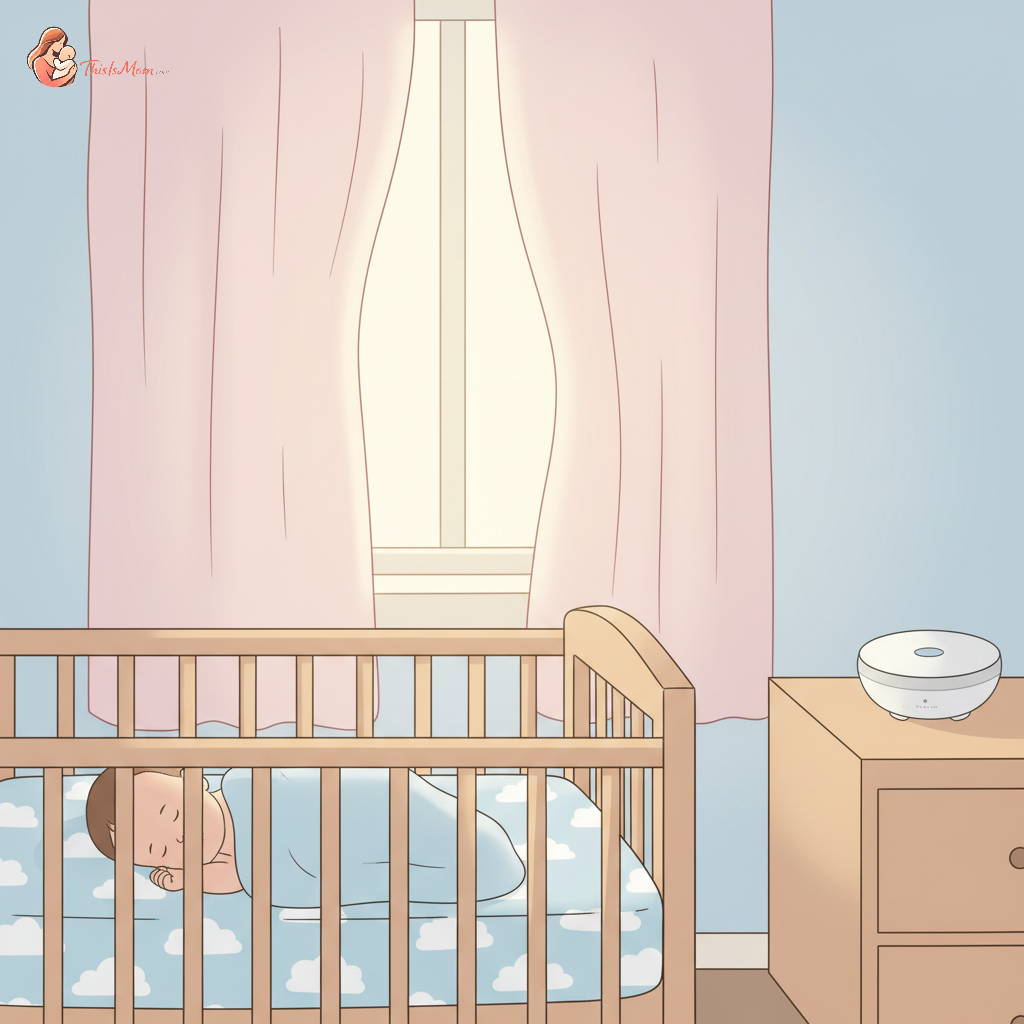
Baby Only Sleeps in Swing? How to Transition to Crib Safely
It was 2:17 a.m. when I finally tiptoed out of Noah’s room, the rhythmic hum of his swing still vibrating in my ears. He was finally asleep, his tiny body nestled in that familiar cradle. And I stood in the hallway, bone-deep tired, and whispered to myself, “Is this it? Is this how it’s always going to be?” If you're a parent whose baby only sleeps in the swing, how to transition to crib safely is probably on your mind at 2:17 a.m., too. You’re not alone.
Honestly, swings are magical for a reason. They mimic that gentle rocking we associate with the womb, the motion can be incredibly soothing, and sometimes, it’s the only thing that quiets a fussy baby. For a while, it felt like our swing was the superhero that saved us from endless hours of rocking. It’s okay to have relied on it, especially during those early, overwhelming weeks.
But here’s the thing: as amazing as swings are for short-term comfort, they’re not a long-term safe sleep solution. The American Academy of Pediatrics (AAP) has clear guidelines for safe sleep, designed to reduce the risk of Sudden Infant Death Syndrome (SIDS) and other sleep-related infant deaths. This means babies should always sleep on their backs on a firm, flat sleep surface, like a crib or bassinet, with no loose bedding. Swings, by their very nature, have an incline, which isn't recommended for prolonged sleep.
Getting Ready for the Big Crib Move
The first and most important question is: when is it okay to even think about moving your little one from the swing to the crib? Safety is the absolute priority here. Pediatricians and sleep experts generally recommend making the transition when your baby is no longer a newborn and has outgrown any infant inserts or supports that helped them fit snugly in the swing. More importantly, if your baby is showing signs of rolling over, it's time to stop using the swing for sleep immediately. A swing is not a safe place for a baby who can roll.
Once you've determined it's the right time, let’s talk about making that crib a cozy haven. Think of it as creating a sleep sanctuary. This means:
- Firm and Flat: A firm mattress is non-negotiable. No soft surfaces, no bumpers, no extra blankets, pillows, or stuffed animals. Just a fitted sheet.
- Cool and Dark: A slightly cooler room temperature (around 68-72°F or 20-22°C) is ideal for sleep. Blackout curtains can be your best friend for creating a dark environment, signaling to your baby’s brain that it’s time to rest.
- White Noise: A consistent, low-level white noise machine can mimic the sounds of the womb and help block out household noises that might startle your baby awake.
And to make the crib feel as inviting as the swing, consistency is key. Start establishing a calm and predictable bedtime routine. This might include a warm bath, a gentle massage, putting on pajamas, a quiet feeding, and a few minutes of cuddles. The goal is to signal to your baby that this sequence of events leads to sleep.
Gentle Ways to Go from Swing to Crib
Okay, so you’re prepped. Now, how do you actually do it? There are a few approaches, and what works for one family might not work for another. It's about finding the right balance for your baby.
The "Gradual Weaning" method is often the most gentle approach. This is where you start to slowly reduce the time your baby spends in the swing.
- Shorten Swing Time: Begin by only letting your baby sleep in the swing for shorter periods during the day.
- Nap Practice: Try putting your baby down for one nap in their crib each day. If it’s a struggle, don’t force it, but keep trying. transition-baby-co-sleeper-to-crib-own-room
- Post-Swing Transfer: If your baby falls asleep in the swing, try to gently transfer them to the crib while they’re still drowsy. Don’t worry if they wake up; try to resettle them in the crib.
- Night Feeds: For night wakings, if your baby is used to going back to sleep in the swing, try rocking them back to sleep in the crib instead.
This method requires patience, but it’s a slow and steady way to help your baby adjust.
Discover your baby's phase
Then there’s the "Cold Turkey" method. Honestly, this can feel daunting, but for some babies and parents, it’s the quickest way to get there. If you choose this path, you’ll need to commit to only putting your baby down in their crib or bassinet for sleep, both day and night.
- Preparation is Key: Make sure the crib environment is as perfect as possible (see above!).
- Embrace the Fuss: Expect more fussiness and resistance initially. Stick to your consistent bedtime routine.
- Comfort Measures: Be ready with other soothing techniques like rocking, patting, or singing in the crib until they settle.
This method demands consistency and a strong resolve from you. You’ll likely have more wake-ups and crying in the short term, but some babies respond well to the clear message that the swing is no longer an option.
No matter which method you lean towards, don't forget the power of familiar comforts. Your baby finds security in certain things.
- Swaddling: If your baby is still in the swaddle stage and it was part of their swing sleep, continue it in the crib. Ensure it's snug but safe, with hips loose.
- Scent: Sometimes, a worn t-shirt that smells like you can provide a sense of comfort in the crib.
- White Noise: As mentioned, this is a game-changer for many babies transitioning from the constant hum of a swing.
Making Crib Sleep Feel Right
Transitioning isn’t just about a few days; it’s about building new habits. Daytime naps in the crib are crucial for this. Think of them as low-stakes practice sessions. If a nap doesn't go perfectly, it’s okay. You haven’t lost the whole night.
The "drowsy but awake" technique is a cornerstone of crib sleep training. The idea is to put your baby down when they are sleepy and relaxed, but not quite asleep. This allows them to learn to fall asleep independently in their crib. It's a skill, and like any skill, it takes practice.
Of course, no transition is without its bumps. You might encounter more wake-ups, or your baby might protest being put down in the crib. When this happens, take a deep breath.
- Check the Basics: Is your baby hungry, too hot, too cold, or needing a diaper change?
- Resettle Gently: If they wake up, try to resettle them in the crib with soothing techniques before resorting to picking them up.
- Know When to Take a Break: If your baby is truly inconsolable, sometimes picking them up, calming them, and then trying again after a short break is best.
Navigating the Wobbles and Finding Your Tribe
There will be days when it feels like you’ve taken two steps forward and three steps back. This is normal. Your baby is adjusting to a huge change, and so are you. Don't let setbacks discourage you.
If you’re finding the swing-to-crib transition elusive, or if you’ve tried everything and still feel stuck, it’s always okay to reach out for professional advice. Your pediatrician can rule out any underlying medical issues and offer guidance. Sometimes, a certified pediatric sleep consultant can provide personalized strategies and support tailored to your baby’s specific needs. There's no shame in seeking a little extra help to get everyone sleeping better.
Ultimately, this journey is about patience and self-compassion. You are doing an amazing job, even when it feels like you’re just winging it (which, let’s be real, we all are, a lot of the time).