Baby Sleeps on Side After Rolling: Is It Safe? AAP Guide
Is it safe for your baby to sleep on their side after they start rolling? Learn the American Academy of Pediatrics' (AAP) guidance on safe sleep for rolling infants.
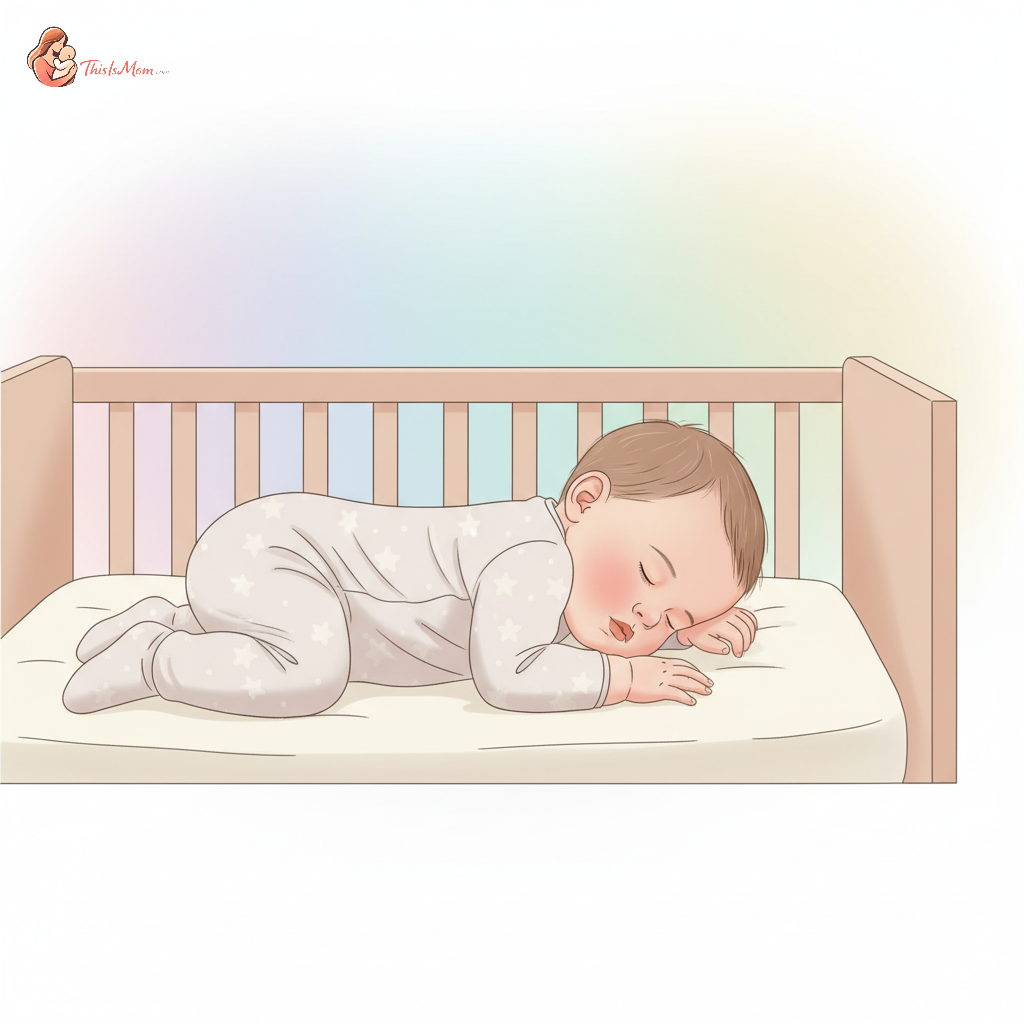
Is It Safe for Baby to Sleep on Their Side After Rolling? Understanding AAP Guidance
Your baby has learned to roll over! It's an exciting developmental milestone, but it also brings new questions about safe sleep. Specifically, is it safe to let baby sleep on their side in the crib after rolling? This is a common concern for parents, and the American Academy of Pediatrics (AAP) provides clear guidance to help navigate this transition.
Understanding Safe Sleep: The Foundation
Before discussing rolling, it's essential to revisit the foundational principles of safe infant sleep. The AAP's recommendations are designed to significantly reduce the risk of Sudden Infant Death Syndrome (SIDS) and other sleep-related infant deaths.
Why 'Back to Sleep' is Crucial from Day One
The most critical recommendation for safe sleep is to always place your baby on their back for every sleep, including naps and nighttime. This "Back to Sleep" campaign has been instrumental in lowering SIDS rates. Placing a baby on their back minimizes the risk of their face becoming covered by soft bedding, which can obstruct breathing.
The Science Behind Safe Sleep Recommendations
Research underpinning these guidelines focuses on creating an environment that promotes healthy breathing and alertness for infants. Factors like avoiding overheating, keeping the sleep space clear of loose items, and placing the baby on a firm sleep surface are all part of a comprehensive strategy. The goal is to create a secure and predictable sleep setting.
The Big Milestone: When Baby Starts Rolling
Watching your baby master new skills is one of the joys of parenthood. Rolling over is a significant sign of developing muscle strength and coordination.
Recognizing Your Baby's Rolling Skills
Most babies begin to show signs of rolling between 4 and 6 months of age. This often starts with rolling from tummy to back, and then later, from back to tummy. This development is a sign of progress, not a reason to panic about their sleep position.
Rolling Over: A Sign of Development, Not a Sleep Hazard
When your baby can consistently roll over in both directions (from back to tummy, and tummy to back), the AAP's guidance on sleep position shifts slightly. It's a sign that they have the strength and ability to move themselves into different positions. This developmental progress is key to understanding safe sleep moving forward.
Sleeping on Their Side (or Stomach) After Rolling: What the AAP Says
This is where many parents get confused. You've been diligent about placing your baby on their back, and now they're rolling themselves onto their side or stomach. What's the next step?
The Key Guideline: Place on Back, Allow to Choose
The AAP's primary recommendation remains: always place your baby on their back to sleep. However, if your baby is able to independently roll from back to tummy and tummy to back, they are generally considered to have outgrown the need for constant repositioning. This means if they roll onto their side or stomach on their own during sleep, it is usually safe to allow them to remain in that position.
Why Repositioning Isn't Necessary Once They Roll Independently
Discover your baby's phase
Once a baby has mastered rolling in both directions, their ability to move and adjust their own head and body makes them less vulnerable to suffocation from their sleep position. They can often shift their head to breathe more freely. Therefore, if your baby rolls themselves onto their side or stomach, the guidelines suggest that you do not need to repeatedly return them to their back throughout the night.
Dispelling Common Worries About Sleep Position Changes
It's natural to worry when your baby isn't in the "ideal" back-sleeping position. However, for babies who can consistently roll, the risk is significantly lower. The crucial distinction is whether you placed them on their side or stomach, versus them rolling there themselves. Always start them on their back; if they roll, let them be.
Ensuring a Safe Sleep Environment (Still Essential!)
While the rules around sleep position may evolve as your baby develops, the importance of a safe sleep environment remains constant. These practices are non-negotiable for all infants.
Clear Crib Policy: No Bumpers, Blankets, or Toys
A truly safe sleep space is a bare sleep space. This means no loose blankets, pillows, crib bumpers, or stuffed animals should be in the crib with your baby. These items pose a suffocation risk. A pacifier is typically the only recommended item.
Firm Mattress and Fitted Sheet: Non-Negotiables
Ensure your baby sleeps on a firm, flat mattress covered by a tightly fitted sheet. Avoid soft surfaces like adult beds, couches, or recliners for unsupervised sleep. The firm surface helps prevent a baby's face from sinking into the mattress.
Room Sharing vs. Bed Sharing: Reaffirming Recommendations
The AAP recommends room sharing (keeping your baby's crib or bassinet in your bedroom) for at least the first six months, and ideally up to one year. This practice has been shown to decrease the risk of SIDS by as much as 50%. However, bed sharing (sleeping in the same bed as your baby) is not recommended due to the increased risk of suffocation, strangulation, or entrapment.
When to Talk to Your Pediatrician
While the AAP guidelines offer general advice, every baby is unique. If you have any concerns, it's always best to discuss them with your child's healthcare provider.
If Your Baby Can't Roll Back from Their Stomach
If your baby can roll from back to tummy but struggles to roll back to their back, or if they are not yet consistently rolling in either direction, continue to place them on their back for sleep. If you notice any difficulties or have concerns about their ability to move freely, bring it up with your pediatrician.
Concerns About Development or Sleep Patterns
Any worries you have about your baby's development, sleep quality, or overall well-being are valid reasons to seek professional advice. Your pediatrician can provide personalized guidance.
Any Other Sleep-Related Questions or Anxieties
Navigating infant sleep can be challenging. Whether it's about sleep position, wake windows, or anything else, your pediatrician is your best resource. They can offer tailored advice based on your child's specific health and developmental stage.
These guidelines are designed to provide clarity and reassurance. Trust your instincts, follow the evidence-based recommendations, and always keep the lines of communication open with your pediatrician. They are your partner in ensuring your baby's health and safety.