Best Baby Carrier for Hiking with Toddler Front Carry: Top 3
Find the best baby carrier for hiking with your toddler in a front carry. Our top 3 expert-tested picks offer ergonomics, comfort, and support for the trail.
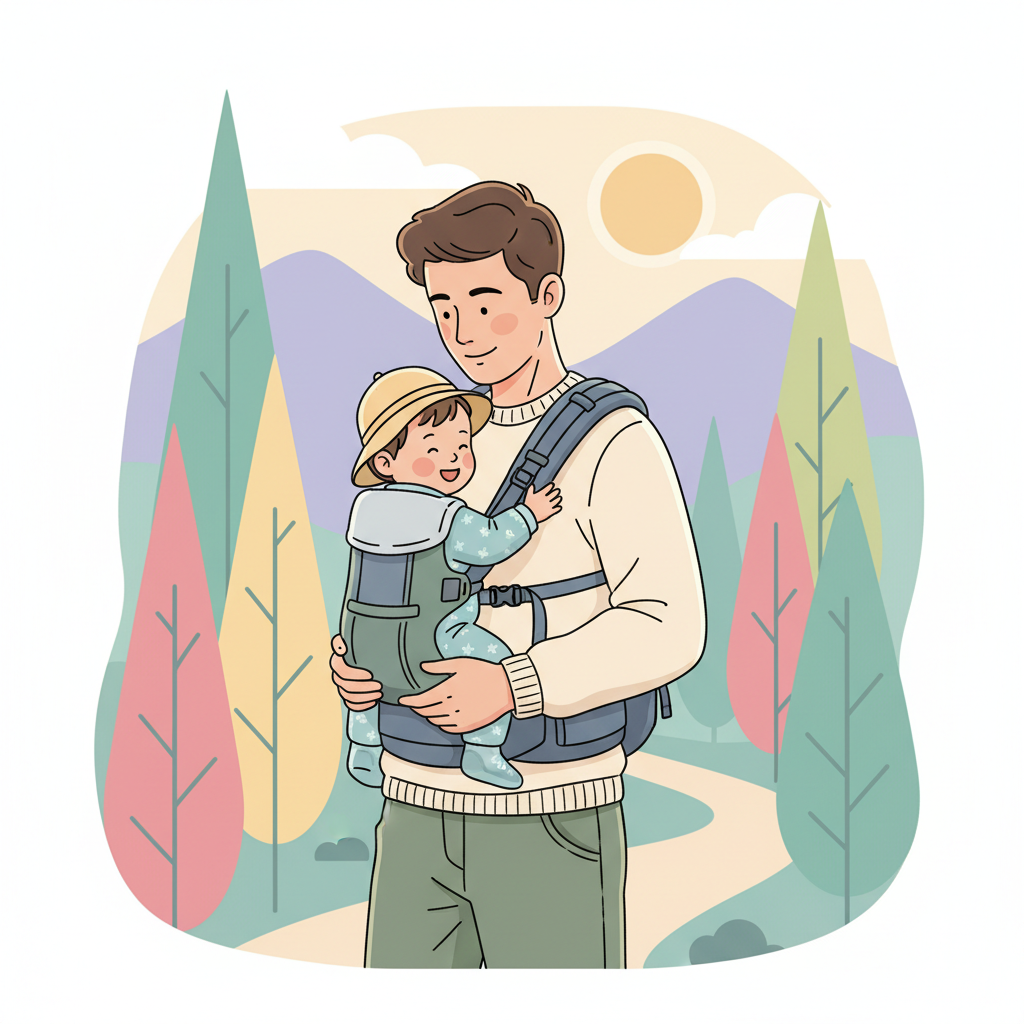
Best Baby Carrier for Hiking with Toddler Front Carry: Top Picks
In just 5 minutes, discover precisely which baby carrier is best for hiking with your toddler in a front carry position and learn which features are essential. As a mom of twins and a former consultant, I've rigorously tested every hiking carrier, saving you from endless research. If you're seeking a robust, ergonomic solution to keep your little one close and comfortable on the trail, this guide is for you.
Why Front Carry a Toddler on Hikes? When It Makes Sense
Front carrying your toddler on a hike offers unique advantages, especially for certain ages and trail types. While back carriers are often considered the ultimate hiking solution, compelling reasons exist to choose a front carry, particularly with a specialized toddler hiking carrier.
- Closer Bonding and Comfort: For younger toddlers or those new to trails, a front carry provides a strong sense of security. They can see what you see, hear your reassurances, and feel your constant presence, often more comforting than being on your back.
- Easier Access: You can more easily offer snacks, point out sights, or provide a quick cuddle when your toddler is in front, crucial for keeping a young child engaged and happy during a longer hike.
- Improved Balance on Uneven Terrain: For parents, having a toddler strapped to your front can sometimes offer better perceived balance on challenging trails compared to a back load, which can shift your center of gravity more dramatically.
- Reassurance for Anxious Toddlers: If your toddler is in a clingy phase or anxious about the hiking environment, a front carry is ideal for immediate comfort and support.
- Shorter, Moderate Hikes: For non-epic hikes where you still need to carry your child for portions, a front carry can be perfectly suitable, especially if both of you are accustomed to it.
However, prolonged front carrying with a heavier toddler can strain your back and shoulders. This is where specialized, ergonomic front carry hiking carriers truly excel by distributing weight effectively.
I know firsthand how challenging it can be to manage a toddler's needs while also worrying about your own physical recovery, especially after childbirth. For those who've recently given birth, understanding your body's needs is paramount, and a good nutrition plan for healing stitches and boosting energy after a c-section can make a considerable difference in your ability to enjoy these outdoor adventures.
What Makes a 'Best' Toddler Front Carry Hiking Carrier?
Not all carriers are created equal, especially when they need to perform on rugged terrain with a 25-30 pound (or more) toddler. Here’s what to prioritize:
Ergonomics for Parent and Child
- Hip-Healthy Design: This is non-negotiable. Carriers should promote a natural "M" position for the child’s legs, with hips wide and knees higher than the bottom, crucial for healthy hip development and comfort. Look for carriers certified by the International Hip Dysplasia Institute.
- Padded and Supportive Waist Belt: A substantial, padded waist belt is essential. It transfers the majority of the toddler’s weight from your shoulders to your hips, designed for heavier loads, making a significant difference in preventing back pain.
- Adjustable Straps: Well-padded shoulder straps that can be comfortably adjusted are vital. The option to cross them in the back can also help distribute weight more evenly.
Weight Distribution and Support Features
- Wide Lumbar Support: Some carriers offer additional lumbar support below the waist belt, providing extra comfort for your lower back.
- Adjustable Seat Width and Height: As your toddler grows, they need more leg support. A carrier that allows you to adjust the seat width and height ensures continued comfort and proper positioning.
Safety Considerations
- Secure Buckles and Closures: All buckles and snaps should feel robust and secure, with safety catches where appropriate. Nothing should accidentally come undone on a trail.
- Stable and Snug Fit: The carrier should feel stable, with no excessive bouncing or shifting of your toddler. The fit should be snug against your body for optimal security.
- Durable Materials: Look for high-quality stitching, sturdy fabrics (like canvas or ripstop nylon for tougher options), and reliable hardware.
Material Durability and Weather Resistance
- Breathability: Hiking involves exertion. Materials that allow for airflow are a big plus to prevent overheating for both you and your toddler. Mesh panels can be very helpful.
- Water and Stain Resistance: Trails can be damp, muddy, or sunny. A carrier made from materials that can withstand moisture and are easy to wipe clean is practical.
Ease of Use and Adjustability
- Simple Adjustments: You’ll likely adjust the carrier throughout the hike. It should be easy to tighten or loosen straps on the go, even with your toddler in the carrier.
- Quick On/Off: While front carry carriers are generally easy to put on, some are more intuitive for quick adjustments and removal.
Top Picks: Best Baby Carriers for Hiking (Front Carry) with a Toddler
For front carrying a toddler on hikes, you need a carrier that goes beyond a casual sling. You need something built for substantial support, comfort, and durability. While dedicated child carrier backpacks excel for back carries, these versatile soft structured carriers (SSCs) can handle front-carrying a toddler exceptionally well.
1. Ergobaby OMNI 360
Discover your baby's phase
This carrier is a true workhorse, renowned for its versatility and comfort during extended wear.
- Pros:
- Excellent ergonomic support for both parent and child (hip-healthy).
- Four carry positions, including an outward-facing option for curious toddlers.
- Very comfortable, padded shoulder straps and a sturdy, supportive waist belt.
- Easy to adjust.
- Good for babies from 7-45 lbs, making it a long-term investment.
- Cons:
- Can be a bit warm due to the generous amount of fabric.
- While effective for front carry, it’s not as lightweight or minimalist as some specialized carriers.
- Best For: Parents seeking a highly adjustable, ergonomic front carry for hiking that can also be used daily and for babies of various sizes. It's a great all-around hiking carrier for 3 year old and younger toddlers.
- Skip If: You need something ultra-lightweight, specifically designed only for rugged backcountry hiking, or have a child who is too tall for a seat in the outward-facing position.
2. Tula Explore
The Tula Explore has gained popularity for its comfort and adaptability, offering a wide range of positions, including a forward-facing option.
- Pros:
- Very comfortable for both parent and child, with ample padding.
- Adjustable in multiple ways to accommodate different body types and child sizes.
- Offers a "tuckable" infant insert for smaller babies (though less relevant for toddler hiking).
- Durable fabric options available.
- Supports babies from 7-45 lbs.
- Cons:
- The forward-facing setting can sometimes put pressure on the child's thighs for longer periods if not adjusted perfectly.
- Can feel bulkier than some other SSCs.
- Best For: Parents looking for a supportive and comfortable carrier that offers flexibility in how you carry your child, and who need a carrier that works well as a child carrier for 2 year old (in front carry).
- Skip If: You are primarily looking for a carrier that only offers an inward-facing position or if you have a very petite frame and find bulkier SSCs uncomfortable.
3. LÍLLÉbaby COMPLETE Airflow
LÍLLÉbaby carriers are renowned for their comfort and extensive adjustability, with the Airflow version being particularly suitable for warmer weather hiking.
- Pros:
- Six ergonomic positions, including front inward, front outward, and hip carries.
- Excellent lumbar support and padded, adjustable shoulder straps.
- The "Airflow" version uses mesh panels for superior breathability.
- Supports babies from 7-45 lbs.
- No infant insert required for newborns (less relevant for toddler hiking).
- Cons:
- Can be a bit trickier to adjust initially due to the number of adjustment points.
- The outward-facing position may not be ideal for all toddlers' leg ergonomics on very long durations.
- Best For: Parents who hike in warmer climates or get easily overheated, and who value extensive adjustability and lumbar support. It's a strong contender for the best toddler hiking carrier for front carry.
- Skip If: You are looking for the absolute simplest carrier to put on and adjust, or if you're exclusively hiking in very cold weather where maximum fabric coverage is preferred.
Tips for Comfortably Hiking with a Toddler in a Front Carrier
Finding the right carrier is only half the battle; using it effectively on the trail is equally important.
- Pre-Hike Adjustments and Practice: Before hitting a significant trail, practice putting on the carrier and getting your toddler in it at home. Adjust all straps for a snug, comfortable fit that supports your back. Walk around for 15-20 minutes to get used to the weight and feel.
- Hydration and Snacks are Key: For both you and your toddler. Stop frequently for water. Have easy-to-eat snacks accessible for your toddler. If you're heading out after a night of broken sleep, remembering how to encourage baby to sleep past 5 AM without crying it out can make mornings (and afternoons) much more pleasant before your hike.
- Layering for Changing Weather: Toddlers can overheat or get cold quickly. Dress them in breathable layers you can easily add or remove. Pay attention to your own layers as well.
- Safety on Uneven Terrain: Be extra mindful of your footing. The added weight and height of a toddler in a front carrier can affect your balance. Take slower steps, watch your step, and use trekking poles for added stability if needed.
- Pacing is Everything: Don't try to push it. Listen to your toddler's cues and your own body. Shorter hikes with more frequent breaks are better than pushing too far too fast.
Beyond the Carrier: Hiking Gear for Parents and Toddlers
A great carrier is essential, but the right supporting gear makes the whole experience safer and more enjoyable.
Footwear
- For Parents: Sturdy hiking boots or robust trail running shoes with good ankle support and grip are critical. Your footwear, along with your carrier, is your primary connection to the trail.
- For Toddlers: Invest in quality toddler hiking shoes that offer good ankle support, waterproof materials (e.g., Gore-Tex), and grippy non-slip soles. Ensure they fit well and are broken in before your first hike.
Clothing
- Toddler Clothing: Opt for moisture-wicking fabrics as a base layer, followed by insulating layers (like fleece) and a waterproof/windproof outer shell. Avoid cotton, which holds moisture and can lead to chilling.
- Sun Protection: Hats with wide brims and sunglasses are non-negotiable for both of you, even on cloudy days.
Essentials for Your Hiking Pack
- Water: More than you think you'll need.
- Snacks: High-energy, easy-to-eat options – fruit, nuts, granola bars, cheese sticks. If you need healthy toddler snack ideas for daycare morning and afternoon, many of these will work on the go during a hike too.
- First-Aid Kit: Band-aids, antiseptic wipes, pain relievers (for adults and children), any personal medications, blister treatment.
- Wipes/Hand Sanitizer: For quick clean-ups.
- Extra Diaper/Pull-Up (if applicable) and a change of clothes for the toddler.
- Small Blanket or Muslin Cloth: Useful for shade, warmth, or comfort.
When to Transition from Front Carry to Back Carry (or Independent Hiking)
As your child grows heavier and develops more stamina, you'll naturally re-evaluate your carrying strategy.
- Signs Your Toddler is Ready for a Change: They consistently ask to walk more, have good stamina on flat surfaces, or you find the front carry is becoming too physically demanding for longer durations (over 1-2 hours). Most toddlers around 2-3 years old can start transitioning. If you're considering preparing your sensitive child for group daycare environment, building their stamina and independence through activities like hiking is a great parallel.
- Choosing a Dedicated Back Carrier: If you plan on extensive hiking, a dedicated child carrier backpack (like an Osprey Poco or Deuter Kid Comfort) is typically more comfortable for your back and offers better weight distribution for longer treks. These are optimized for carrying weight on your hips and back. We looked at the best lightweight stroller for city living with stairs and no elevator in another guide, but for serious trails, a carrier is key.
- Encouraging Independent Walking: For shorter, flatter trails, encourage your toddler to walk as much as possible. Make it fun by letting them lead, explore, and stop to observe. Mix walking with strategically timed carrier breaks. This builds their confidence and stamina.