Best Baby Carrier for Plus-Size with Back Pain Support
Discover the top baby carriers designed for plus-size parents with back pain. Find ergonomic options like Ergobaby, Tula, and LÍLLÉbaby for ultimate comfort and support.
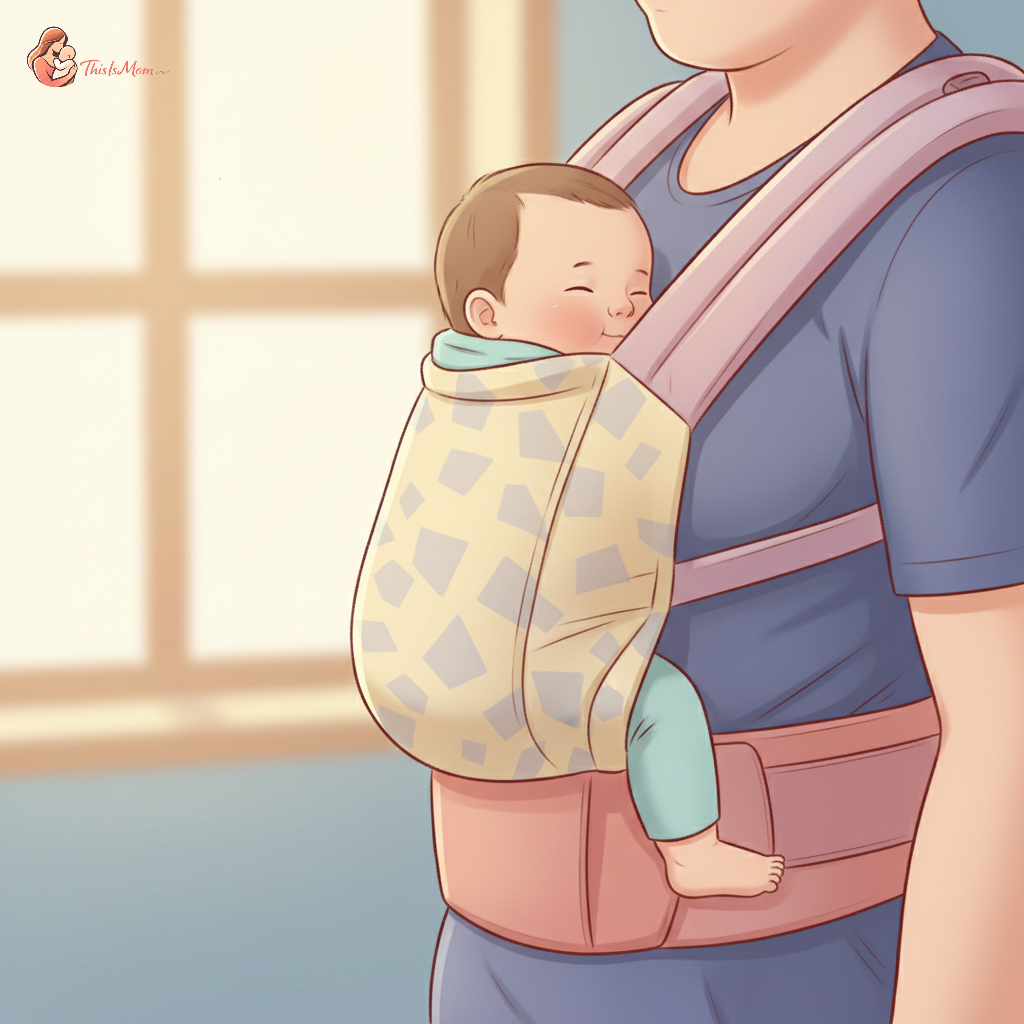
The No-BS Guide to Baby Carriers for Plus-Size Parents with Back Pain Support
In just 5 minutes, you'll discover exactly which baby carrier can finally end your search for comfortable, supportive carrying. As a mom of twins who's also dealt with back pain, I've wrestled with carriers that dig, pinch, and leave me sore. The market is flooded, and frankly, a lot of it is made for a very specific body type that isn't mine — or yours. This guide cuts through the noise to pinpoint the carriers that actually deliver on comfort and back support for plus-size parents with back pain.
Why the Wrong Baby Carrier is a Nightmare for Plus-Size Parents
Let’s be blunt: standard baby carriers often don’t account for larger bodies. This isn't about blame; it's about design. Many waist belts are too narrow, shoulder straps don’t extend enough, and padding is nonexistent where you need it most. This leads to:
- Pain Points: Pressure on hips, digging into shoulders, and zero lumbar support. Your lower back takes the brunt of the weight.
- Poor Weight Distribution: Instead of distributing weight evenly across your hips and back, it all concentrates on your shoulders and spine.
- Discomfort for Baby: An ill-fitting carrier can also mean an awkward, unsupported position for your little one.
When you’re carrying a growing baby, proper support isn’t a luxury – it's a necessity to avoid chronic back issues.
Must-Have Features for Ergonomic Baby Carriers for Plus-Size Parents
Choosing the right carrier means looking beyond just cute patterns or brand names. Focus on these critical design elements for a plus-size baby carrier that supports your back:
For Your Comfort:
- Wide, Heavily Padded Waist Belt: This is non-negotiable. Look for a belt that's at least 3-4 inches wide and generously padded. It needs to sit comfortably on your natural waist or hips and provide robust lumbar support, transferring most of the baby’s weight to your skeletal structure, not your muscles.
- Ample Strap Adjustability: Both shoulder straps and any chest/sternum straps need significant length adjustment. This ensures a secure fit without digging or strain, and allows you to dial in the perfect tension to keep your baby snug and close.
- Upgradable Options: Some carriers offer extenders for waist belts or shoulder straps, specifically designed for a plus-size parent. Always check the manufacturer’s stated weight/size limits.
For Baby's Well-being & Overall Use:
- Ergonomic M-Shape Carry: Essential for hip health. Baby’s knees should be higher than their bottom, forming a natural "M" position in all carry modes.
- Breathable Fabrics: Especially crucial if you tend to overheat or live in a warmer climate. Mesh panels or lighter fabric options can make a huge difference.
- Ease of Use: Can you put it on and adjust it yourself quickly? This means fewer wrestling matches and more peaceful carrying.
Top Baby Carrier Picks for Plus-Size Parents with Back Support
I’ve put these through the paces, and here’s the breakdown of carriers that truly perform:
1. Ergobaby Omni Series (and Why It's a Popular Choice)
This is consistently recommended for good reason. The Ergobaby Omni 360 (and its deluxe iteration) is a workhorse.
Discover your baby's phase
- Waist Belt: It’s well-padded and reasonably wide, offering good lumbar support. Many plus-size parents find it comfortable, hitting the sweet spot of support without being overly bulky.
- Adjustability: Extensive adjustments on the shoulder straps and a sliding chest clip allow for a customized fit. It accommodates a wide range of parent sizes.
- Carry Positions: Supports all front, hip, and back carries from infancy through toddlerhood, with excellent ergonomic positioning for baby in each.
- Consider It If: You want an all-in-one carrier for frequent use, different weather conditions, and a reliable ergonomic fit. This is often cited as a best baby carrier for plus-size parent needs.
2. Tula Explore / Free-To-Grow
Tula carriers are known for their supportive waist belts and plush cushioning.
- Waist Belt: The Tula waist belt is typically wide and well-padded, providing excellent hip and back support. It’s designed to feel very stable.
- Fit: While Tula historically focused on older babies, the Explore and Free-To-Grow models offer more adjustability for newborns and a broader range of parent sizes. Check specific measurements, but many plus-size parents report excellent comfort.
- Ergonomics: Both allow for the crucial M-position and are built for comfort for both wearer and baby.
- Consider It If: You prioritize a very substantial, comfortable waist belt and don't mind a carrier that might be slightly bulkier. Great for ergonomic baby carrier plus size searches.
3. LÍLLÉbaby Complete
LÍLLÉbaby distinguishes itself with a unique, adjustable lumbar support panel integrated into the waist belt.
- Waist Belt & Lumbar Support: This is the standout feature. You can adjust this panel to directly target your lower back, offering customized support that many find superior for back pain relief. The belt itself is also wide and padded.
- Adjustability: Offers multiple adjustments for a snug and secure fit.
- Carry Positions: Like the Ergobaby, it offers a full range of comfortable and ergonomic positions for baby.
- Consider It If: Targeted lumbar support is your absolute top priority, or if you’ve tried other carriers and still experienced lower back discomfort. You’ll find this in plus size baby carrier reviews frequently praised for its back support.
4. Momcozy Baby Carriers (Budget-Friendly Considerations)
Momcozy has gained popularity for offering accessible price points, and some of their models work well.
- Waist Belt: Some Momcozy carriers feature wider, padded waist belts, but the quality and density of padding can vary. It’s crucial to check specific product details and reviews for comfort and support relevant to plus-size bodies.
- Adjustability: Generally good, but double-check the maximum waist and strap measurements.
- Value: If budget is a primary concern, Momcozy can be a good starting point. However, be prepared that they might not offer the same long-term, premium support as higher-end options.
- Consider It If: You need a functional carrier on a tighter budget and want to test the waters. The Momcozy baby carrier plus size options are worth exploring for affordability.
What is the Best Baby Carrier for Someone with Back Pain? (General Tips)
Beyond specific models, understanding how you use a carrier is paramount when dealing with back pain.
- Ergonomic Positioning is Key: Always ensure your baby is in the M-position (hips hinged, knees higher than bum). This is good for their development and crucial for distributing weight correctly in the carrier. For you, the carrier should feel like it’s supporting the baby's weight on your hips and pelvis, not pulling down on your shoulders.
- Tight is Right (But Not Too Tight): When properly fitted, a baby carrier should be snug. This means no large gaps between you and the baby, and the baby should feel secure. A too-loose carrier forces you to compensate with your muscles, leading to fatigue and pain. Adjust shoulder straps to pull baby close, and tighten the waist belt securely.
- Know When to Switch It Up: No carrier is comfortable for all day. If you’re going on a long outing, alternate carrying with stroller time. If your back is screaming, it might be time for a break or to assess your carrier fit again. Sometimes, other methods like a structured stroller or even a sling for shorter periods might offer different relief points.
Getting the Perfect Fit for Plus-Size Parents
This is where many carriers fail. Don't guess – verify.
- Measure Up: Before buying, check the manufacturer's specifications. What is the maximum waist circumference? What is the maximum strap length? Compare this to your own measurements. Don't just assume it will fit. If a carrier goes up to 50 inches, and you measure 52 inches, it's likely not the right choice.
- Test Drive (If Possible): Some babywearing stores offer fittings. If you can, go in person and try carriers on with a weighted doll or even your baby. This is the gold standard.
- With and Without Baby: Try the carrier on yourself first. Adjust all the straps. Then, put your baby in. You’ll often need to make further adjustments once their weight is in the carrier. The best ergonomic baby carrier for plus size needs both components to work.
- Troubleshooting:
- Waist belt digging in? Ensure it's sitting on your natural waist or hips, not too high or low. Check padding density and width.
- Straps digging into shoulders? Loosen the shoulder straps slightly and tighten the chest strap to bring the shoulder straps inwards. Ensure baby is pulled close to your body.
- Baby feels too far away? Tighten the shoulder straps and waist belt to bring the baby as close to your center of gravity as possible.
Finding the right baby carrier is a journey, especially when you need specific back support and a better fit. The Ergobaby Omni series, certain Tula models, and the LÍLLÉbaby Complete consistently deliver. Focus on that wide, padded waist belt and ample adjustability. Your back will thank you.