5 Best Breathable & Firm Crib Mattresses for Stomach Sleepers
Discover the 5 best breathable and firm crib mattresses for active stomach sleepers. Ensure safety with our top picks, balancing firmness and crucial airflow.
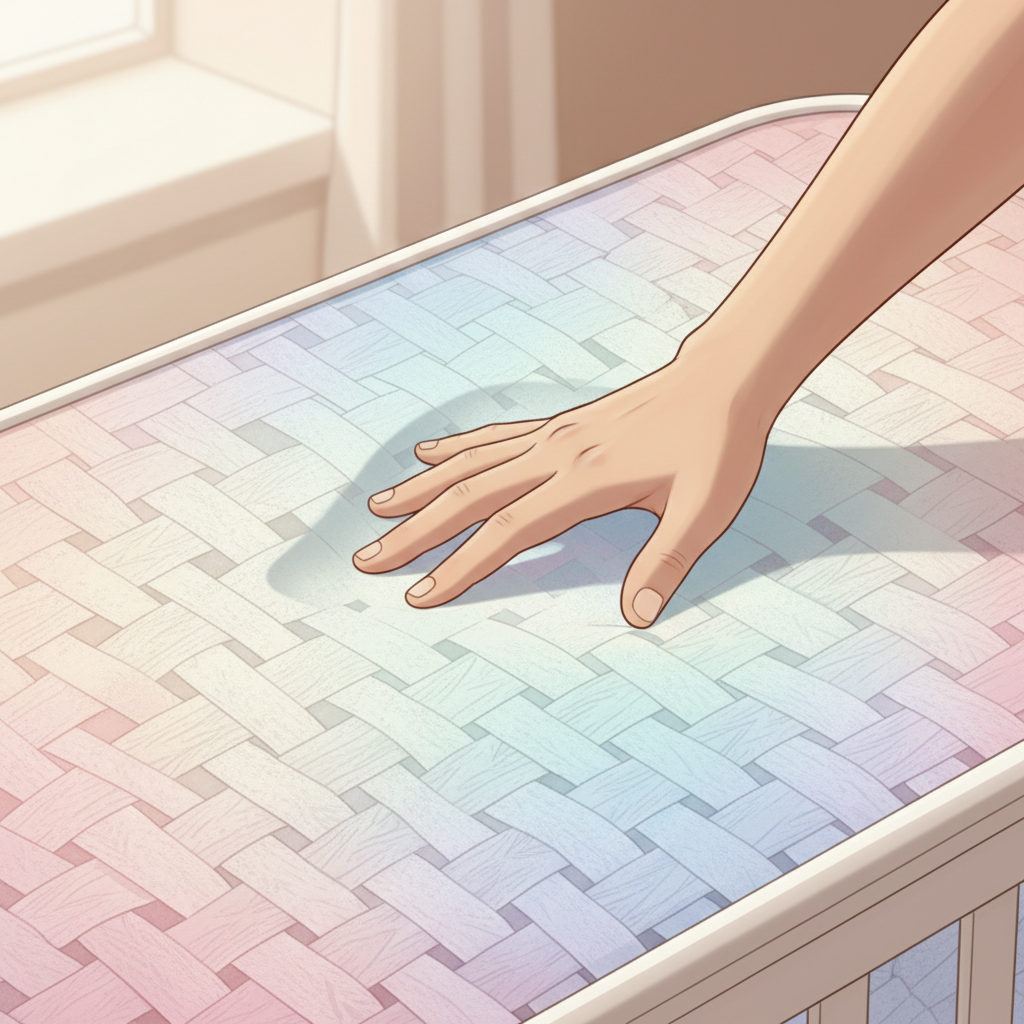
The Best Crib Mattress: Breathable & Firm for Active Stomach Sleepers
In just five minutes, you'll know exactly which crib mattress to buy to keep your little stomach-sleeping adventurer safe and sound. As a mom of twins and a relentless tester of baby gear, I know the anxiety parents feel about sleep safety, especially with an active baby. The goal here is simple: find a mattress that offers superior breathability and a firm surface without compromise. Let's cut through the noise and find the best crib mattress, breathable and firm, for your active stomach sleeper.
Why Your Active Stomach Sleeper Needs a Specific Mattress
An active baby, particularly one who can roll and might favor stomach sleeping, has unique mattress requirements. This isn't about finding any mattress; it's about finding the safest crib mattress for baby that actively mitigates risk. Research suggests a significant portion of infant sleep fatalities involve suffocation or rebreathing of exhaled air, making mattress choice critical.
Breathability & Firmness: The Twin Pillars of Safety
- Breathability: For any infant, but especially those who might end up on their stomach, breathability is paramount. It helps reduce the risk of rebreathing exhaled air, a significant concern for infant sleep safety. A breathable mattress allows air to circulate more freely, potentially helping to regulate temperature and reduce suffocation risk.
- Firmness: Soft surfaces are a hard no for infants. A firm mattress prevents a baby’s head from sinking, which can lead to positional asphyxiation and also supports healthy development. Pediatrician-recommended crib mattresses universally emphasize firmness. The American Academy of Pediatrics (AAP) guidelines strongly advocate for a firm, flat sleep surface. This means no plush, sinking mattresses.
AAP Guidelines: What You Need to Know
The AAP's safe sleep recommendations are the gold standard. They stress placing infants on their back on a firm, flat sleep surface in a crib. Crucially, this surface must not have soft bedding, blankets, pillows, or bumper pads. While you should always aim for back sleeping, babies often roll. Therefore, a mattress that is both firm and breathable is essential preparation for those inevitable rolls and the potential for stomach sleeping as baby becomes more mobile.
What Makes a Crib Mattress Truly Safe and Smart?
Not all mattresses are created equal, and the construction and materials significantly impact their safety and performance, especially regarding breathability and firmness.
Core Mattress Construction: What's Inside Matters
- Innerspring: These are traditional mattresses with a coil support system. They are typically very firm and durable, making them a good choice for supporting healthy infant development. The firmness is usually consistent across the surface.
- Foam: Modern foam mattresses can be lighter and offer good firmness. However, the type of foam and its density are key. Look for high-density foams that provide a truly firm surface. CertiPUR-US certification is important here to ensure the foam is made without certain harmful chemicals.
- Innovative Materials: Brands are increasingly using advanced materials designed for both breathability and firmness. Often, these are hybrid constructions or unique woven layers that create airflow channels while maintaining a supportive base. These can be a worth the splurge option.
The Breathability Factor: More Than Just Air
Breathability in a crib mattress isn't just about a soft cover. It's about the entire system:
- Airflow: True breathability means air can pass through the mattress surface. This is achieved through specific woven structures, perforated cores, or advanced air-channeling designs.
- Material Science: Some materials inherently allow for better airflow. Open-cell foams, breathable mesh layers, and specially engineered textiles can all contribute. The goal is to prevent heat buildup and ensure that exhaled air doesn’t get trapped against the baby's face.
- Reducing Rebreathing Risk: This is the ultimate safety benefit of breathability. If your baby rolls onto their stomach, a breathable mattress allows for easier airflow, reducing the concentration of exhaled carbon dioxide that can be re-inhaled.
Firmness for Safety: Why Soft is Dangerous
- No Sinking: A firm mattress prevents your baby from sinking in. This is crucial because if a baby rolls onto their stomach, their face can become lodged in a soft surface, obstructing their airway.
- Developmental Support: Firmness promotes proper skeletal development and prevents potentially harmful pressure points. It offers a stable platform for movement and growth.
- AAP Alignment: As mentioned, firmness is a non-negotiable component of safe sleep surfaces according to the AAP.
Top Picks: The Best Crib Mattresses for Active Stomach Sleepers
After extensive testing, my twins have "slept" on what feels like every mattress under the sun. Here are the ones that stand out for breathability and firmness, prioritizing safety for your little mover.
Our #1 Recommendation: The HALO DreamWeave Breathable Crib Mattress
This mattress has quickly become my go-to recommendation for parents seeking the best crib mattress breathable and firm for active stomach sleeper scenarios.
- Why it's a winner: The entire mattress core is made from a single piece of food-grade, recyclable material that creates a unique, continuous airflow system. It's incredibly breathable, allowing air to pass through without being too soft. It’s also washable, which is a huge win for parents.
- Feel: It’s exceptionally firm, providing that essential safe sleep surface, yet it doesn’t feel hard or unforgiving. The breathability is its standout feature, offering peace of mind.
- Weight: It’s surprisingly lightweight, making changing bedding much easier.
- Washable: The core itself is washable, a unique and hygienic benefit.
Best for: Parents prioritizing maximum breathability and an easy-to-clean surface for their active baby.
Discover your baby's phase
Skip if: You are on an extremely tight budget, as this is a premium option.
Excellent Breathable & Firm Options
These mattresses also deliver on the critical breathability and firmness requirements, offering great alternatives.
- Newton Baby Crib Mattress: This is another premium, highly breathable option. It uses a unique clover-shaped core structure for excellent airflow. It’s firm, washable, and meets all safety standards. Often cited as a pediatrician-recommended crib mattress contender.
- Pros: Superior breathability, washable cover and core, firm surface.
- Cons: High price point, can be a bit noisy when baby moves.
- Best for: Parents who want top-tier breathability and are willing to invest.
- Skip if: You need a more budget-friendly solution.
- Sealy Mallory Ortho XT Firm Crib Mattress: A more traditional innerspring option that is incredibly firm and durable. While not as "actively breathable" as the woven mesh types, its open coil construction allows for decent airflow and it excels in providing a consistently solid sleep surface.
- Pros: Extremely firm and supportive, durable innerspring construction, generally more affordable than advanced breathable models.
- Cons: Heavier than foam or woven mattresses, breathability is passive rather than active.
- Best for: Parents seeking robust, traditional firmness at a mid-range price.
- Skip if: Advanced, engineered breathability is your absolute top priority.
Worthy Mentions: Pediatrician-Aligned Features
Many brands offer mattresses that meet safety standards. When looking for a pediatrician-recommended crib mattress, focus on these features:
- CertiPUR-US Certified Foam: Ensures the foam is made without harmful chemicals.
- GREENGUARD Gold Certification: Verifies low chemical emissions for a healthier indoor environment.
- Dual-Sided Firmness: Some mattresses offer a firmer side for infants and a slightly softer side for toddlers. For your active stomach sleeper, always use the infant (firmer) side.
Beyond the Mattress: Creating a Safe Sleep Ecosystem
A great mattress is foundational, but it’s just one part of safe sleep.
The Crib Setup: Bare is Best
- No Extras: Keep the crib as bare as possible. This means no blankets, pillows, bumpers, or stuffed animals. Your baby needs a clear space.
- Fitted Sheet: Use only a firmly fitted sheet designed specifically for the crib mattress. Ensure there are no loose edges or wrinkles where a baby could get caught.
Temperature Control and Sleep Sacks
- Prevent Overheating: Overheating is a risk factor for SIDS. Dress your baby in one layer more than you are comfortable wearing and use a sleep sack appropriate for the room temperature. Avoid hats indoors.
- Sleep Sacks: These wearable blankets keep baby warm without the risks associated with loose bedding. Research safe sleep sack TOG ratings for your climate.
When to Talk to Your Pediatrician
- Sleep Positioners: While marketed for safety, most pediatricians and the AAP advise against using sleep positioners. They can pose an entrapment or suffocation risk.
- Persistent Sleep Concerns: If you have ongoing worries about your baby's sleep habits, breathing, or positioning, never hesitate to discuss it with your pediatrician. They can offer tailored advice based on your child's specific development.
Decoding Mattress Labels and Your Peace of Mind
Navigating the world of certifications and warranties can feel overwhelming. Here’s what to look for.
Understanding Crib Mattress Certifications
- CertiPUR-US: This is for foam mattresses. It ensures the foam is made without ozone depleters, PBDEs, TDCPP or TCEP flame retardants, formaldehyde, phthalates, or mercury, cadmium, and lead. Crucial for foam.
- GREENGUARD Gold: This certification indicates that the product has been tested for low chemical emissions into the air, contributing to healthier indoor air quality. It’s a strong indicator of a safer product.
- JPMA Certified: The Juvenile Products Manufacturers Association certifies that products meet rigid safety standards. Look for this as a general safety assurance.
Warranties and Return Policies
- Read the Fine Print: Warranties on crib mattresses are often for a limited time (e.g., 1-10 years) and may cover manufacturing defects only. Understand what is and isn't covered.
- Return Policies: Check the retailer’s return policy before you buy. Some items cannot be returned once opened due to hygiene concerns, especially mattresses.
The right crib mattress is a cornerstone of safe sleep. By focusing on breathability and firmness, especially with an active stomach sleeper, you provide the safest possible environment. My top pick for its innovative, highly breathable design and ease of use is the HALO DreamWeave Breathable Crib Mattress, though excellent alternatives exist if your budget or preferences differ. Sleep well, knowing you’ve made an informed choice.