Best Car Seat for Preemie: NICU Discharge Guide + Top 3 Picks
Bringing home a preemie from the NICU? Discover the best car seats for premature babies, understand the NICU car seat test, and get expert tips for safe transport.
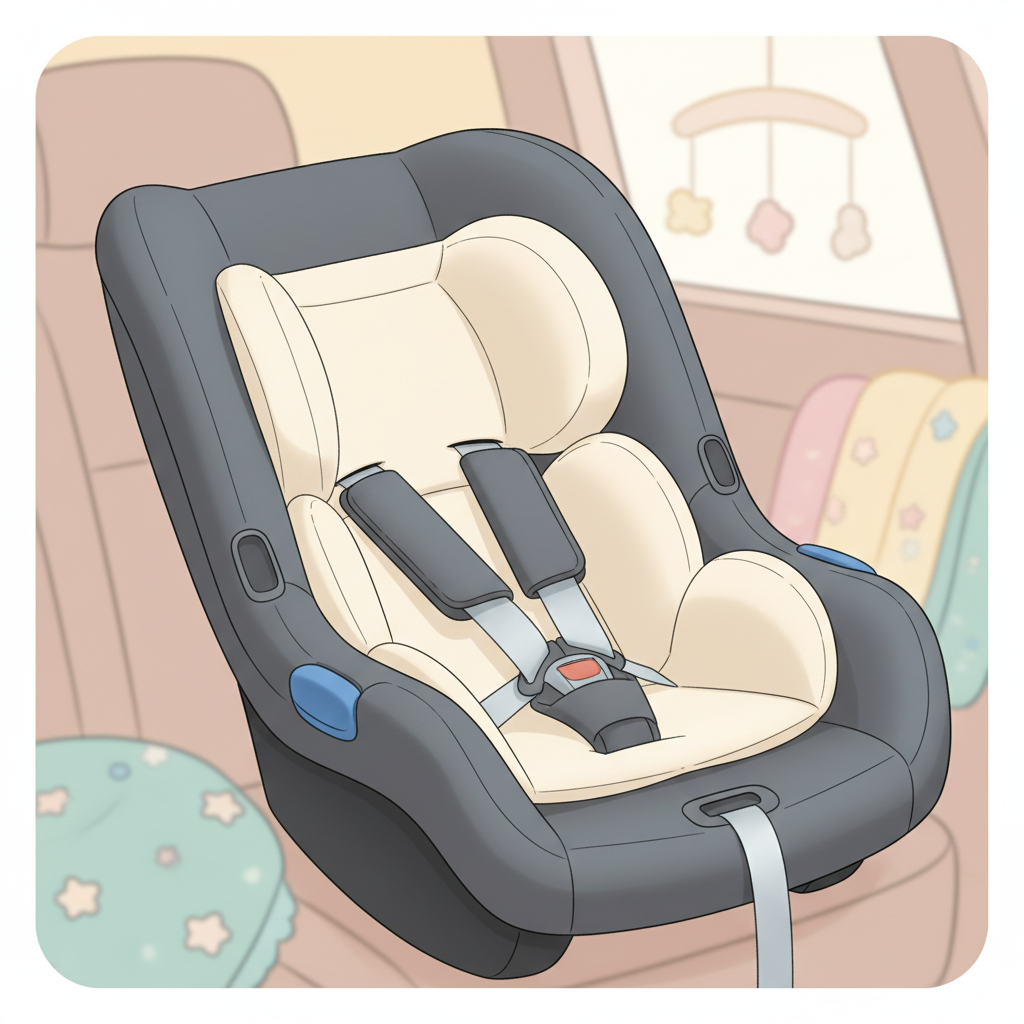
The Best Car Seats for Preemies Coming Home From the NICU
In just a few minutes, you'll discover precisely which car seat is right for bringing your fragile preemie home from the NICU. Navigating the world of car seats is already overwhelming; adding a premature baby with specific medical needs feels impossible. But it doesn't have to be. I’ve sifted through regulations, consulted NICU nurses, and evaluated top models. The bottom line? Your preemie needs more than just a standard infant car seat. They need one specifically designed or certified to safely accommodate medically fragile infants weighing as little as 4 pounds.
This guide cuts through the noise. I’ll show you what to look for, which inserts are actually safe, and when specialized equipment might be necessary. My promise: you won't need to spend hours down a Reddit rabbit hole.
Why Car Seat Safety is Different for Preemies
Bringing your baby home from the NICU is a monumental moment. But before that door opens, there’s a critical hurdle: the car seat test. This isn't just a formality; it's a vital safety check for your premature infant.
Do Preemie Babies Need a Special Car Seat?
Yes, often. While many standard infant car seats accommodate babies down to 4 or 5 pounds, preemies present unique challenges. Their physiology is different:
- Immature respiratory system: A standard car seat reclined incorrectly can put pressure on their diaphragm, making breathing difficult.
- Poor head and neck control: Their heads can flop forward, obstructing their airway.
- Low birth weight: Even at 4 pounds, they may not fit securely in a seat with a minimum weight limit of 5 pounds.
This is why NICU staff meticulously evaluate your chosen car seat and your baby’s ability to tolerate it.
Understanding the 'Car Seat Test' at the NICU
This isn't a one-size-fits-all test. NICU staff will likely:
- Review your car seat: They’ll confirm it meets safety standards and has a low enough minimum weight limit for your baby.
- Observe your baby in the seat: They’ll monitor your baby’s breathing, heart rate, and oxygen saturation for a set period (often 90-120 minutes).
- Assess harness fit: They’ll ensure the straps are snug and correctly positioned, even on a tiny body.
- Check for head slump: They'll look for any signs of airway compromise due to head positioning.
If your baby shows distress, they may require a trial in a different setup or a longer observation period. Passing this test is mandatory for NICU discharge.
What Makes a Car Seat 'Preemie-Friendly'?
Not all infant car seats are created equal when it comes to accommodating the smallest passengers. Here’s what sets a truly preemie-friendly seat apart:
Weight and Height Requirements: The Crucial Difference
The most obvious factor is the minimum weight limit. While many seats start at 5 pounds, some are specifically designed for babies as small as 4 pounds. This is critical if your baby is projected to be under that threshold. Also, consider the shell height and harness slot positions. A seat designed for preemies will have slots closer to the bottom.
Harness Fit and Crotch Buckle Position
A proper harness fit is non-negotiable. For a preemie:
- Harness straps: Should be at or slightly below the baby's shoulders when facing rearward.
- Snugness: The straps should be tight enough that you can't pinch any slack at the collarbone.
- Crotch buckle: The buckle should be in the innermost position, and there shouldn't be excessive slack around the baby's torso once buckled. Too much space can lead to the baby slouching or being ejected in a crash.
Head and Neck Support: What to Look For
Given preemies’ underdeveloped neck muscles, adequate head and neck support is paramount. Look for:
- Integrated inserts: Many infant seats come with multi-piece infant inserts that can be removed as the baby grows. These provide crucial extra padding and support for the head and torso.
- Proper padding: The seat should offer supportive padding that cradles the baby without pushing them into an unsafe position that compromises breathing.
Top Infant Car Seats for Preemies (Under 4 Pounds)
When your baby weighs under 4 pounds, you need options specifically certified for that initial low weight. These seats offer features to ensure a secure fit for very small infants.
Full-Feature Infant Seats with Low Minimum Weight Limits
These seats are your best bet for ease of use and portability, especially if you plan to use a travel system.
- Chicco KeyFit 30: This seat is a perennial favorite for good reason. It’s known for its easy installation and good fit for smaller babies, often accommodating from 4 pounds. The included newborn insert provides essential support.
- Pros: User-friendly installation, well-padded, reliable brand, compatible with many Chicco strollers.
- Cons: Harness slots might require adjustment early on for the smallest preemies, minimum weight is technically 4lbs.
- UPPAbaby Mesa V2: While some sources list its minimum at 4 pounds with the infant insert, the Mesa V2 is a premium option that excels in providing a secure fit for small infants. Its SMARTSECURE® system makes installation foolproof.
- Pros: Excellent build quality, superior ease of installation, good head and body support with the included insert, premium feel.
- Cons: Higher price point, can be heavier than some competitors.
- Cybex Aton 2: This seat often gets high marks for its exceptional infant support and adherence to European safety standards. It’s known to fit smaller babies well, often from 4 pounds.
- Pros: Excellent fit for preemies and small newborns, lightweight, good head support system.
- Cons: Some users find the buckle mechanism a bit stiff, fewer stroller compatibility options compared to some brands.
My Pick for a Full-Feature Infant Seat: The Chicco KeyFit 30 remains my top recommendation for value and reliability. It consistently performs well with preemies and is straightforward for parents to use correctly.
Convertible Car Seats: When They Might Work (Or Not)
Discover your baby's phase
Convertible car seats are designed to grow with your child, starting from infancy and converting to forward-facing later. However, their use for premature infants right out of the NICU is often limited.
- Minimum Weight Limits: Most convertible seats have minimum weight requirements of 5 pounds or even more. This automatically disqualifies them for babies under that threshold.
- Harness Fit: Even if the weight minimum is met, the harness slots on many convertible seats are positioned too high for newborns, making it impossible to achieve a safe, snug fit.
- Lack of Infant Support: They typically don't come with the specialized head and body inserts needed to support a tiny preemie’s underdeveloped neck and torso.
When they might work: A few convertible seats are specifically designed with very low minimum weight limits (e.g., 4 or 5 pounds) and have harness positions that can accommodate small infants. This often requires purchasing a separate, manufacturer-approved infant insert.
Verdict on Convertibles for NICU discharge: Skip this unless you have a specific model recommended by your NICU with a confirmed 4lb minimum and a compatible, approved insert, and your baby meets the weight. For most preemies, a dedicated infant seat is the safest and most practical choice for the initial months.
Preemie Car Seat Inserts: Are They Safe? (And Which Ones Work)
The market is flooded with inserts, but when it comes to preemies, not all are created equal or safe.
Universal vs. Manufacturer-Approved Inserts
This is a critical distinction:
- Manufacturer-Approved Inserts: These are designed by the car seat manufacturer specifically for their car seat model. They are tested and certified to work with the seat's harness system and overall safety design. These are the only type you should consider.
- Universal Inserts / Aftermarket Products: These are sold by third-party companies and claim to fit "all car seats." Avoid these like the plague. They have not been crash-tested with your specific car seat model and can interfere with harness fit, creating a dangerous situation. They can create voids that are unsafe in a crash or lead to an overly tight harness.
When to Avoid Aftermarket Products
Never use any insert, padding, or accessory that did not come with your car seat or is not explicitly approved by the car seat manufacturer for use with your model. This includes:
- Head support pillows not designed for your seat.
- Bundle bags or thick blankets stuffed under the straps.
- Aftermarket harness covers that aren't integrated.
The Bottom Line: Stick to the inserts that came with your chosen infant car seat. If your baby is still too small for a proper harness fit with the standard inserts, discuss options with your NICU or the car seat manufacturer.
Car Beds or Special Devices: When a Standard Car Seat Won't Do
For some medically fragile infants, even the best infant car seat may not be sufficient.
Understanding Car Beds for Significant Medical Needs
A car bed is a specialized device that allows a fragile infant to lie flat during transport. These are typically recommended for babies with extreme prematurity, respiratory or cardiac conditions, or other significant medical issues where maintaining an open airway in a reclined position is impossible.
- FDA-Approved: Only FDA-approved car beds are considered safe.
- Prescription Required: These are not items you can buy off the shelf. They are prescribed by a doctor and fitted by a certified Child Passenger Safety Technician (CPST) with specialized training.
- NICU Recommendation: Your NICU team will be the ones to determine if your baby needs a car bed and will guide you through the process.
The Car Seat Challenge: Getting the Green Light from the NICU
The car seat challenge for medically fragile infants can be complex. Your NICU team will work with you to ensure your baby is safe for transport. This may involve:
- Trial periods: Testing the car seat with your baby for extended durations.
- Modified positioning: Using specific approved inserts or padding to ensure airway protection.
- CPST involvement: A certified technician specifically trained in special needs car seats will ensure proper fit and installation.
Do not proceed with discharge until your NICU team gives you the explicit green light regarding your baby’s car seat safety.
Installation & Expert Check: Your Final Steps Before Coming Home
You've picked the seat; now comes the critical part: ensuring it's installed correctly and fits your tiny baby perfectly. This is not optional.
Professional Installation Checks for Preemie Car Seats
Getting a professional car seat check is highly recommended, especially for preemies.
- Certified Child Passenger Safety Technicians (CPSTs): Find one through Safe Kids Worldwide or ask your hospital. Many NICUs have CPSTs on staff or can refer you.
- Focus on Preemies: Ensure the CPST you consult has experience with newborns and, if applicable, special needs car seats.
- In-Person Check: They will verify your installation in your vehicle and practice strapping your baby in, demonstrating correct technique.
Fitting Your Preemie: Key Checkpoints for Safety
When the CPST is fitting your baby, pay close attention to these points:
- Harness Slots: They should be at or just below your baby's shoulders.
- Harness Tightness: The "pinch test" at the collarbone – you should not be able to pinch any slack.
- Chest Clip Position: The chest clip should be at armpit level.
- Head & Neck Support: No slumping that obstructs breathing. Baby's chin should not be tucked into their chest.
- Crotch Buckle: No excessive slack around the baby's hips.