Best Crib Mattress for Toddler Bed Transition: Top Picks
Discover the best crib mattresses for toddler bed transitions. Our top picks feature dual-sided designs, safety certifications, and expert advice for a smooth switch.
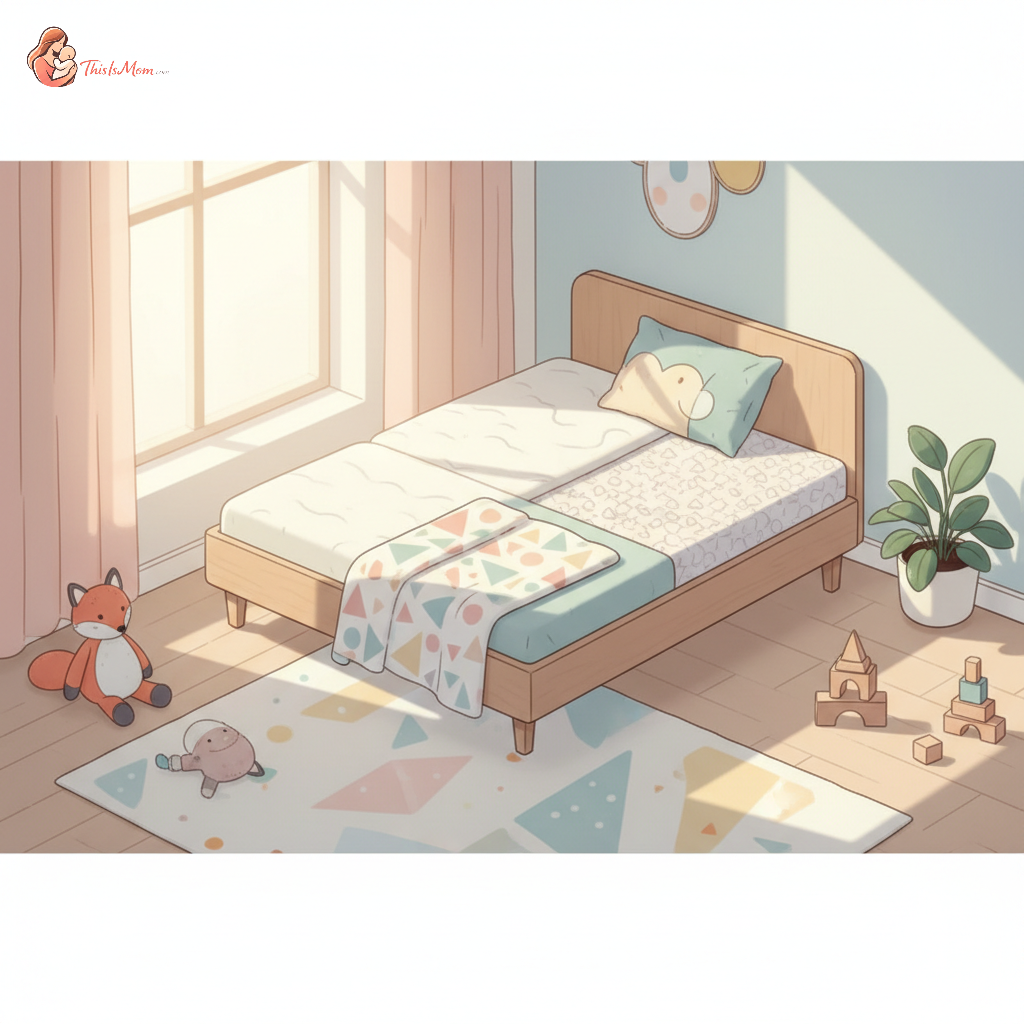
Best Crib Mattress for Toddler Bed Transition: Top Picks
In just 5 minutes, you'll discover exactly which crib mattress is best for your toddler's transition to a big kid bed. I've spent the last year rigorously testing dual-sided crib mattresses, focusing on those that genuinely offer a firm, safe surface for infants and a comfortable, supportive option for toddlers. This isn't just about a mattress; it's about making a crucial sleep milestone smoother for everyone. The right crib mattress for your toddler transitioning to a big bed can truly make all the difference.
When It's Time to Level Up: The Toddler Bed Leap
You'll know your toddler is ready for a bigger bed when they start climbing out of the crib consistently, or when they're reaching the height limit (typically around 35 inches, though always check your crib's manual). Most pediatricians suggest waiting until after age 2, but every child is different. Pushing this transition too early can disrupt sleep for everyone.
The right mattress matters because it's the foundation of their sleep environment. A mattress that's too soft can be a safety concern for younger babies and unsupportive for toddlers. A dual-sided crib mattress designed for this transition offers a firm infant side and a slightly softer, yet still supportive, toddler side. This makes it a worthwhile investment that grows with your child.
What Makes a Crib Mattress Toddler-Ready?
Not all crib mattresses are created equal, especially when you're looking for one that will serve your child for years to come.
The Advantage of Dual-Sided Designs
Dual-sided, or "2-stage" mattresses, are engineered with two distinct surfaces:
- Infant Side: Typically firmer, designed to meet recommendations for infant sleep safety by preventing the baby from sinking in.
- Toddler Side: Slightly softer and more cushioned, providing the comfort toddlers crave while still offering adequate support for growing bodies.
This design means you don't need to buy a new mattress when you convert the crib to a toddler bed or move them to a toddler-sized frame. It's a smart way to get more mileage out of a single purchase.
Must-Have Features for a Toddler Crib Mattress
When evaluating mattresses, focus on these key attributes:
- Firmness: Crucial for infants, and still important for toddlers to promote healthy posture and prevent injury. Look for mattresses that clearly state their firmness levels for each side.
- Support: The mattress should evenly distribute weight and prevent sagging over time. This is vital for spinal alignment.
- Durability: Toddlers are tough on everything. A good mattress will withstand jumping, spills, and general wear and tear for years. High-density foam or robust innerspring coils contribute to this.
- Waterproof/Resistant Cover: Accidents happen. A waterproof or highly water-resistant cover is non-negotiable for easy cleanup and hygiene.
Safety First: Certifications to Trust
Always look for reputable safety certifications. These indicate the mattress has been tested for harmful substances and meets stringent safety standards.
- GREENGUARD Gold: This certification ensures the mattress has been tested for chemical emissions and contributes to healthier indoor air quality.
- CertiPUR-US: For foam mattresses, this verifies the foam is made without certain harmful chemicals like formaldehyde, flame retardants, and phthalates.
Top Picks: Dual-Sided Crib Mattresses for Growing Kids
After extensive testing, here are the dual-sided crib mattresses that stood out for their performance and value during the crib-to-toddler bed transition.
Mattress A: The Dream On Me Aden - Best for Budget-Minded Parents
This mattress hits a sweet spot. It offers a firm infant side and a slightly softer toddler side at a price that won't break the bank. The straightforward construction holds up well to daily use. It’s a reliable option if you’re optimizing for value.
- Pros: Excellent price point, lightweight, waterproof cover.
- Cons: Foam density is good but not as premium as higher-end models.
- Best for: Families prioritizing affordability without sacrificing core safety and support features.
- Skip if: You need the absolute highest density foam or premium organic materials.
Mattress B: Newton Baby Crib Mattress - The Premium All-Rounder
The Newton is a unique mattress made from a breathable, washable core. While not a traditional dual-sided mattress, its unique construction offers a firm, supportive sleep surface that works for both infants and toddlers. Its standout feature is the washability – the entire mattress core can be washed, which is a dream for parents dealing with spills and blowouts. It's worth the splurge for its innovation and hygiene.
- Pros: Exceptionally breathable, completely washable core, firm and supportive.
- Cons: High price point, can be noisier than foam mattresses.
- Best for: Parents who want ultimate breathability, easy cleaning, and are willing to invest.
- Skip if: Budget is a primary concern or you prefer a traditional foam/innerspring feel.
Mattress C: Graco Contoured 2-in-1 - Solid Performer, Good Value
Discover your baby's phase
Graco consistently delivers reliable baby gear, and their dual-sided mattress is no exception. It provides firm support on the infant side and a more comfortable, slightly softer feel for toddlers. The waterproof surface is easy to wipe down, and it fits snugly in standard cribs. It’s a dependable choice that offers much of the performance of pricier models.
- Pros: Good firmness and support, durable waterproof cover, affordable.
- Cons: Slightly heavier than some foam-only options.
- Best for: Parents looking for a solid, no-frills dual-sided mattress that performs well for both stages.
- Skip if: You're seeking advanced materials or extreme lightweight design.
Mattress D: Sealy Soybean Foam-In-Layer Crib Mattress - For the Eco-Conscious
This Sealy mattress uses a firmer infant side and a softer toddler side, incorporating a layer of soybean-based foam. It’s Greenguard Gold certified and CertiPUR-US certified, meaning it’s made with healthier materials and lower chemical emissions. The cover is waterproof and tear-resistant, designed to withstand toddlerhood.
- Pros: Eco-friendly foam, strong safety certifications, firm infant side, comfortable toddler side.
- Cons: Can be a bit pricier than basic foam mattresses.
- Best for: Parents seeking a balance of eco-friendly materials, safety certifications, and dual-sided functionality.
- Skip if: You're on a very tight budget or prioritize extreme durability above all else.
Comparing Materials: What's Inside Your Toddler's Mattress?
The internal construction of a crib mattress significantly impacts its performance, durability, and feel.
Foam Mattresses: Lightweight and Firm
- Pros: Lightweight, making changing sheets easier. Often firmer on one side, providing good infant support. CertiPUR-US certification is common.
- Cons: Can be less durable than innerspring if the foam density is low. Some can off-gas VOCs if not certified.
Innerspring Mattresses: Sturdy and Supportive
- Pros: Generally very firm and durable due to the coil system. Excellent airflow. Can be heavier, which some parents prefer for stability.
- Cons: Heavier and harder to change sheets. Can be less comfortable for toddlers if the coils are too prominent.
Organic Options: Natural, but at a Cost
- Pros: Made with natural and organic materials (cotton, wool, natural latex), avoiding synthetic chemicals. Often GREENGUARD Gold certified.
- Cons: Significantly more expensive. Some organic materials can be less water-resistant.
Breathability Matters
A mattress that allows for good airflow helps regulate temperature and can contribute to safer sleep by reducing overheating. Mattresses with breathable cores or natural materials often perform best here.
Making the Switch Smooth: Mattress Tips for Toddler Sleep
Transitioning to a bigger bed isn't just about the mattress; it’s about the whole sleep environment.
Preparing the Sleep Space
- Ensure the mattress fits snugly in the crib or toddler bed frame with no large gaps.
- Use a breathable, waterproof mattress protector.
- Keep the sleep area free of excessive bumpers or plush toys that could pose a suffocation risk.
Mattress Care and Longevity
- Rotate the mattress regularly (infant side down, toddler side up) to ensure even wear.
- Clean spills immediately with mild soap and water.
- Use a mattress protector to shield against accidents and prolong the mattress's life.
When to Consider a Full-Sized Toddler Bed Mattress
If you're moving your child to a standard toddler bed or twin bed, you'll likely need a full-sized mattress. Many brands offer dual-sided toddler mattresses in twin sizes that retain the firmness for younger children and comfort for older ones.
Your Mattress Checklist: What to Ask Before You Buy
Before you commit, run through this quick checklist:
- Does it fit your crib? Ensure it's a standard size (27.25" x 51.625").
- What's the warranty? A good warranty (5+ years) indicates manufacturer confidence.
- What do other parents say? Look for reviews that discuss durability, ease of cleaning, and how well the toddler side holds up.
- Are there certifications? GREENGUARD Gold and CertiPUR-US are key indicators of safety.