15 Best First Finger Foods for 6-Month-Old No-Teeth BLW
Discover the 15 best first finger foods for your 6-month-old no-teeth baby-led weaning journey. Learn safe prep tips for soft fruits, veggies, and proteins.
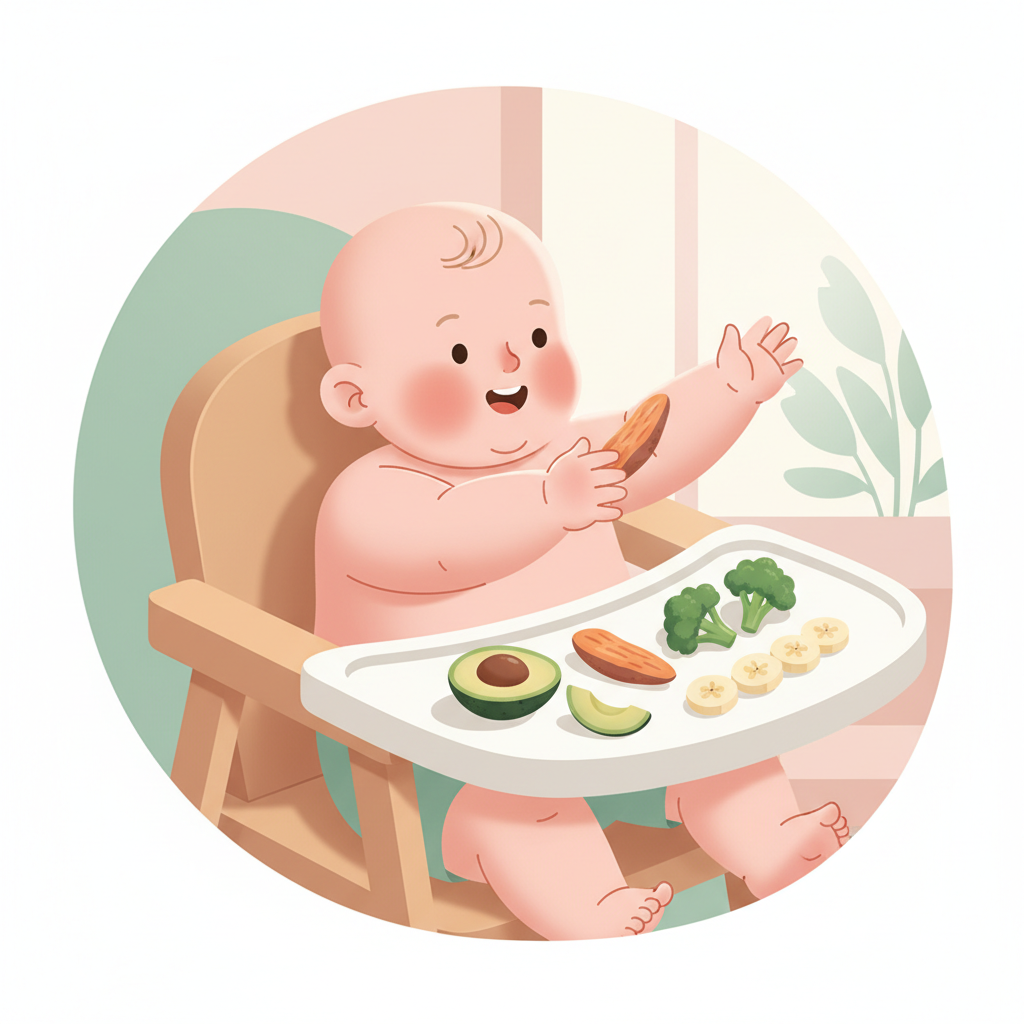
First Finger Foods for Your 6-Month-Old: A Toothless Baby-Led Weaning Guide
Your baby is turning six months old, and the question of starting solids is likely on your mind. If you're considering baby-led weaning (BLW) for your little one, you might wonder if the absence of teeth is a roadblock. The good news is, the best first finger foods for a 6-month-old no-teeth baby-led weaning journey are absolutely accessible and safe. You don't need a full set of chompers to start exploring solid foods.
Many parents begin offering solids around six months, guided by developmental readiness cues rather than a tooth count. This approach allows babies to learn to self-feed, develop fine motor skills, and experience a range of textures and flavors. When babies don't have teeth, the focus shifts to how food is prepared to ensure it's manageable for their gums.
Understanding Baby-Led Weaning When Molars Are Still Absent
Baby-led weaning, as recommended by many pediatric health organizations, is an approach where babies are offered large, graspable pieces of soft, age-appropriate food. They then self-feed, exploring at their own pace. This method allows them to control their intake and learn about different foods.
The absence of teeth is not a barrier to BLW. Babies have strong gums and a well-developed gag reflex that is an important safety mechanism. Per the American Academy of Pediatrics (AAP), readiness cues—such as sitting up with minimal support, good head control, and showing interest in food—are the primary indicators for starting solids. This is true whether your baby has teeth or not. The key is preparing the food so it can be easily mashed with their gums.
Key principles for the safe introduction of solids under BLW include:
- Focus on texture: Foods should be soft enough to be mashed between your fingers or between your baby's gums.
- Appropriate size and shape: Pieces should be large enough for your baby to grasp securely in their fist, with a portion sticking out to get into their mouth.
- Constant supervision: Mealtimes require your full attention, regardless of your baby's teeth situation.
Safety First: Essential Tips for Gumming Babies
Safety is paramount when introducing any new foods, especially with baby-led weaning and a toothless grinner. Understanding the difference between gagging and choking is crucial.
Gagging is a normal, often noisy, reflex that babies use when they encounter food too far back in their mouth. They will often cough, sputter, and bring the food forward. This is a learning process. Choking, on the other hand, is silent and occurs when the airway is completely blocked, preventing breathing.
Here are essential tips for gum-friendly babies:
- Identify choking hazards: Small, hard, round foods (like whole grapes, nuts, popcorn) and sticky foods (like large globs of peanut butter) are high risks. These should be avoided or modified.
- The difference between gagging and choking: Gagging is usually noisy, with the baby coughing or sputtering. Choking is silent, with difficulty breathing. If your baby is gagging, remain calm and let them work it through. If they are choking, intervene immediately.
- Always supervise mealtimes: Never leave your baby unattended while they are eating. Ensure they are seated upright in a high chair or secure seating. This is a non-negotiable rule for all feeding.
Best First Finger Foods for Your Toothless Wonder
When starting solids, especially without teeth, the focus is on offering soft, easy-to-manage foods that your baby can gum effectively. Here are some excellent options for first finger foods for 6 months that cater to gum-friendly palates:
Soft Fruits
Fruits that are naturally soft or become soft when cooked are ideal.
- Avocado: This creamy fruit is a powerhouse of healthy fats. Cut ripe avocado into thick spears or large wedges.
- Banana: A ripe banana is easy to mash. Offer it in large, thick slices or spears that your baby can grip.
- Steamed Apple: Peel and steam apple slices until very soft to the touch. They should easily yield to pressure. Remove the core and seeds.
Gentle Veggies
Cooked vegetables that are soft enough to mash work well.
- Sweet Potato: Roast or steam sweet potato until fork-tender. Cut into thick sticks or large chunks.
- Squash: Butternut, acorn, or other winter squashes can be roasted or steamed until soft. Offer in similar shapes to sweet potato.
- Broccoli Florets: Steamed until tender, broccoli florets can be offered whole, stem-side down, allowing your baby to grasp the larger part.
Protein Power
Introducing protein sources is important, and many can be prepared in a soft, gum-friendly way.
- Soft-cooked Eggs: Scrambled eggs or hard-boiled eggs that are then mashed or cut into large pieces are a great source of protein and iron.
- Lentil Patties: Cooked lentils can be mashed and formed into small, flat patties. Ensure they are moist and soft.
Discover your baby's phase
Grains & More
Simple grains can also be part of your baby's first food repertoire.
- Toast Strips: Lightly toasted bread, cut into thick strips, can be offered. Ensure it's not too hard. If it is, you can lightly steam it to soften.
- Oatmeal Fingers: Cook oatmeal to a very thick consistency, spread it on a baking sheet, chill until firm, and then cut into finger-sized strips.
Preparation Matters: Making Foods Safe and Manageable
The success of baby-led weaning without teeth hinges on proper food preparation. The goal is to make foods that your baby can pick up, gum effectively, and swallow safely.
The Right Size and Shape for Tiny Hands and Mouths
For babies who are still teething and developing their motor skills, size and shape are critical. As the AAP suggests, offer pieces that are larger than their fist, with a tail or portion sticking out. This allows them to grasp it securely. For example, a whole steamed carrot stick (cooked until tender) is better than small coins.
The general rule of thumb for finger foods is about the size of an adult's pinky finger. This ensures it's not too small to be a choking hazard and large enough to be grasped.
Steaming vs. Roasting: Optimizing Texture
The cooking method significantly impacts the texture of food.
- Steaming: This is an excellent method for most fruits and vegetables. It ensures they become tender without becoming mushy, retaining a shape that’s easy for babies to hold.
- Roasting: Roasting can caramelize natural sugars and create a slightly firmer exterior, which can be appealing. However, ensure the inside is thoroughly cooked and soft.
Tips for Offering Variety and Allergens Safely
It's beneficial to offer a wide variety of foods early on to encourage acceptance of different tastes and textures. The AAP recommends introducing common allergens, such as peanut, egg, dairy, and wheat, around the time solids are introduced, if there's no family history of allergies.
- Offer allergen at home: Introduce one new allergen at a time, in a small amount, at home.
- Observe for reactions: Watch your baby for several hours after introducing a new allergen for any signs of an allergic reaction, such as hives, vomiting, or difficulty breathing.
- Consult your pediatrician: For specific guidance on introducing allergens, especially if there's a known history of eczema or allergies in the family, always check with your pediatrician.
Navigating Challenges and Celebrating Milestones
Starting solids is a journey filled with learning for both parent and child. There will be messy meals, food refusals, and incredible moments of discovery.
When to Offer Water with Solids
According to the AAP, it's appropriate to offer a small amount of water (around 2-4 ounces per day) in an open cup or sippy cup with meals once solids are introduced. Water helps babies learn to drink from a cup and can aid digestion. Breast milk or formula remains the primary source of nutrition during the first year.
Dealing with Food Refusal and Mess
It's common for babies to touch, smear, and throw food. This is all part of the learning process. Don't be discouraged by mess; it's a sign of exploration. If your baby consistently refuses a food, don't force it. Try offering it again on a different day or prepared in a different way.
Research suggests that repeated exposure is key to food acceptance. A baby might need to see, touch, and smell a new food multiple times before trying it.
Knowing When to Call Your Pediatrician
While BLW is generally safe, certain signs warrant a call to your pediatrician. These include:
- Signs of dehydration (fewer wet diapers, dry mouth).
- Significant weight loss or poor weight gain.
- Persistent vomiting or diarrhea.
- Signs of choking that you are unable to resolve.
- Any concerns about your baby’s overall health or development.