15 Best Finger Foods for 6-Month-Old Babies (No Teeth!)
Discover safe and delicious first finger foods for your 6-month-old with no teeth! Learn about readiness signs, preparation tips, and foods to avoid.
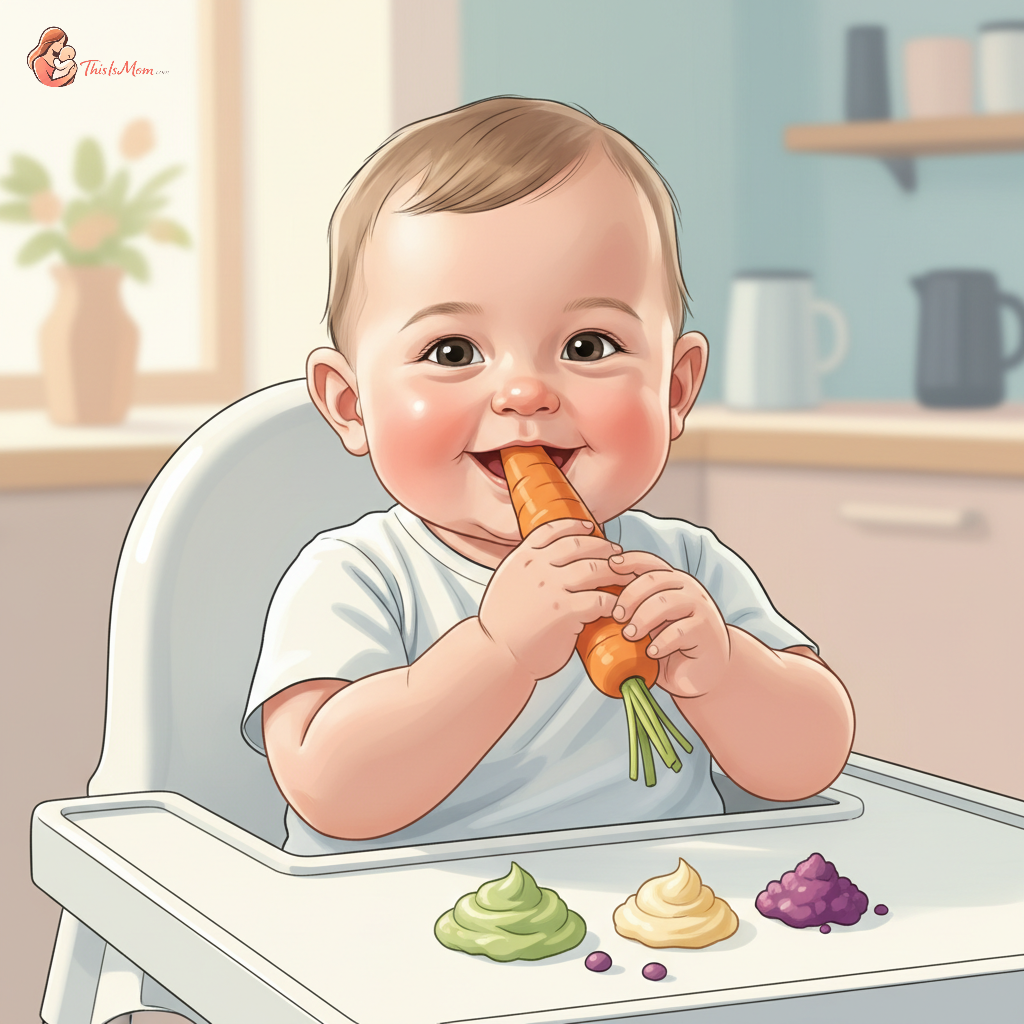
Best First Food Finger Foods for 6-Month-Olds (No Teeth!)
Is your 6-month-old showing interest in your food, opening their mouth when you eat, and ready to explore beyond breast milk or formula? You might wonder if they're ready for finger foods, especially if they don't have any teeth yet. The good news is, you can absolutely introduce first food finger foods for a 6-month-old with no teeth. Teeth aren't the gatekeeper to self-feeding; rather, a baby's developmental readiness is the key.
The American Academy of Pediatrics (AAP) suggests that around 6 months of age, most babies are ready to start solid foods. This is a crucial time for introducing a variety of textures and flavors, and finger foods play a significant role in developing fine motor skills and independence. Let's explore what makes a food "baby-friendly" and what to offer.
Is Your 6-Month-Old Ready for Finger Foods?
Readiness for solids, and importantly, finger foods, isn't solely about reaching a specific age. The CDC emphasizes observing your baby's developmental cues.
Signs of Readiness for Finger Foods (Beyond Teeth)
- Good Head and Neck Control: Your baby can hold their head up steadily.
- Sitting Independently: They can sit up with minimal support, allowing them to manage food in their mouth.
- Loss of Tongue-Thrust Reflex: This reflex, which pushes food out of the mouth, typically diminishes around 4-6 months, making it easier for babies to move food to the back of their throat.
- Expressing Interest: They watch you eat, reach for food, and open their mouth when food approaches.
Why No Teeth Isn't a Problem for Soft Solids
It might seem counterintuitive, but babies can manage soft foods without teeth. Their gums are strong enough to mash food. The key is the texture – foods must be soft enough to be easily gummed or mashed. The development of their chewing and swallowing mechanisms is more important than the presence of teeth at this stage.
Golden Rules for Safe Finger Foods (No Teeth Needed!)
Safety is paramount when introducing finger foods. The goal is to build confidence in your baby while minimizing any risks.
What Makes a Food Safe? (Texture, Shape, Size)
- Texture: Foods should be very soft, easily mashable between your fingers, and dissolve in the mouth. Think soft-cooked vegetables or ripe fruit.
- Shape: Foods that are easy to grasp are ideal. Long, thin strips or pieces that are larger than a pea can help reduce the chance of them getting stuck.
- Size: Pieces should be appropriately sized for your baby to manage. Generally, think about the size of your pinky finger or a small pea for some textures, but larger strips are often best initially.
Decoding the 'Pincer Grasp' and Palmar Grasp
As your baby develops, they’ll transition through different grasps. Initially, they'll likely use their whole hand to pick up food (palmar grasp). This is perfectly fine for larger finger foods. Soon, they’ll start developing the pincer grasp, using their thumb and index finger to pick up smaller items. While you might see early attempts at this, it's generally recommended to offer larger pieces until they have better control.
Our Top Picks: Best First Food Finger Foods for 6-Month-Olds
When selecting finger foods for 6-month-olds with no teeth, focus on whole foods that are nutrient-dense and easy to prepare. These options are excellent starting points for introducing texture and flavor.
Soft Fruits: Avocado, Banana, Cooked Pears & Peaches
These fruits are naturally soft and packed with vitamins.
- Avocado: Cut into spears or cubes. It's creamy and easy to gum.
- Banana: Offer a whole peeled banana for them to hold and gum, or cut into manageable strips.
- Cooked Pears & Peaches: Steamed or roasted until very tender. Ensure they are soft enough to mash easily. Remove the skin and any pits or cores.
Tender Cooked Veggies: Sweet Potatoes, Carrots, Green Beans
Cooking vegetables until they are thoroughly soft unlocks their flavors and makes them safe to gum.
- Sweet Potatoes: Roasted or steamed and cut into sticks.
- Carrots: Steamed or boiled until very soft, then cut into thick sticks.
- Green Beans: Steamed until completely tender. Their long shape makes them easy to grasp.
Easy Proteins: How to Serve Eggs and Soft Meats Safely
Introducing proteins can provide essential nutrients.
- Cooked Eggs: Scrambled eggs or hard-boiled egg yolks cut into bite-sized pieces. The white can be a bit chewier, so ensure it's well-cooked and soft.
- Soft Meats: Finely shredded or very finely ground, well-cooked chicken or turkey. Ensure there are no bones or sinew.
Discover your baby's phase
Grains & More: Soft Pasta, O-shaped Cereals, Toast Strips
These offer different textures and can be fun for babies to explore.
- Soft Pasta: Cooked well past al dente, then cut into smaller pieces.
- O-shaped Cereals: Puffed grain cereals designed for babies.
- Toast Strips: Lightly toasted bread, cut into finger-sized strips. Ensure it’s not too hard.
These are excellent examples of soft finger foods for baby 6 months.
Prepping & Serving: Making Mealtime Easy and Safe
Consistency and presentation matter when offering finger foods for babies aged 6 months.
The Right Size: Sticks, Strips, and Small Pieces
For babies with no teeth, offering food in larger, graspable pieces is often safer.
- Sticks/Spears: About the size of an adult pinky finger. This allows them to hold onto one end while gumming the other.
- Larger Bite-Sized Pieces: For very soft foods, pieces slightly larger than a pea can work, but always supervise closely.
Cooking Methods for Ultimate Softness
- Steaming: Excellent for vegetables and fruits, preserving nutrients and achieving tenderness.
- Roasting: Can bring out sweetness in vegetables like sweet potatoes.
- Boiling: Ensure foods are boiled until very soft; test with a fork.
Introducing Allergens Safely
The current guidelines from the AAP and others suggest introducing common allergens around the time solids are started (around 6 months). This can be done by offering small amounts of well-prepared allergens.
- Introduce one new allergen at a time.
- Wait 2-3 days before introducing another new allergen to monitor for reactions.
- Examples include well-cooked scrambled eggs, smooth peanut butter (thinly spread on toast or mixed into other foods), or small pieces of cooked fish.
- Always discuss any concerns about allergies with your pediatrician.
Offering homemade snacks for 6-month-olds allows you to control the ingredients and textures perfectly.
When to Call the Pediatrician: Choking Hazards and Concerns
Understanding the difference between gagging and choking is crucial for parental peace of mind and safety.
Understanding Gagging vs. Choking
- Gagging: This is a normal, protective reflex. Your baby might push food out with their tongue, cough, or make sputtering noises. Their airway is not blocked. This is a sign they are learning to manage food.
- Choking: This is a medical emergency. The airway is blocked, and your baby cannot breathe, cough effectively, or make noise. Their face might turn pale or blue.
If you are unsure whether your baby is gagging or choking, act as if it is choking.
Foods to Absolutely Avoid at This Stage
Certain foods pose a higher choking risk and should be avoided for babies under 12 months, and certainly for 6-month-olds:
- Whole nuts and seeds
- Popcorn
- Hard, raw fruits and vegetables (e.g., whole grapes, raw apple slices, raw carrot sticks)
- Sticky foods like large dollops of nut butter
- Chunks of meat or cheese
- Sausages or hot dogs (even cut up, they can be round and firm)
- Hard candies and marshmallows
Your Pediatrician: Always Your First Resource
Introducing solids and finger foods is an exciting milestone, but it's also natural to have questions and concerns. Never hesitate to reach out to your child's pediatrician. They can offer personalized guidance based on your baby's specific development and health history. They are your most trusted partner in navigating these new stages.