Best Formula Pitcher for Hypoallergenic Formula (No Bubbles)
Discover the best formula pitchers for mixing hypoallergenic formula without bubbles. Reduce gas & discomfort for your sensitive baby with our top picks & mixing tips.
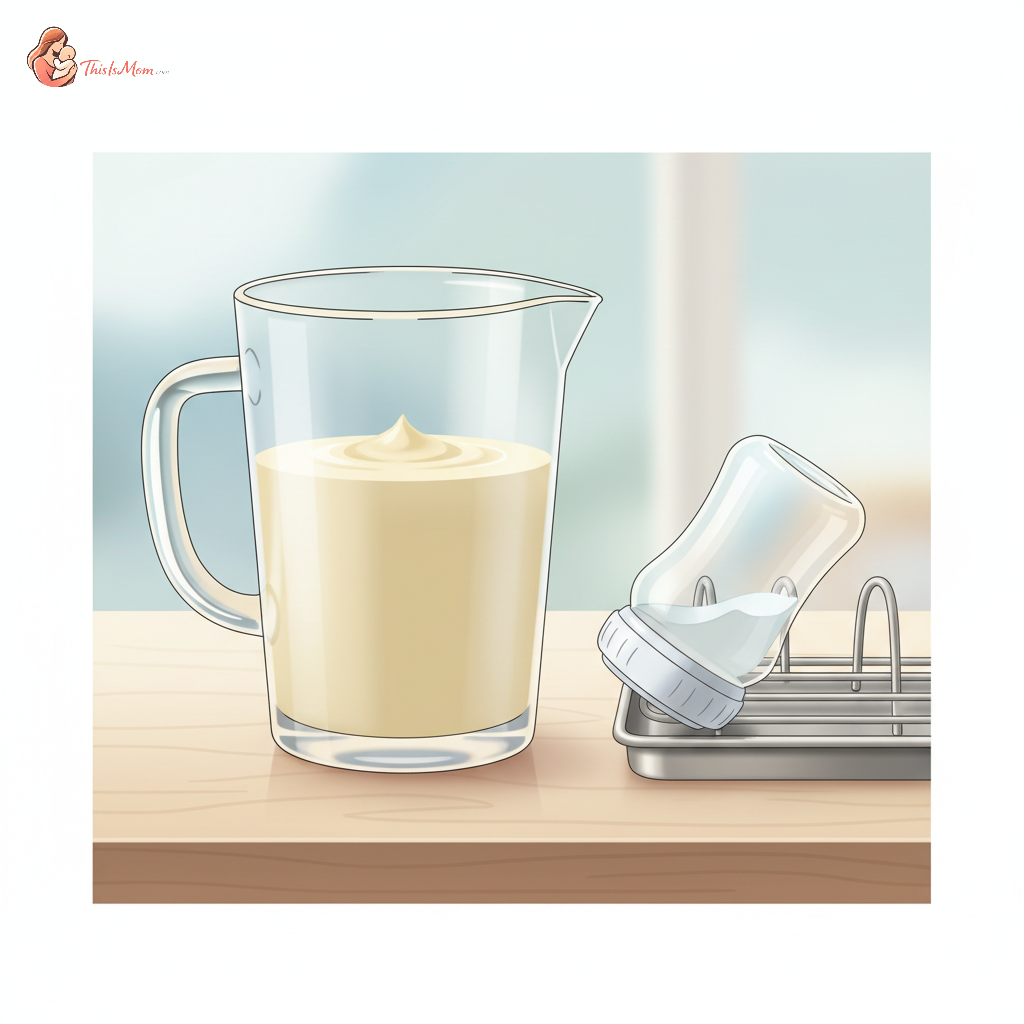
Best Formula Pitcher for Mixing Hypoallergenic Formula Without Bubbles
Mixing hypoallergenic formulas, especially the thicker ones designed for sensitive tummies, can be challenging. Add in the persistent problem of air bubbles that can lead to gas and discomfort, and you've got a recipe for frustration. This guide will help you choose the best formula pitcher for your sensitive baby, focusing on features that prevent bubbles and ensure a smooth mix. Investing in the right pitcher can save you precious time and your baby a lot of fuss.
Why Hypoallergenic Formula Demands More from Your Pitcher
Hypoallergenic formulas are designed for babies with sensitivities or allergies to common proteins. This often means a thicker, more viscous consistency compared to standard formulas – less watery and more syrupy.
This thickness presents two main challenges:
- Difficult Mixing: It's harder to achieve a smooth, lump-free consistency without vigorous shaking or stirring, which inevitably introduces air.
- Increased Air Bubbles: The act of mixing, combined with the formula's density, tends to whip air into the liquid, creating persistent bubbles.
These bubbles are detrimental to sensitive baby tummies. They can lead to:
- Excessive Gas: Trapped air can cause bloating and painful gas.
- Discomfort and Fussiness: A gassy baby is an unhappy baby, leading to more crying and potential feeding aversions.
- False Satiety: Air can fill a baby's stomach, making them feel full before they've had enough nutrients.
A well-designed formula pitcher specifically for hypoallergenic formula can tackle these issues head-on. It streamlines the mixing process, reduces bubble formation, and ensures a smooth, digestible feed every time. This isn't just about convenience; it's about optimizing your baby's comfort and nutrition.
What Makes a Formula Pitcher 'Best' for Hypoallergenic Formulas?
Not all formula pitchers are created equal, especially when dealing with thicker, specialized formulas. Here’s what to look for to ensure a smooth, bubble-free mix and a happy baby:
Design Features for Thick Consistency
- Efficient Agitator/Mixer: Look for pitchers with a built-in whisk, paddle, or propeller system designed to break up clumps and emulsify thicker liquids effectively without excessive force.
- Wide Base: A stable base prevents tipping during vigorous mixing.
- Ergonomic Handle: A comfortable grip makes mixing easier and safer.
Materials and Ease of Cleaning
- BPA-Free Plastics: Essential for baby products. Ensure all parts that come into contact with formula are food-grade and free of harmful chemicals.
- Dishwasher Safe: Check that all components are top-rack dishwasher safe.
- Easy Disassembly: The pitcher should come apart easily for thorough cleaning, preventing formula residue buildup.
Bubble-Reducing Mechanisms
- Slow-Pour Spout: A spout designed for controlled pouring helps minimize aeration as you dispense the formula into bottles.
- Whisk/Agitator Design: Some whisks are designed to incorporate less air. A fine-mesh whisk or a propeller that moves through the liquid rather than whipping it can make a difference.
Capacity and Convenience
- Adequate Size: Look for a pitcher that holds at least 20-30 ounces, allowing you to prepare multiple feeds.
- Clear Measurement Markings: Accurate and easy-to-read ounce and milliliter markings are crucial for getting the water-to-formula ratio just right.
- Storage Lid: A secure lid is necessary for refrigerating prepared formula.
Discover your baby's phase
Our Top Picks: Best Formula Pitchers for Hypoallergenic Formula
After testing several models with thicker hypoallergenic formulas, these pitchers stood out for their ability to create smooth, bubble-reduced mixes.
1. The 'Smooth Operator' - Baby Brezza Formula Pro Pitcher
This pitcher is engineered for efficiency. Its standout feature is the innovative paddle whisk that rotates to thoroughly mix even dense formulas without excessive whipping.
- Pros:
- Excellent at creating a truly lump-free, smooth consistency with minimal air incorporation.
- BPA-free, dishwasher safe (top rack), and easy to disassemble.
- Generous 30 oz capacity.
- Clear, easy-to-read measurement markings.
- Includes a secure lid for storage.
- Cons:
- Requires manual cranking for the whisk, which takes a bit of effort.
- Higher price point than basic models.
- Best For: Parents who prioritize a truly smooth, bubble-free mix and are willing to invest a bit more for peace of mind.
2. The 'High Capacity Hero' - Dr. Brown's Formula Mixing Pitcher
Known for its anti-colic bottles, Dr. Brown's also offers a robust formula pitcher designed to handle larger batches. Its built-in whisk mechanism is effective at creating a consistent blend.
- Pros:
- Effectively mixes formula smoothly, reducing clumps.
- Designed to minimize air bubbles during the mixing process.
- Generous 32 oz capacity, ideal for preparing multiple bottles at once.
- BPA-free, dishwasher safe, and easy to clean.
- Features clear measurement markings and a tight-fitting lid.
- Cons:
- The whisk can be a little stiff to operate initially.
- Some users find the design slightly bulkier than other options.
- Best For: Families needing to prepare large volumes of formula throughout the day or night.
3. The 'Budget-Friendly Bubble Buster' - Tommee Tippee Ultra Grip Perfect Prep Machine Replacement Pitcher (or similar manual whisk pitcher)
This category represents manual whisk pitchers. Many brands offer pitchers with a simple, built-in propeller or whisk that you manually spin or pump. The key here is the design of the whisk – look for one with fine wires or a propeller that moves through the formula rather than aggressively aerating it.
- Pros:
- Significantly more affordable than electric or complex mechanical pitchers.
- Can still achieve a good, smooth mix with careful technique.
- Often smaller and more compact for easier storage.
- BPA-free, generally dishwasher safe.
- Cons:
- Requires more manual effort to achieve a truly smooth consistency.
- May introduce slightly more air bubbles than more advanced systems, though still better than just a spoon.
- Capacity can sometimes be smaller (e.g., 20 oz).
- Best For: Parents on a tighter budget who are willing to put in a little extra elbow grease for a decent mix.
Tips for Minimizing Bubbles with Any Formula Pitcher
Even with the best formula pitcher, your technique can significantly impact bubble formation. Follow these tips to ensure the smoothest possible feed for your little one:
- Mixing Technique Matters:
- Slow and Steady: When using a manual whisk or crank, move deliberately. Avoid fast, whipping motions. The goal is to emulsify, not to aerate.
- Stir, Don't Shake: If your pitcher has a lid and you choose to shake, do it gently. Vigorous shaking is the fastest way to create foam.
- Full Dissolution: Ensure all powder is fully dissolved before considering the mixing complete.
- Allow Formula to Settle:
- After mixing, let the pitcher sit for a few minutes (5-10 minutes) before pouring into bottles. This allows many of the smaller bubbles to rise to the surface and dissipate.
- Gently tap the side of the pitcher if you see stubborn bubbles clinging to the sides.
- The Right Water Temperature:
- Use water that is warm but not boiling (around 70°C or 158°F, as recommended by health authorities for killing bacteria in formula powder, then cooled to feeding temperature).
- Extremely hot water can sometimes cause more foaming. Too cold, and the formula won't dissolve properly, leading to clumps that then require more mixing.
Beyond the Pitcher: Other Tools for Gas-Prone Babies
A great formula pitcher is a critical tool, but it's just one piece of the puzzle when managing a baby prone to gas. Here are other strategies and tools that can help:
- Anti-Colic Bottles: Many bottles are designed with special vents or internal systems to reduce air intake during feeding. Brands like Dr. Brown's, MAM, and Comotomo are popular choices.
- Pacing Feeds: Feed your baby in a more upright position (around 45 degrees). Take breaks during feeding to allow them to swallow less air and to burp. Squeeze the bottle gently to ensure the nipple is always full of milk, not air.
- Burping Techniques:
- During Feeds: Burp your baby after every 1-2 ounces (or every 5-10 minutes) of feeding.
- Effective Burping: Try different positions: over the shoulder, seated on your lap (leaning forward), or lying on their stomach across your lap. Gentle patting or circular massage on the back can help.
- When to Talk to Your Pediatrician: While gas is common, persistent or severe discomfort, projectile vomiting, blood in stool, poor weight gain, or extreme fussiness should always be discussed with your pediatrician. They can help rule out underlying issues that require medical intervention.
Preparing formula for a baby with sensitivities doesn't have to be a constant battle against lumps and gas. By choosing the right formula pitcher and employing smart preparation techniques, you can ensure your baby gets the nourishment they need with significantly less discomfort. It’s about making a smart choice for their well-being and your sanity.