Best Low-Sugar Toddler Breakfast Ideas for Busy Mornings
Discover easy, healthy, and low-sugar breakfast ideas for toddlersperfect for busy parents. Say goodbye to morning meltdowns and hello to nutritious starts!
Navigating Early Mornings: Best Low-Sugar Toddler Breakfast Ideas for Busy Parents
Your toddler’s alarm clock is buzzing, and you’ve got a mountain of tasks before the day even truly begins. What’s on the breakfast plate? If it’s often something high in sugar, you might be wondering if there’s a better way. The good news is, creating healthy, low-sugar toddler breakfasts for busy mornings is achievable with a little planning.
Why Low-Sugar Mornings Matter for Toddlers
Mornings set the tone for the entire day, and a breakfast heavy in added sugar can lead to a predictable roller coaster of energy and mood. When toddlers consume a lot of sugar first thing, they often experience a rapid spike in blood glucose, followed by a crash. This can manifest as overtiredness, fussiness, and difficulty concentrating not long after eating.
The American Academy of Pediatrics (AAP) emphasizes the importance of establishing healthy eating patterns early in life. What toddlers eat for breakfast can significantly influence their developing preferences and overall dietary habits. Starting the day with nutrient-dense foods helps support their growth and development, rather than providing empty calories that offer little nutritional value.
Many common breakfast items, even those marketed towards children, can contain surprisingly high amounts of added sugar. This "hidden sugar" can be found in cereals, flavored yogurts, breakfast bars, and even some fruit juices. The U.S. Department of Agriculture’s Dietary Guidelines for Americans recommend limiting added sugars, and this advice is particularly relevant for young children whose diets are still forming. Understanding these hidden sources is a crucial first step towards making healthier choices.
Breakfast Prep Strategies for Busy Parents
When the morning rush hits, a well-prepped breakfast can be a lifesaver, transforming a chaotic start into a calm, nourishing one. Several strategies can help ensure you have healthy, low-sugar toddler meals ready to go.
The "overnight principle" is a game-changer. Overnight oats are a prime example. Simply combine rolled oats with milk (dairy or non-dairy), a touch of chia seeds, and your toddler's favorite fruit in a jar or container. Refrigerate overnight, and by morning, you have a creamy, ready-to-eat breakfast that’s packed with fiber and nutrients. You can customize toppings like berries, a sprinkle of cinnamon, or a few slivered almonds (ensure they are age-appropriate for choking hazards).
Batch cooking classics is another excellent approach for toddler breakfast prep ahead. Consider making a batch of whole-grain muffins or pancakes on the weekend. You can bake them, let them cool completely, and then store them in an airtight container in the refrigerator or freezer. Reheat them quickly in the morning for a warm, homemade breakfast. Opt for recipes that use natural sweeteners like mashed banana or applesauce instead of refined sugar.
For truly grab-and-go options, smoothies and parfaits are fantastic. Prepare smoothie packs by portioning fruits, vegetables (like spinach, which toddlers often won't taste), and a protein source (like plain yogurt or nut butter) into freezer bags. In the morning, just add liquid, blend, and serve. Similarly, layer plain Greek yogurt, fruit, and a sprinkle of seeds or granola (low in sugar) in a jar for an easy parfait.
5-Minute Saviors: No-Cook Quick Fixes
When time is incredibly tight, or you're caught without a prepped batch, these no-cook options are your best friends, providing quick healthy toddler breakfast solutions in mere minutes.
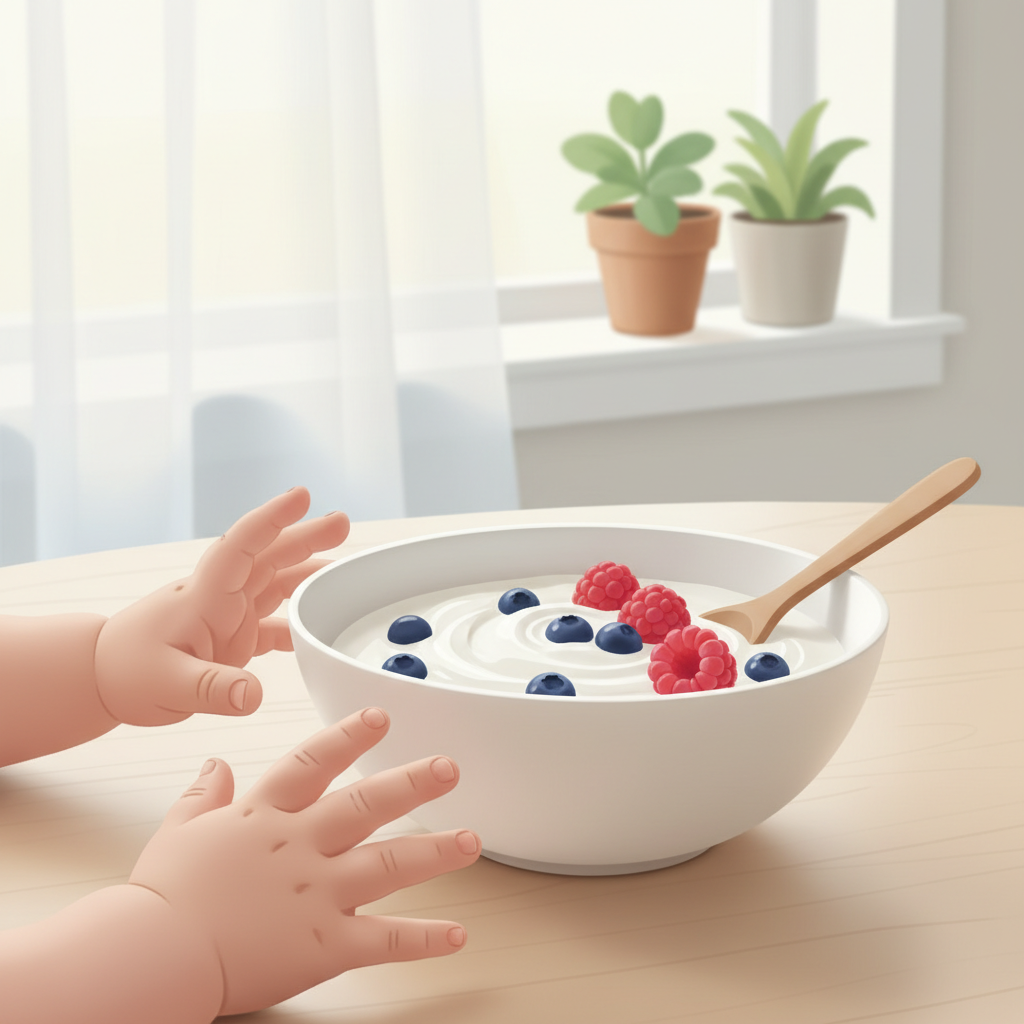
Plain Greek yogurt with fruit and seeds is a nutritional powerhouse. Greek yogurt is naturally high in protein, which helps keep toddlers feeling full and satisfied. Top it with fresh or thawed frozen berries, a dash of cinnamon, and a few sunflower or pumpkin seeds for added texture and healthy fats. Always choose plain yogurt to avoid added sugars found in flavored varieties.
Whole-grain toast with nut butter and banana is a classic for a reason. Ensure you’re using 100% whole-grain bread for maximum fiber. Spread a thin layer of natural peanut butter, almond butter, or sunflower seed butter (check for any added sugars or salt). Top with thin slices of banana or other soft fruits. This combination offers complex carbohydrates, protein, and healthy fats.
Discover your baby's phase
Hard-boiled eggs and fruit slices offer a simple yet effective protein boost. You can boil a batch of eggs at the beginning of the week and keep them in the refrigerator. Pair one or two peeled hard-boiled eggs with easy-to-eat fruit like apple slices, pear wedges, or orange segments. This provides sustained energy without any added sugars.
Warm & Wholesome: 10-Minute Cooked Options
Sometimes, a warm breakfast is preferred, and it doesn't have to take ages. These easy toddler breakfast recipes can be on the table in about 10 minutes, offering comforting and nutritious warmth.
Scrambled eggs with finely chopped vegetables are a versatile choice. Whisk a couple of eggs with a splash of milk and stir in finely chopped spinach, bell peppers, or zucchini. Cook in a lightly oiled skillet until set. The vegetables add extra vitamins and fiber, and often, toddlers will eat them mixed into the eggs without complaint.
Oatmeal variations are simple to prepare. Rolled oats cook much faster than steel-cut oats, often in less than 5 minutes. Prepare them with water or milk, and then stir in fruit for natural sweetness. For a more complex flavor, add a swirl of nut butter or a pinch of cinnamon. This provides a hearty, fiber-rich meal that’s very customizable.
Mini breakfast quesadillas can be a fun and filling option. Use small whole-wheat tortillas. Sprinkle a little shredded cheese on one half, add some finely mashed beans or a few pieces of cooked, rinsed veggies, and fold. Cook in a dry skillet for a minute or two per side until lightly golden and the cheese is melted. They're easy for little hands to hold.
Picky Eater Approved (and Parent Approved!)
Navigating picky eating is a common challenge for parents. The goal is to introduce variety and nutrition, even when faced with a limited palate.
One key strategy for introducing new foods is to offer them repeatedly, without pressure. The research suggests it can take many exposures for a child to accept a new food. Serve a new food alongside familiar favorites, and let your toddler decide if and how much they want to try.
Making healthy food fun and appealing can make a big difference. Use cookie cutters to create fun shapes from fruit or toast. Arrange food into smiley faces on the plate. Offer dips like plain yogurt or a light hummus for fruits and vegetables. Involving your toddler in simple food preparation, like washing berries, can also spark their interest.
Balancing nutrition with what your toddler will actually eat is an ongoing process. Don't aim for perfection at every meal. Focus on offering a variety of nutrient-dense options over the course of the day and week. If a particular meal is less balanced, ensure other meals or snacks make up the difference. It’s a marathon, not a sprint.
When to Talk to Your Pediatrician
While most concerns about toddler nutrition can be managed with practical strategies, there are times when consulting your pediatrician is important.
If you have significant concerns about your toddler’s overall nutrition, growth, or development, don't hesitate to reach out. This includes worries about consistent under-eating, extreme food limitations, or a lack of interest in food. Your pediatrician can assess your child's individual needs and offer tailored advice.
Managing extreme pickiness or food aversions that are significantly impacting your child’s diet and well-being may also warrant professional guidance. Sometimes, underlying sensory issues or medical conditions can contribute to these challenges. Your pediatrician can help rule out any underlying causes and provide strategies or referrals to specialists if necessary.
Building healthy eating habits for your toddler doesn't have to be an overwhelming task, even on the busiest mornings. By focusing on low-sugar options, utilizing simple prep strategies, and keeping a few quick fixes in your back pocket, you can provide the nurturing start your little one needs to thrive. Remember, consistency and patience are key, and when in doubt, your pediatrician is always a valuable resource.