Best Manual Breast Pump for Emergency Stash & Occasional Use
Discover the best manual breast pumps for building an emergency milk stash or occasional use. Expert review of top models for comfort, efficiency, and portability.
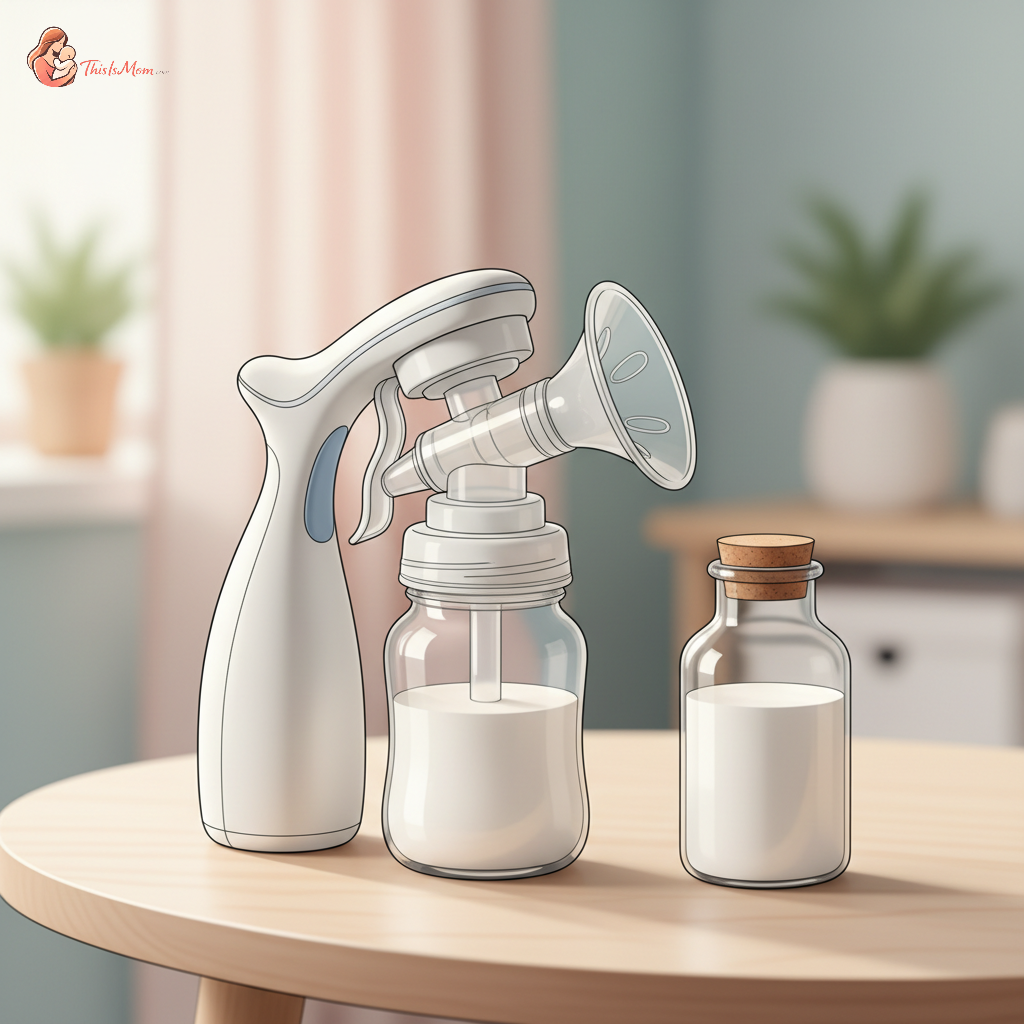
Best Manual Breast Pump for Emergency Stash & Occasional Use
In just 5 minutes, you'll know exactly which manual breast pump to buy for your emergency stash or occasional needs. As a mom of twins and a former consultant, I cut through the noise to give you actionable advice. You don't need a top-of-the-line electric pump if you're primarily nursing but want a backup or a way to build a small milk stash. I tested the leading manual pumps, and the difference in ease of use and efficiency is significant. Let's get you sorted.
The 'Just-in-Case' Stash: Why It Matters
Honestly, every nursing mom needs a manual breast pump for emergency stash building and occasional use, even if you're a breastfeeding champion. Life with a baby is unpredictable. A small stash of breast milk offers invaluable peace of mind.
- Unexpected Illness: If you or the baby get sick, having pumped milk means your little one can still receive your antibodies and nutrition without you needing to be physically present for every feeding.
- Sudden Departures: Sometimes, you need to leave the house unexpectedly. A bottle of your milk allows your partner or a caregiver to feed the baby, giving you a bit more flexibility.
- Date Nights & Me-Time: Want to reclaim an hour for yourself or go on a date with your partner? A pumped bottle is your ticket.
- Supplementing When Needed: If your baby has a growth spurt and seems extra hungry, or if you're experiencing a temporary dip in supply, a pumped bottle can help tide them over.
The goal here isn't to build a freezer farm, but to have a few precious ounces ready for those "just-in-case" moments. A good manual pump is your best friend for this.
Occasional Pumping: Relief, Flexibility, and Dates!
Pumping occasionally offers more than just stash-building opportunities. It can provide physical relief if your breasts feel overly full between feedings, especially in the early weeks. It also grants you a degree of flexibility you wouldn't otherwise have. Imagine being able to attend a doctor's appointment without the baby, or simply enjoying a longer shower. A hand pump for occasional use makes these scenarios manageable.
Manual vs. Electric: When to Pick Which
This is where many moms get confused.
- Electric Pumps (Double Electric): These are designed for frequent, long-term pumping, such as exclusive pumping or returning to work full-time. They are efficient but often bulky and expensive.
- Manual Pumps: These are perfect for:
- Occasional Pumping: When you only need to pump a few times a week or month.
- Building a Small Stash: As discussed, for those 'just-in-case' needs.
- Travel: They are compact and don't require power.
- Stimulating Let-down: Sometimes the manual action can help initiate a let-down more effectively for some moms.
- Relief Pumping: For quick relief of engorgement.
If your goal is to pump maybe 1-3 times a week, or to collect milk for a small stash, a manual pump is the clear winner. It's cost-effective, portable, and straightforward. For moms returning to work and needing to pump regularly, consider a breast pump for working moms with low supply covered by insurance.
What to Look For in a Manual Breast Pump for Occasional Use
Not all manual pumps are created equal. Here’s what I focused on during my testing:
Efficiency & Suction Power (Hands-on Experience)
Can it actually get the milk out effectively? I paid attention to how many pumps it took to initiate let-down and to empty the breast. Some pumps require a lot of effort for minimal output, which is frustrating. The best ones find a balance between effort and efficiency.
Comfort and Ergonomics: Your Hands Will Thank You
You'll be doing the pumping motion yourself, so how the handle feels and how much pressure is required is crucial.
- Handle Grip: Is it comfortable for your hand? Does it cause cramping or fatigue quickly?
- Suction Strength: Can you control the intensity without straining your hand?
- Flange Fit: While most manual pumps come with a standard size, a comfortable flange is key to pain-free pumping. Some offer different sizes or have soft inserts.
A pump that's uncomfortable to hold or operate will make you dread pumping sessions.
Portability & Discretion: Pump Anywhere, Anytime
If you're building a stash or pumping on the go, portability is paramount.
- Size and Weight: Does it fit easily into a diaper bag or purse?
- Components: How many pieces are there? Are they easy to keep track of?
- Discretion: Can you use it without drawing too much attention if you're out and about?
Ease of Cleaning & Assembly: Less Time Scrubbing, More Time Snuggling
This is non-negotiable. You want a pump that's simple to take apart, wash, and reassemble. Too many small parts or intricate designs mean more time spent on cleanup and a higher chance of losing a piece.
Our Top Picks: Best Manual Breast Pumps for Stash Building & Occasional Pumping
After extensive testing, these are my top recommendations for building a freezer stash or for occasional pumping needs.
Medela Harmony: The Reliable Workhorse
The Medela Harmony is a classic for a reason. It features 2-Phase Expression Technology, meaning it mimics a baby's natural sucking rhythm with a short, quick suction to stimulate let-down and a longer, slower suction to draw milk out.
Discover your baby's phase
- Pros:
- Very efficient milk removal.
- Comfortable handle with good grip.
- Relatively few parts, easy to clean.
- Widely available and trusted brand.
- Good for learning your body's pumping rhythm.
- Cons:
- Can be slightly pricier than other manual options.
- The breast shield might feel a bit stiff to some.
- Best for: Moms who want a reliable, efficient pump that feels close to a baby's natural nursing.
- Skip if: You need something extremely compact or are on a very tight budget.
Lansinoh Manual Pump: Budget-Friendly & Effective
Lansinoh offers a solid manual pump for freezer stash building that won't break the bank. It's straightforward to use and effective for its price point.
- Pros:
- Excellent value for money.
- Comfortable, ergonomic handle.
- Includes a breast milk storage bottle and lid.
- Simple design, easy to assemble and clean.
- Cons:
- May require more pumping strokes than higher-end models for full efficiency.
- Suction control isn't as nuanced as some others.
- Best for: Moms on a budget prioritizing functionality and value.
- Skip if: You need the absolute fastest milk output or highly adjustable suction.
Haakaa Silicone Pump: The Passive Milk Catcher (A Game-Changer!)
This isn't a traditional manual pump, but it's a must-have for many moms looking to collect let-down milk or pump a small amount with minimal effort. You simply suction it onto your breast, and it uses gentle vacuum pressure to draw out milk as your baby nurses on the other side, or on its own.
- Pros:
- Effortless milk collection – just attach and go.
- Excellent for catching let-down during nursing.
- Incredibly portable and quiet.
- Easy to clean (boil to sterilize).
- Made from 100% food-grade silicone.
- Cons:
- Not designed for active stimulation or emptying the breast.
- Suction can be lost if not attached properly.
- Can feel a bit 'weird' to use initially.
- Best for: Moms wanting to passively collect let-down milk, build a small stash with zero effort, or for quick relief.
- Skip if: You need to actively stimulate supply or fully empty your breast for engorgement relief.
Philips Avent Manual Pump: Gentle & Ergonomic
Philips Avent's offering is known for its comfortable design. The soft massage cushion on the flange is meant to mimic the baby's sucking to gently stimulate milk flow.
- Pros:
- Very comfortable flange and cushion.
- Gentle suction, good for sensitive nipples.
- Ergonomic handle design reduces hand fatigue.
- Easy to assemble and clean.
- Cons:
- Milk output might be slower compared to some other manual pumps.
- Can be slightly less powerful for deep emptying.
- Best for: Moms prioritizing comfort and gentleness, especially those with sensitive nipples.
- Skip if: Speed and maximum milk extraction are your primary concerns.
Tips for Successful Occasional Pumping & Stash Building
Whether you're using a manual pump or a Haakaa, here's how to make the most of it.
When to Pump: Timing Is Everything
- During Baby's Feed: The easiest way to collect extra milk is to use a manual pump or Haakaa on the breast baby is not nursing from. This catches the let-down reflex.
- After a Feeding: If you feel like your breast isn't fully emptied or you want to build supply, pump for 5-10 minutes after a baby finishes nursing. This can help if you are dealing with
low supplyor want to increase your stash. - Between Feedings: If you need relief or want to collect milk, pump 1-3 hours after a feeding, but be mindful not to overstimulate if you're trying to maintain your current supply.
Maximizing Milk Output with a Manual Pump
- Warm Compress: Apply a warm compress to your breast before pumping to encourage milk flow.
- Massage: Gently massage your breast while pumping.
- Rhythm: Experiment with the pump's handle. Try short, fast pumps to stimulate let-down, followed by longer, slower pumps to empty.
- Relax: This is key! Stress inhibits let-down. Try to be in a calm environment. Look at photos of your baby or think about them.
- Flange Fit: Ensure the flange fits correctly. If it's too small or too large, it can be inefficient and painful.
Safe Storage of Your 'Emergency' Milk Stash (CDC Guidelines)
Proper storage is critical for the safety of your pumped milk.
- Freshly Pumped Milk:
- Room Temperature: Up to 4 hours
- Refrigerator: Up to 4 days
- Freezer: 6 months is best quality, up to 12 months is acceptable.
- Storage Containers: Use clean, BPA-free breast milk storage bags or containers.
- Labeling: Always label containers with the date and time of pumping.
- Thawing & Warming: Thaw frozen milk in the refrigerator or under warm running water. Warm it gently in a bowl of warm water; never microwave breast milk.
Making the Right Choice for Your Nursing Journey
Choosing the right manual breast pump for your specific needs is about matching the tool to your lifestyle.
Match the Pump to Your Lifestyle
If your priority is effortless let-down collection, the Haakaa is a no-brainer. If you need a more traditional pumping experience for occasional relief or to build a small stash, the Medela Harmony offers top efficiency, while the Lansinoh provides excellent value. For ultimate comfort, the Philips Avent is a strong contender.
Consider Your Budget & Needs
Manual pumps are significantly cheaper than electric ones. The Haakaa and Lansinoh are generally the most budget-friendly. The Medela and Philips Avent might cost a bit more but offer specific features like advanced let-down simulation or superior comfort.
When to Call the Pros: Lactation Support
Remember, a pump is a tool. If you're experiencing significant pain, low supply issues, or have concerns about your baby's latch or weight gain, reach out to an International Board Certified Lactation Consultant (IBCLC). They can provide personalized guidance and support for your breastfeeding journey. They can also help with flange sizing and pumping techniques.
Your nursing journey is unique. A good manual pump can be a valuable addition, offering peace of mind and flexibility without the commitment or cost of an electric model. Choose the one that best fits your life, and enjoy those precious ounces of milk!