Best Manual Breast Pump for Occasional Comfort Trips & Travel
Find the best manual breast pump for occasional comfort trips. Expert reviews on Medela, Lansinoh, Philips Avent, and Haakaa for travel, portability, and quick relief.
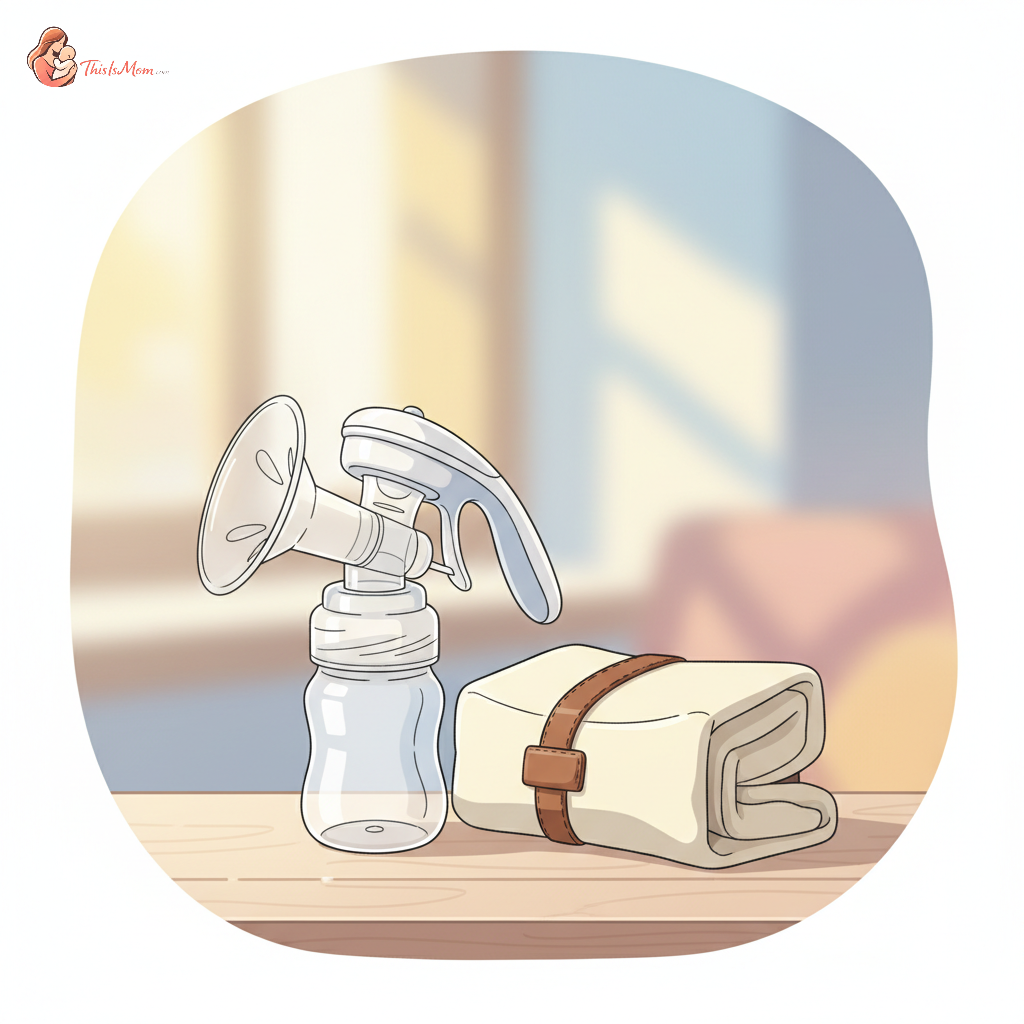
Best Manual Breast Pump for Occasional Comfort Trips
In just 5 minutes, you'll know exactly which manual breast pump to buy for those quick comfort trips, and which ones to skip. I tested four of the most popular models, focusing on portability, ease of use, and discreetness. Honestly, the differences are significant when you're trying to get relief without a fuss.
Why a Manual Pump is Your Best Secret Weapon for Occasional Comfort
Let’s cut to the chase: an electric pump is a powerhouse for establishing supply or consistent pumping. But for those moments when you need quick relief, a discreet option for an afternoon out, or something to pack for a weekend getaway, a manual breast pump for occasional comfort trips is often the superior choice. It’s not about replacing your primary pump; it’s about supplementing your routine with ultimate flexibility.
Beyond the Electric: When Less is More
Electric pumps are fantastic, but they can be bulky, noisy, and require an outlet or significant battery life. A manual pump is a simple, quiet, and highly portable alternative. Think of it as your easy-access option when an electric pump is overkill or simply not practical. For occasional pumping, simplicity often wins.
Is It Okay to Pump Occasionally? (Yes, and Here's Why!)
Absolutely. Pumping occasionally for comfort, to relieve engorgement, or to have a small stash for a short outing is perfectly fine and doesn't typically disrupt your milk supply. The key is to listen to your body and pump when you feel the need for relief. Research suggests that occasional emptying generally supports your body’s natural processes without triggering significant changes in production, especially in established breastfeeding relationships.
The Freedom of Flexibility: Pumping On Your Terms
The best manual breast pump for travel or comfort offers unparalleled freedom. You're not tied to an outlet or a bulky device. This allows you to manage your comfort discreetly in a car, at a friend’s house, or even during a long flight. It’s about reclaiming a bit of control and comfort on your own terms, without complex setup.
Essential Features: What to Look for in a 'Comfort Trip' Manual Breast Pump
When you’re not pumping regularly, the criteria for your pump shift. You want something that minimizes hassle and maximizes convenience. Here’s what to prioritize for your manual breast pump for occasional comfort trips.
Size & Weight: The Ultimate Travel Companions
This is non-negotiable. Your manual pump should fit easily into a diaper bag, purse, or even a large pocket. Lightweight construction means you won’t even notice it’s there until you need it.
Assembly & Cleaning: Keep it Simple, Mama
The last thing you want is a complex mechanism that takes five minutes to assemble or clean when you’re feeling engorged or short on time. Look for pumps with minimal parts that can be quickly rinsed or washed. Dishwasher-safe components are a significant bonus.
Discretion & Comfort: Pumping On-the-Go
A quiet operation is key for discreet pumping. You don't want a loud suction noise drawing attention. The flange (the part that fits over your breast) should also be comfortable; a poorly fitting flange can cause pain and is a common complaint with basic manual pumps.
Suction Power: Enough for Relief, Not a Marathon
For occasional comfort, you don't need hyper-efficient, high-volume suction. You need gentle, effective suction that provides relief and can express milk without being painful. Adjustable suction levels are a plus, allowing you to fine-tune the comfort.
Top Manual Breast Pumps for Occasional Use & Travel (Reviews)
I put these to the test over several outings and weekend trips. My focus was on ease of use, portability, and how quickly I could achieve comfort and express a small amount of milk.
Medela Harmony: The Tried and True
Medela is a brand many moms trust, and the Harmony manual breast pump lives up to that reputation.
- Pros:
- Ergonomic handle designed for comfortable one-handed use.
- Two-phase expression technology mimics baby’s natural sucking.
- Relatively few parts, making it easy to clean and assemble.
- Compact and lightweight for travel.
- Cons:
- Can be slightly pricier than other basic manual options.
- Some users find the handle takes a bit of getting used to.
- Best For: Moms who want a familiar, reliable brand and appreciate the two-phase technology even for occasional pumping.
- Skip If: You’re on an extremely tight budget and don’t need the advanced simulation features.
Lansinoh Manual Breast Pump: Compact & Efficient
This pump is a solid contender for its straightforward design and efficient pumping action.
- Pros:
- Very compact and lightweight, perfect for stuffing into any bag.
- Comfortable, soft silicone flange for a gentler experience.
- Simple design with few parts for easy cleaning.
- Often more budget-friendly.
- Cons:
- Suction might feel less powerful than Medela for some.
- Handle can feel a bit less refined than premium options.
Discover your baby's phase
- Best For: Moms prioritizing a compact, easy-to-clean option that delivers good performance for the price.
- Skip If: You're looking for the absolute most powerful suction.
Philips Avent Manual Breast Pump: Gentle Comfort
Philips Avent consistently focuses on comfort, and it shows with this manual breast pump.
- Pros:
- Soft, massaging breast cushion designed to stimulate milk flow.
- Ergonomic handle for easy pumping.
- Intuitive assembly and cleaning process.
- Good balance of comfort and efficiency.
- Cons:
- Can be a bit bulkier than the Lansinoh model.
- The flange might not be ideal for everyone; consider trying a different size if needed.
- Best For: Moms who often experience discomfort and need a pump that prioritizes gentle stimulation.
- Skip If: Ultimate pocket-portability is your absolute top priority.
Haakaa Silicone Pump: Your Silent Milk Catcher
While not a traditional manual pump with suction and release, the Haakaa deserves a mention for its unique approach to occasional milk collection.
- Pros:
- Extremely compact, totally silent, and very discreet.
- No batteries or cords needed.
- Simply place it on your breast to catch letdown.
- Easy to clean (boil to sterilize).
- Great for catching letdown while nursing on the other side.
- Cons:
- It's a passive collector, not an active pump. You can't "pump" on demand with it; it relies on natural letdown.
- Suction can fade over time.
- Requires a strong letdown reflex to be effective for collecting significant amounts.
- Best For: Moms who want to passively collect letdown during nursing or very occasional, effortless relief.
- Skip If: You need to actively pump milk for feeding or want to relieve engorgement through active suction.
How to Use Your Manual Breast Pump for Quick Relief
Mastering a manual breast pump for occasional use is surprisingly simple, but a few tips make it even better.
Mastering the Technique: A Quick Guide
- Assemble: Ensure all parts are clean and dry. Assemble according to the manufacturer’s instructions.
- Position: Sit comfortably and center the breast flange over your nipple. Ensure a good seal.
- Pump: Gently and rhythmically squeeze the handle. Mimic your baby’s sucking pattern: short, quick sucks to stimulate letdown, followed by longer, slower sucks to express milk.
- Listen to Your Body: Adjust your pumping rate and pressure based on your comfort. Aim for a sensation of pulling, not pain.
- Express: Continue pumping until you feel relief or have collected the desired amount.
- Disassemble & Store: Safely detach the pump from your breast. Store expressed milk appropriately if needed.
Cleaning and Storing: Essential Tips for On-the-Go
For travel and occasional use, speed is key.
- Quick Rinse: After each use, rinse the flange and any parts that came into contact with milk with cool water.
- Wash Thoroughly: At the end of the day or when you have access to soap and water, wash all parts with hot, soapy water and rinse well.
- Sterilize Periodically: Most manual pump parts can be sterilized by boiling them for 5 minutes or using a steam sterilizer bag. Do this at least once a day if possible, or every few uses.
- Air Dry: Allow all parts to air dry completely on a clean towel or drying rack before reassembling and storing.
When to Pump: Timing for Comfort and Supply
For occasional comfort, the timing is simple: pump when you feel engorged or uncomfortable. This is typically:
- Before feeding: If you are uncomfortably full and your baby is not yet hungry.
- Between feedings: If you feel significant discomfort or fullness and your baby nursed a while ago.
- Before a long outing: If you anticipate being away from your baby for several hours and want to avoid engorgement.
Remember, occasional pumping is for relief, not for establishing supply.
Making the Right Choice: Your Personal Pumping Companion
Choosing the best manual breast pump for your occasional needs comes down to a few key considerations. You’re looking for a tool that offers relief and portability without adding stress.
Matching Your Needs to the Pump
- For maximum portability and simplicity: The Lansinoh Manual Breast Pump is a strong choice.
- For a familiar brand and advanced comfort features: The Medela Harmony is dependable.
- For prioritizing gentle comfort and massaging action: The Philips Avent Manual Breast Pump stands out.
- For passive letdown collection while nursing: The Haakaa Silicone Pump is a unique, silent option.
Read the Manual: Important Safety and Usage Info
No matter which pump you choose, always take a moment to read the included manual. It contains vital information on safe assembly, cleaning protocols, and any specific usage recommendations to ensure you get the most effective and hygienic experience. Understanding how to care for your pump will extend its life and keep you comfortable.
This isn't about building a pumping empire; it's about having a trusted companion for those moments you need a little extra comfort and convenience.