15 Best On-the-Go Toddler Snacks for Amusement Parks
Discover the best non-perishable, easy-to-eat toddler snacks for amusement parks. Prevent meltdowns and save money with these healthy, park-friendly ideas and packing tips.
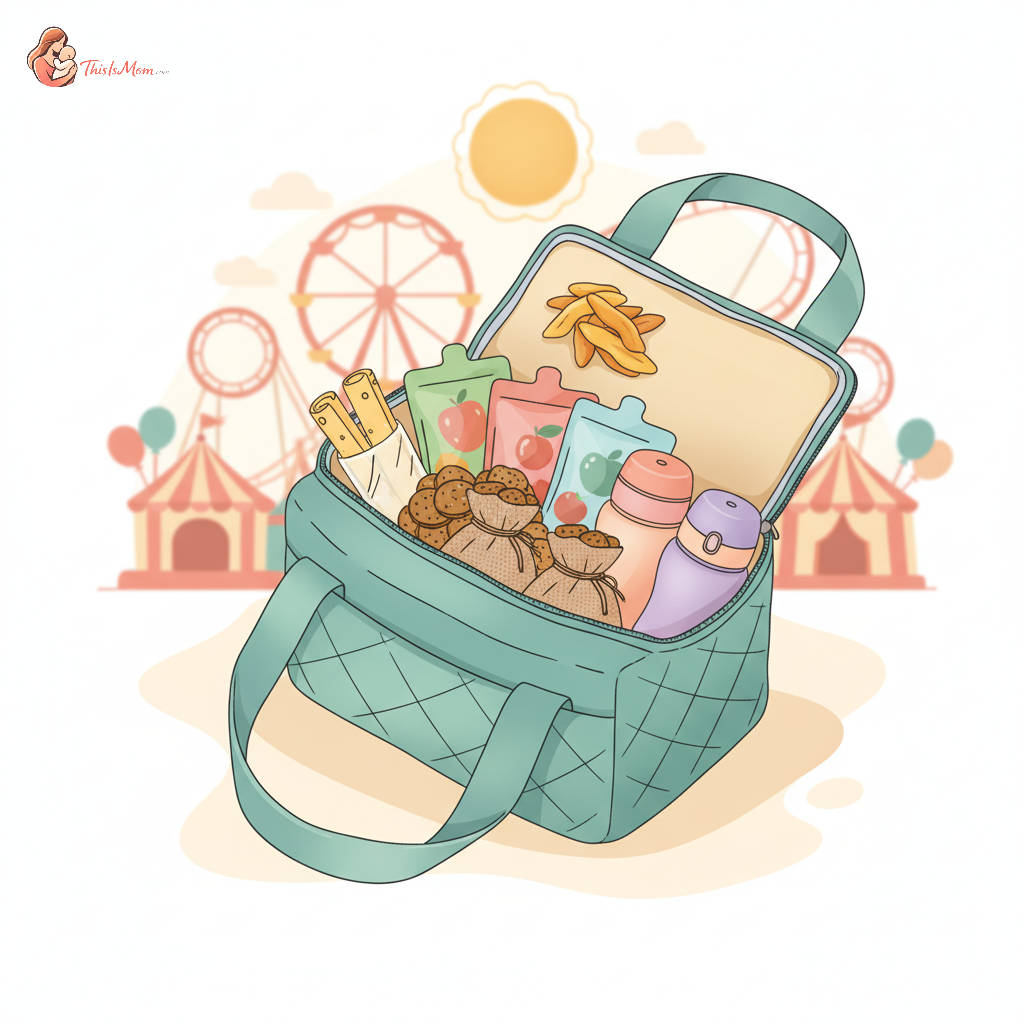
Best On-the-Go Toddler Snacks for Amusement Parks
In just a few minutes, you'll know exactly which snacks to pack for your next amusement park trip with your toddler, and which ones to leave at home. I've navigated the chaos of theme parks with my own twins more times than I care to admit, armed with coolers, ziplocks, and a desperate hope for sanity. The difference between a magical day and a sticky, tear-filled ordeal often comes down to a few key snack choices. Forget the overpriced, sugar-laden options inside the gates – the best on-the-go toddler snacks for amusement parks are the ones you bring yourself.
Why Bringing Your Own Toddler Snacks is Non-Negotiable
Let's be honest, amusement park food is a trap. A delicious, but incredibly expensive, trap. Packing your own toddler snacks for theme park adventures isn't just about saving money (though that's a huge win). It's about managing your child's energy levels and preventing those inevitable meltdowns fueled by hunger and overstimulation.
- Cost Savings: Markups inside parks are astronomical. A few dollars spent on snacks at home can save you $50 or more over the course of a day.
- Meltdown Prevention: Toddlers have small stomachs and a lot of energy to burn. Consistent, healthy snacks keep their blood sugar stable, warding off the "hangry" monster before it even appears.
- Nutritional Control: You know what your child needs. Park vendors rarely offer genuinely healthy options. Packing means you control the ingredients and stick to what fuels their little bodies.
- Convenience: When your toddler needs a snack now, you don't want to be hunting down a vendor or waiting in a long line. Having snacks readily accessible is key.
The Anatomy of an Amusement Park Toddler Snack Champion
Not all snacks are created equal, especially when you're battling crowds, heat, and unpredictable schedules at an amusement park. Here’s what makes a snack truly park-ready for your little one:
- Non-Perishable Power: This is non-negotiable. Without access to a cooler or refrigeration, your snacks need to withstand hours at ambient temperature. Think dried fruits, crackers, and shelf-stable pouches. Avoid letting your toddler suffer from a stomach bug and then refusing food; ensure they have easy snacks available.
- Effortless Eating: Anything that requires complex assembly, utensils, or is prone to spewing is a no-go. Easy toddler snacks are grab-and-go friendly, mess-minimal, and ideally, can be eaten with one hand.
- Nutrient-Dense Fuel: Toddlers need more than just empty calories. Look for snacks that offer sustained energy from complex carbohydrates, healthy fats, and protein. This means avoiding pure sugar bombs that lead to a quick crash.
- Travel-Smart Packaging: Snacks should be durable enough to survive being tossed in a bag. Individually wrapped items are great for portion control and hygiene, but also consider reusable containers for bulkier items that seal well.
My Top Picks: The Best On-the-Go Toddler Snacks for Amusement Parks
After extensive real-world testing (read: surviving multiple park days with my own kids), here are the amusement park snacks kids will actually eat and that you’ll feel good about packing.
Fruit-Forward Fuel
Fruits are nature's candy, providing essential vitamins and fiber. When packed smartly, they're perfect amusement park snacks for kids.
- Dried Fruit (Raisins, Apricots, Mangoes): Choose unsweetened varieties. They’re shelf-stable, compact, and offer natural sweetness and energy. Look for single-serving boxes or portion them into reusable bags. Pros: Portable, long-lasting, naturally sweet. Cons: Can be a choking hazard for very young toddlers; ensure they are soft or cut appropriately.
- Fruit Leather/Roll-Ups (No Added Sugar): A fun, engaging option for toddlers. Opt for brands that are 100% fruit with no added sugars or high-fructose corn syrup. Pros: Kid-favorite format, easy to handle. Cons: Some brands are still very high in sugar, even if natural.
- Applesauce/Fruit Puree Pouches: These are fantastic. They are self-contained, easy to eat, and provide hydration along with nutrients. They hold up well for a day without refrigeration. Pros: Low mess, portable, hydrating. Cons: Can create waste if not disposing of pouches properly; choose BPA-free options.
- Freeze-Dried Fruit (Berries, Apple Slices): Lightweight, crunchy, and packed with flavor. They don't get sticky or mushy. Pros: Excellent shelf life, dissolves easily, nutrient-rich. Cons: Can be pricier than other options.
Protein for Staying Power
Protein is crucial for sustained energy and keeping hunger at bay between meals. These are your healthy toddler snacks on the go MVPs.
- Cheese Sticks/Cubes: Individually wrapped hard cheeses like cheddar or Colby Jack can last a few hours unrefrigerated, especially if the weather isn't extremely hot. Pros: Excellent source of protein and calcium. Cons: Can get a little oily in very warm weather; avoid soft cheeses.
- Nut Butter Packets (Peanut, Almond, Sunflower): These have become a lifesaver. Perfectly portioned, no-mess packets are easy to squeeze onto crackers or eat straight. Pros: High in protein and healthy fats, shelf-stable. Cons: Check park policies regarding nuts; some venues are nut-free. Consider how to balance toddler screen time at different caregivers' homes to keep consistency.
- Hard-Boiled Eggs: Pre-peeled and stored in a sturdy container, these are a protein powerhouse. They’ll stay safe for several hours while you're out and about. Pros: Packed with protein, fulfilling. Cons: Some kids dislike the texture.
- Meat Sticks/Jerky (Low Sodium, Toddler-Friendly): Look for specifically-made toddler jerky or very thinly sliced, low-sodium meat sticks. Pros: High protein, savory option. Cons: Can be too tough or salty for younger toddlers; check ingredients carefully.
Smart Crunch & Grain Options
Discover your baby's phase
For a satisfying crunch that also provides fiber and complex carbs, these are your go-to choices.
- Whole Grain Crackers: Opt for crackers made with whole wheat flour, or those with seeds and minimal added sugar. Pair them with nut butter packets or cheese. Pros: Good source of fiber, versatile. Cons: Can be crushed if packed loosely. A good alternative to pure junk food when you need screen time alternatives for doctor's waiting room.
- Rice Cakes (Plain or Lightly Flavored): Lightweight and easy to digest. They are a blank canvas for toppings or great on their own for a light crunch. Pros: Allergy-friendly for many, easy to eat. Cons: Can be crumbly.
- Pretzels (Whole Grain Preferred): A classic snack that’s generally well-tolerated. Look for whole grain versions for added nutrients. Pros: Savory, satisfying crunch. Cons: High in sodium if consuming a lot.
- Oatmeal Bars/Energy Bites: Homemade or carefully selected store-bought bars made with oats, seeds, and dried fruit (minimal added sugar) are excellent. Pros: Sustained energy release, customizable. Cons: Can be a choking hazard if too dense or chewy for younger toddlers.
Hydration Heroes
While water is essential, these offer a little extra.
- Water (Always!): Bring reusable water bottles and refill them at designated stations. Staying hydrated is paramount.
- Diluted Juice Boxes/Pouches: If you choose juice, dilute it significantly with water. Opt for 100% juice with no added sugars. Pros: Palatable for picky drinkers. Cons: Still a source of sugar; can be sticky if spilled.
- Electrolyte Drinks (Occasional Use): For extremely hot days or very active children, a small amount of electrolyte drink can be beneficial, but use sparingly due to sugar content.
Packing Like a Pro: Your Park Day Snack Strategy
The best snacks don't stay the best if they're packed poorly. A little prep goes a long way.
- The Right Bag:
- Insulated Lunch Bag: Your best bet for keeping snacks cool and fresh for longer, especially cheese or hard-boiled eggs.
- Mesh or Standard Backpack: Works well for non-perishables like crackers, dried fruit, and pouches. Always have a dedicated snack bag so you aren't digging through spare clothes. You might also need a bag for items if you're worried about them turning into sick toddler inside apartment situations.
- Portion Control is Key: Pack snacks in individual servings. This prevents overeating and makes distribution seamless. Use small reusable containers or original packaging. Avoid bringing giant bags of anything.
- Waste Management: Amusement parks often have strict rules about what you can bring in, but they also expect you to tidy up. Bring a small bag for trash. Pack it in, pack it out – leave your snack spot cleaner than you found it.
Your Mission: Park Day Snack Prep Checklist
The less you have to think about on the morning of your park visit, the better.
Before You Go: The Shopping Run
- 1 Week Prior:
- Inventory your pantry for existing non-perishable toddler snacks travel items.
- Make a list of specific items to purchase (pouches, crackers, dried fruit, nut butter packets).
- 2-3 Days Prior:
- Purchase all non-perishable snacks.
- Buy any fresh items like cheese or eggs.
The Night Before: Snack Assembly
- Wash and Portion: Wash any produce (like grapes, if you're bringing them and cutting them) and portion into baggies or containers.
- Prepare Perishables: Boil eggs, peel them, and store them in a hard-sided container. Portion cheese.
- Assemble Snack Bags: Group snacks by category or by mealtime (e.g., "Morning Snacks," "Afternoon Snacks").
- Pack the Bag: Load non-perishable items into your main park bag. If using an insulated bag, get it ready to be filled in the morning.
Morning Of: The Final Touches
- Fill the Cooler: Add ice packs to your insulated bag. Place perishable items (cheese, eggs, any chilled pouches) inside.
- Last-Minute Additions: Add any fresh fruit or items that might get squashed if packed overnight.
- Hydration Check: Ensure water bottles are filled.