Best Pacifier for Breastfed Baby: No Latch Confusion Guide
Discover the best pacifiers for breastfed babies that won't cause nipple confusion or affect latch. Learn what to look for and top recommendations.
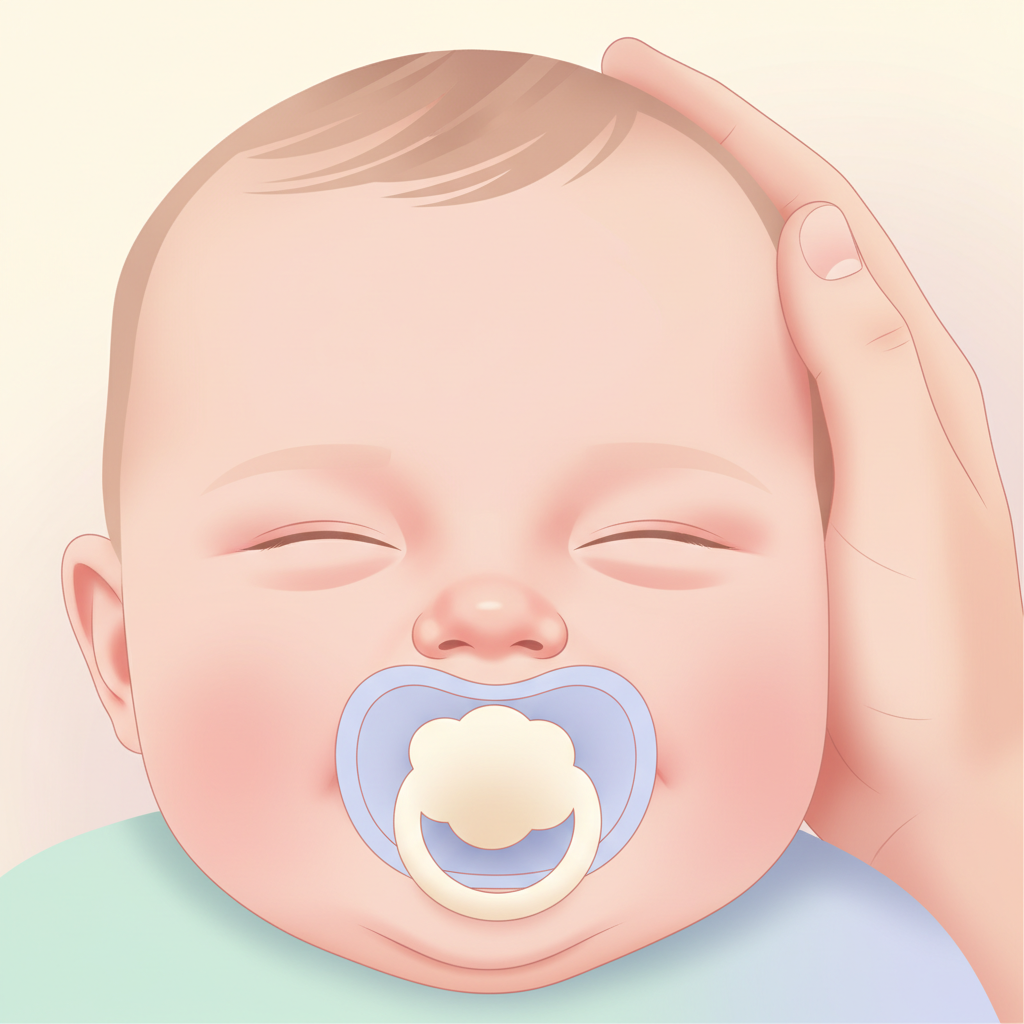
Best Pacifier for Breastfed Babies: No Latch Confusion!
In 5 minutes, you'll discover which pacifier can provide comfort without sabotaging your breastfeeding journey. As a mom of twins who ’s navigated the minefield of baby gear, I ’ve tested countless pacifiers specifically with breastfed infants in mind. The goal? To offer comfort without creating nipple confusion. The wrong pacifier can undo hours of hard work establishing a good latch; the right one can be a lifesaver. Finding the best pacifier for a breastfed baby requires a critical look at nipple shape, material, and design. This guide cuts through the noise to tell you what actually works.
Why the ‘Right’ Pacifier Doesn't Have to Be a Myth
Introducing a pacifier to a breastfed baby is like walking a tightrope. It can offer significant benefits, but one wrong move can lead to trouble. Understanding how pacifiers interact with breastfeeding is crucial before you even pick one up.
Nipple Confusion: Myth or Real Threat?
The term "nipple confusion" is a bit of a misnomer. It ’s not that babies get confused; rather, the mechanics of sucking on a bottle nipple or a pacifier differ from breastfeeding. A breastfed baby learns a specific, deep latch for optimal milk transfer and jaw development. Some pacifier shapes can encourage a shallower latch or different tongue positioning, which can interfere with breastfeeding efficiency. The goal is to find a pacifier that requires a similar sucking motion to breastfeeding, minimizing that interference. Learning about paced bottle feeding can also help ensure your baby's sucking mechanics are supported during feeds.
Oral Development & Pacifiers: What Experts Say
Dentists and pediatricians often weigh in on pacifier use. The American Academy of Pediatric Dentistry (AAPD) and many orthodontic associations note that prolonged, habitual pacifier use beyond age 2 or 3 can impact dental alignment and the development of the palate. However, for younger infants, especially those struggling with soothing or latching issues, a thoughtfully designed pacifier can be a valuable tool. The key is selecting one that supports natural oral development, not hinders it. Many dentists recommend pacifiers with natural rubber or silicone nipples that are shaped to mimic the breast.
What Makes a Pacifier Breastfeeding-Friendly?
Not all pacifiers are created equal, especially for breastfed babies. You need to look for specific design elements that consider the unique way babies feed at the breast.
Nipple Shape: Mimicking the Breast
This is the most critical factor. Look for pacifiers with elongated, contoured nipples. These are designed to mimic the natural shape of a mother's nipple during breastfeeding, encouraging a similar wide, deep latch and deep suction. Avoid overly round nipples or those with a very narrow base, as these can require a different sucking technique. A "breast-like" pacifier is often characterized by a nipple that flattens somewhat during sucking, similar to how a nursing baby compresses the breast nipple.
Material Matters: Silicone vs. Natural Rubber
- Silicone: Medical-grade silicone is generally preferred for its durability, hygiene, and hypoallergenic properties. It's odorless and tasteless. High-quality silicone pacifiers often have a soft, smooth feel.
- Natural Rubber: Derived from the latex of rubber trees, natural rubber has a softer, more elastic feel that many babies prefer, as it can be very similar to the breast. It has a distinct, slightly sweet taste. However, it can be less durable than silicone and may degrade over time. It's also important to be aware of latex allergies.
For breastfed babies, a softer nipple material that offers flexibility is often best. Both high-quality silicone and natural rubber can work well, depending on your baby's preference.
Size & Shield Design: Comfort and Safety
- Size: Pacifiers come in different sizes, often correlating with age ranges (e.g., newborn, 0-3 months, 3+ months). Ensure the nipple length and width are appropriate for your baby ’s age and mouth size to ensure a deep latch and avoid choking hazards.
- Shield: A well-designed shield is crucial. It should be large enough to prevent the pacifier from being swallowed by the baby. It should also have ventilation holes to prevent saliva buildup, which can lead to skin irritation around the baby's mouth. The shield should curve away from the baby's face for comfort and to allow for easy breathing.
Top Pacifier Picks for Breastfed Babies (and Why We Love Them)
After testing several options, a few stand out for their thoughtful design and positive impact on breastfed infants.
The ‘Breast-Like’ Contender: Ninni Co Pacifier Review
The Ninni Co pacifier is arguably one of the most highly-regarded options for breastfed babies, and for good reason.
- Nipple Design: Its most significant feature is the nipple's shape and texture, specifically engineered to mimic the natural breast. It ’s elongated and contoured, encouraging the same wide, deep latch that breastfeeding requires. It flexes and elongates as the baby sucks, mirroring the breast.
- Material: It ’s made from 100% medical-grade silicone, ensuring safety, durability, and ease of cleaning. It ’s BPA, BPS, PVC, and phthalate-free.
- Comfort & Safety: The shield is designed to curve away from the face, preventing irritation. The unidirectional airflow system helps reduce saliva buildup and associated rashes.
Why I Recommend It: This pacifier truly stands out for its commitment to mimicking the breastfeeding experience. I saw a noticeable difference in my twins' ability to transition from breast to pacifier with the Ninni Co compared to other brands. It ’s a worth the splurge option if nipple confusion is your primary concern.
Other Top Contenders for 0-3 Months & Beyond
Discover your baby's phase
While Ninni Co is a front-runner, other brands offer excellent options designed with breastfed babies in mind.
- BIBS Supreme: These Danish-made pacifiers feature a symmetrical, orthodontic nipple shape that is designed to flatten, similar to the breast. They come in various sizes suitable for newborns up to 18 months. The natural rubber latex offers a soft, familiar feel.
- HOSPITAL GRADE Pacifiers (e.g., MAM, Philips AVENT Soothie): While not explicitly marketed as "breast-mimicking," many parents find success with these. The Soothie, in particular, has a one-piece silicone construction and a nipple shape that some babies adapt to easily. They are often used in NICUs, lending them credibility for gentle use. The MAM pacifiers have a nipple that is flatter and wider than traditional pacifiers, which can also be easier for breastfed babies. Some parents even use these when discussing how to combo feed effectively.
Natural Pacifier Options: A Closer Look
For parents prioritizing natural materials, a few excellent choices exist.
- Hevea Natural Rubber Pacifiers: These are made from 100% natural rubber latex and have a one-piece design (no glued parts). They are molded from a single piece of rubber, making them very hygienic and durable for natural rubber. Hevea offers both rounded and orthodontic shapes. The rounded shape generally mimics the breast nipple more closely.
- Natursutten Natural Rubber Pacifiers: Similar to Hevea, Natursutten uses 100% natural rubber latex. Their pacifiers have a unique design where the shield slightly protrudes, which can help prevent the pacifier from being sucked too far into the mouth. The nipple is often described as very soft and pliable.
Best for: Parents who prioritize natural rubber and a soft, pliable nipple.
Skip if: Your baby has a known latex allergy or if you ’re looking for extreme durability; natural rubber can wear down faster.
When to Introduce a Pacifier (and When to Hold Off)
Timing is critical, especially with breastfeeding.
AAP Guidelines: Timing is Everything
The American Academy of Pediatrics (AAP) generally recommends waiting until breastfeeding is well-established before introducing a pacifier. For most babies, this means waiting until they are about 3-4 weeks old. This typically ensures they have mastered the latch and feeding routine. Introducing too early can sometimes lead to challenges with milk transfer and weight gain. If you are considering weaning from nighttime breastfeeds, a pacifier might be introduced later to aid the transition.
Monitoring Your Baby's Latch: Signs to Watch For
Before introducing a pacifier, observe your baby's feeding behavior:
- Effective Latch: Is your baby latching deeply, with their mouth wide open around the areola?
- Comfortable Suckling: Does your baby suckle rhythmically and consistently, with audible swallowing?
- Satisfied After Feeding: Does your baby seem content and full after nursing sessions?
- Weight Gain: Is your baby gaining weight appropriately according to your pediatrician ’s guidance?
If you answer yes to these, your breastfeeding relationship is likely well-established. If you have concerns, consult a lactation consultant before introducing a pacifier.
Real Parents, Real Stories: Testimonials & Tips
The best reviews often come from parents who ’ve been in the trenches.
My Baby Loves It: Success Stories
"After struggling with my breastfed baby ’s latch, we tried the Ninni Co pacifier on the recommendation of our lactation consultant. It was like magic! He latched onto it perfectly, and it felt so similar to nursing. We finally had a way to soothe him without worrying about nipple confusion." – Sarah K.
"My pediatrician suggested introducing a pacifier at 4 weeks to help with sleep. We tried several, and my breastfed daughter rejected most. The BIBS Supreme was the one she took to! The soft, round nipple seemed to be the key."
Patience is Key: If It Doesn't Work Right Away
"We introduced a pacifier too early, and my baby hated it. He would fuss and reject it. We took a break and tried again a few weeks later, this time with a more 'breast-like' silicone pacifier. It was still hit or miss, but gradually he started accepting it, primarily for soothing before sleep. Don't give up if it ’s not instant love."
Final Thoughts: Consulting Your Lactation Consultant
The quest for the best pacifier for a breastfed baby isn't just about product features; it's about your baby's individual needs and your breastfeeding goals. While this guide points to pacifiers designed to minimize nipple confusion and support oral development, your lactation consultant is your most valuable resource. They can assess your baby's latch, offer personalized recommendations, and help you navigate any challenges that arise. Remember, a pacifier is a tool, not a requirement. Prioritize breastfeeding, and introduce a pacifier thoughtfully when the time is right. Sometimes, problems with pacifier acceptance can be linked to other sucking-related issues, such as exploring gentle methods for ending bedtime nursing association.