Best Picture Books for Early Language Development
Discover a curated list of the best picture books for early language development in toddlers (18 months - 3 years). Foster vocabulary, comprehension, and a love for reading.
The Best Picture Books for Early Language Development
Before you reach for another educational app, try this: sit on the floor with your toddler for ten minutes and just watch. Notice what they pick up. Notice how long they stay with it. That focused attention isn't just about play; it's the absorbent mind at work, the very foundation of every skill that comes next. In our home, we see these principles echoed in the power of a well-chosen picture book. These aren't just stories; they are vibrant worlds waiting to be explored, and they are some of the best picture books for early language development we have found here in the US.
More Than Just Words: How Books Build Brains
In those early years, a child's brain is a sponge, soaking up language, concepts, and social cues at an astonishing rate. Picture books offer a rich, curated environment for this growth. They introduce new vocabulary, expose the child to sentence structures, and help them understand the world around them.
The Power of Shared Reading for Early Language
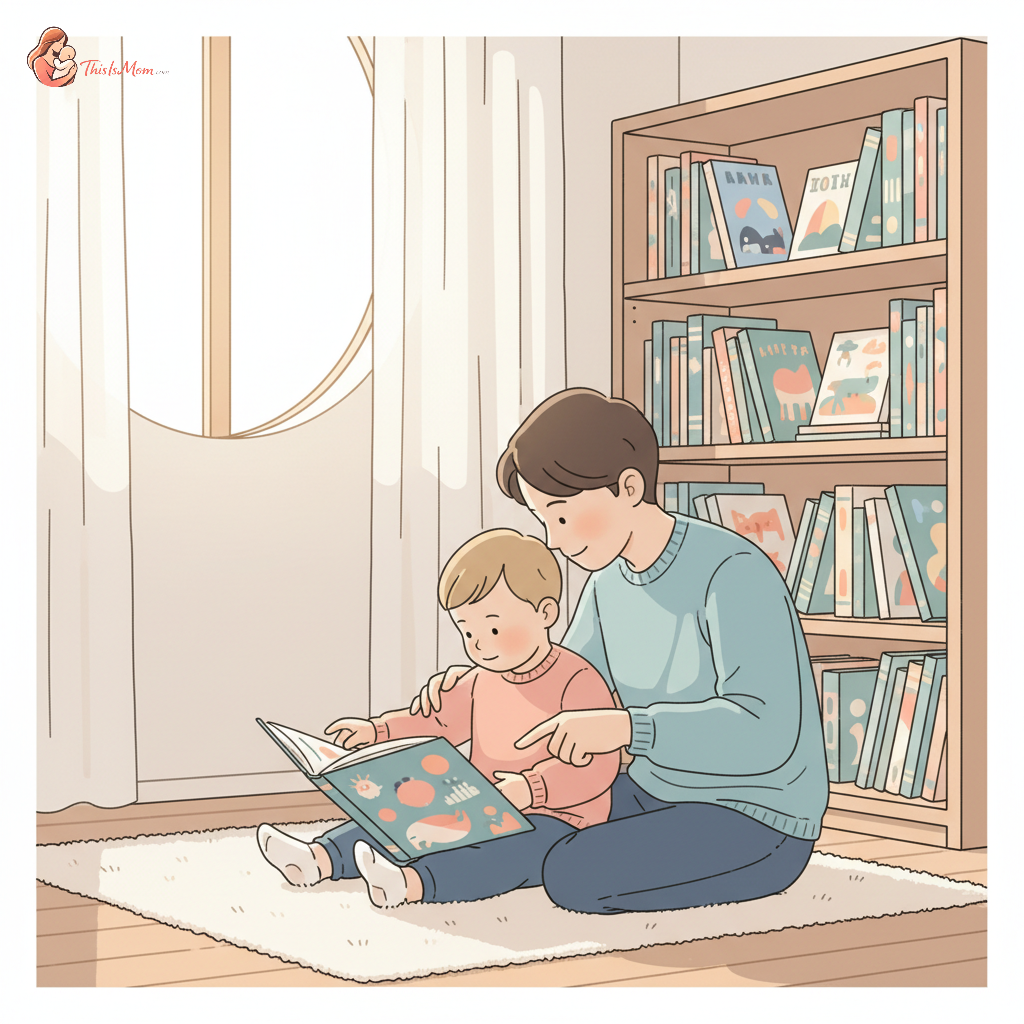
When we read with our little ones, it's a unique form of connection. It’s a dedicated time for focused interaction, building not only language skills but also strong emotional bonds. This shared experience is crucial for fostering a love of reading and a deeper understanding of communication.
What to Look For: Key Features of Language-Boosting Books
Not all books are created equal when it comes to sparking language. Look for those with clear, engaging illustrations that a child can easily interpret. Books with rich, descriptive language, repetitive phrases, and clear themes are also wonderful for building vocabulary and comprehension.
Naming the World: Books for Early Words
The toddler years, typically from 18 months to 3 years, are a whirlwind of new words. Books that focus on concrete objects and familiar concepts are perfect for this stage, providing a solid foundation for language acquisition. These are the building blocks for understanding.
Books for Early Words
- "Brown Bear, Brown Bear, What Do You See?" by Bill Martin Jr., illustrated by Eric Carle: This classic is a masterful introduction to colors, animals, and simple sentence repetition. The rhythmic text encourages prediction and participation.
- "From Head to Toe" by Eric Carle: Another gem from Carle, this book invites children to imitate animal actions, connecting words with movement and building body awareness alongside vocabulary.
- "My Very First 100 Words" (DK Publishing): For the youngest explorers (12-24 months), these books are filled with clear photographs of everyday objects, perfect for pointing and naming.
Beyond Objects: Exploring Actions and Emotions
As a child's vocabulary grows, so does their ability to describe what they are doing and how they are feeling. Books that depict a range of actions and emotions help them articulate their internal world.
- "The Little Blue Truck" by Alice Schertle: This story is full of charming animal sounds and onomatopoeia, and it subtly introduces concepts of friendship and helping. The sounds are particularly engaging for speech development.
- "Guess How Much I Love You" by Sam McBratney: While focused on affection, this book also introduces comparative language ("more than that") and provides a beautiful example of expressing emotions through words.
Building Categories: From Animals to Everyday Items
Organizing information into categories is a key cognitive skill that directly supports language. Books that present themed collections help children group similar items, strengthening their understanding and recall.
- "Go Dog. Go!" by P.D. Eastman: A playful romp through different dog activities and locations, this book introduces a wide range of vocabulary in a fun, energetic way. The simple text is ideal for emerging readers.
- "Richard Scarry's Cars and Trucks and Things That Go": This book is an absolute treasure trove of nouns! It’s packed with detailed illustrations of all sorts of vehicles and the things associated with them, making it a fantastic tool for expanding vocabulary.
Interactive & Engaging Books for Conversation Starters
The most effective picture books for toddler language skills are those that actively involve the child. These books invite participation, turning reading time into a dynamic exchange.
Lift-the-Flap & Touch-and-Feel for Engagement
Tactile and interactive elements capture a child's attention and make learning fun. These types of books encourage exploration and often provide opportunities for simple questions and answers.
- "Where's Spot?" by Eric Hill: The original lift-the-flap book, "Spot," is perfect for teaching prepositions (behind, under, in) and encouraging simple questions like "Where is Spot?"
- "Pat the Bunny" by Dorothy Kunhardt: A beloved classic, this touch-and-feel book offers sensory experiences alongside simple actions and names, ideal for the youngest language learners (12-24 months).
Repetitive Texts for Predicting & Participation
Repetition is a cornerstone of language learning. Books with predictable phrases and patterns allow the child to join in, practice sounds, and build confidence as they begin to anticipate what comes next. This is one of the best ways to encourage talking toddlers.
Discover your baby's phase
- "Chicka Chicka Boom Boom" by Bill Martin Jr. and John Archambault, illustrated by Lois Ehlert: The rhythmic, chanting quality of this book makes it incredibly appealing. Children quickly pick up on the pattern and can "read" along, boosting their phonological awareness.
- "The Gruffalo" by Julia Donaldson: While a bit longer, the repetitive structure in parts of this story, coupled with the engaging plot, makes it a favorite for children to predict and recite along with.
Books That Ask Questions: Fostering Dialogue
Some books are designed to spark conversation directly. They might pose questions within the text or have illustrations that naturally invite discussion, turning reading into a back-and-forth exchange. These are excellent early literacy books for speech development.
- "Dear Zoo" by Rod Campbell: Another lift-the-flap favorite, this book uses a simple question-and-answer format as the narrator receives animals from the zoo. It’s perfect for practicing asking and answering simple questions.
- "Press Here" by Hervé Tullet: This innovative book is entirely interactive. It prompts the reader to press, shake, and tilt the book, leading to delightful and surprising results on the next page. It's a fantastic way to model cause and effect and encourage verbal responses.
Stories That Spark Imagination & Narrative Skills
As a child moves past basic vocabulary and into sentence formation, stories that have a clear narrative arc help them understand sequence, character development, and plot. These are the building blocks for more complex communication.
Simple Plots for Understanding Sequence
Even simple stories help the child learn that events happen in a particular order. This understanding is fundamental for developing their own ability to tell stories.
- "The Very Hungry Caterpillar" by Eric Carle: This book masterfully teaches days of the week, counting, and the concept of transformation in a clear, sequential manner. The die-cut pages add an extra layer of engagement.
Characters & Emotions: Discussing What Happens Next
Introducing characters with distinct personalities and emotions helps the child develop empathy and the ability to talk about feelings. Asking "how do you think they felt?" or "what do you think will happen now?" can extend the reading experience significantly.
- "Corduroy" by Don Freeman: Corduroy is a relatable character with a simple quest. Discussing his feelings and what he hopes to find encourages deeper engagement with the story and prompts descriptive language.
Books to Inspire Pretend Play & Storytelling
The ultimate goal of language development is effective communication. Books that encourage imaginative play naturally lead to children creating their own stories and scenarios.
- "Where the Wild Things Are" by Maurice Sendak: This iconic book is a gateway to imaginative worlds. It can inspire children to act out their own "wild rumpus" or tell stories about their own adventures.
Making Book Time Magical: Tips for Parents
Reading is more than just decoding words; it's about creating an experience. These simple strategies can help you make every book session a powerful tool for language growth.
Read Aloud, Don't Just Read: Engaging Your Child
When you read, bring the story to life! Use different voices for characters, vary your tone, and pause for dramatic effect. Make eye contact and smile. Your enthusiasm is contagious and will draw the child in.
Beyond the Words: Pointing, Asking, and Expanding
Don't be afraid to go "off script." Point to the pictures and name objects. Ask simple, open-ended questions like "What is that?" or "What is the dog doing?" When the child responds, expand on their answer. If they say "dog," you can say, "Yes, it's a big, brown dog!"
When to Ask for Help: Spotting Language Development Red Flags
While every child develops at their own pace, there are general milestones to be aware of. Most pediatricians and early childhood specialists, like those recommended by the American Academy of Pediatrics (AAP), suggest seeking advice if a child between 18 months and 3 years shows significant delays in understanding or using words, or has difficulty with basic sentence structures. Early intervention can make a significant difference.
Bringing these wonderful books into your home is a gentle, joyful way to support your child's language journey. It’s about connection, curiosity, and the simple magic that unfolds when a child and a book come together. Try introducing one new interactive book this week and see what conversations bloom.