C-Section Scar Hurts When Lifting? 7 Ways to Find Relief
Is your C-section scar hurting when lifting your toddler or car seat? Learn safe techniques, scar massage, and core exercises to find relief and heal effectively.
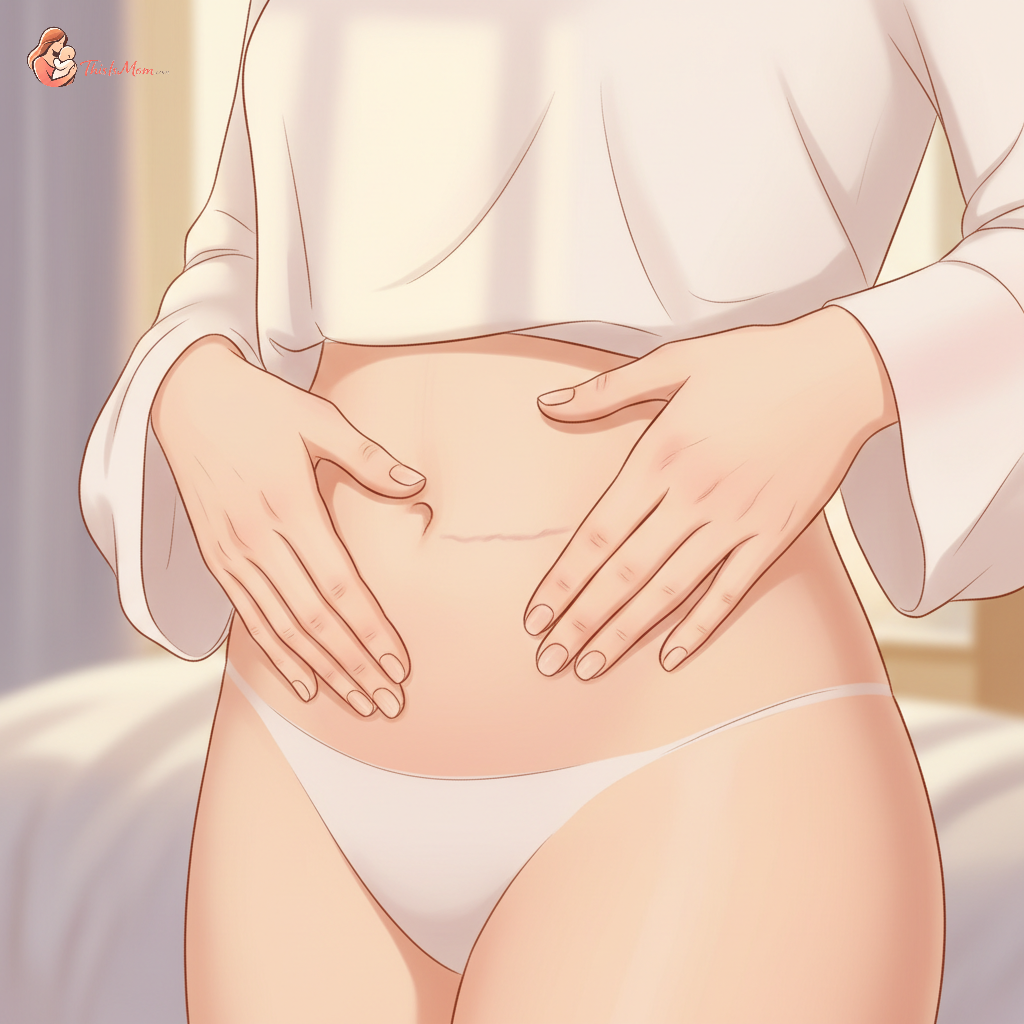
My C-Section Scar Hurts When Lifting (And How to Find Relief)
It's completely normal to wonder if your C-section scar should still be bothering you, especially when lifting your baby, car seat, or even a bag of groceries. The reality of postpartum life is that your body is still mending, and a C-section scar hurting when lifting is a common experience many moms share. While your incision is closed, the deeper layers of tissue, muscle, and fascia are still healing, and certain movements can put stress on this area, leading to discomfort.
As a mom who has sat with many friends through the challenges of pregnancy and the postpartum period, I’ve seen firsthand how powerful and sometimes confusing these new bodily sensations can be. My goal is to offer you insights and practical strategies, empowering you to move with more comfort and confidence. Remember, I am not a medical professional; this is about sharing what I've learned in supporting others. Always consult your OB/GYN or midwife for medical advice.
Why Your C-Section Scar Might Still Feel Tender When You Lift
The discomfort you feel when lifting is often a sign that the tissues around your scar are being pulled or stretched in a way that irritates the healing sites. This can happen even months or years after your surgery.
The Deeper Story of Scar Healing
Your C-section scar isn't just the thin line on your skin. It involves layers of muscle, connective tissue, and fascia. When these layers are cut and then stitched back together, they form scar tissue. This tissue is different from your original tissue – it can be less flexible and may adhere to surrounding structures, sometimes causing a pulling sensation.
Over time, scar tissue can soften and become more pliable. This process, however, can be influenced by how we move and care for our bodies. If you’ve been unconsciously guarding your abdomen or using compensatory movements, it can subtly impact how your scar heals and how it feels during everyday activities.
The Crucial Role of Your Core in Scar Comfort
Your core muscles – your abdominal muscles, back muscles, and pelvic floor – work together to support your torso and allow you to lift and move safely. After a C-section, these muscles have been impacted. It takes time for them to regain strength, and they may be working differently to protect the healing incision.
When your core isn't fully engaged or supporting you effectively, other muscles, like your back, can take on more of the load during lifting. This increased strain can directly pull on your scar area, leading to that familiar C-section scar pain when lifting. Learning to re-engage and strengthen your core is fundamental to reducing this discomfort.
Smart Lifting Techniques to Protect Your Scar
The good news is that you can make a significant difference in how your scar feels by adjusting how you lift. It’s all about working with your body, not against it.
Engaging Your Core, Not Just Your Back
This is perhaps the most important shift you can make. Instead of simply bending your back to lift, focus on engaging your deep abdominal muscles. Think of gently drawing your belly button towards your spine, while simultaneously bracing your core as if you were about to cough. This creates a natural corset of support around your midsection, protecting your scar.
- How to practice: Try this while sitting. Gently contract your pelvic floor muscles (like you're trying to stop the flow of urine) and then engage your deep abdominals. You don't need to suck in your stomach drastically; it's a subtle, supportive brace. Practice this in different positions throughout the day.
Getting Close: The Key to Safer Lifting
Whenever possible, move your body closer to the object you’re lifting. This reduces the leverage on your spine and scar. For a toddler, this means getting down on their level, tucking them close to your chest. For a car seat, it means positioning your body right next to it before you lift.
Tips for Lifting Toddlers and Car Seats with Less Strain
Here are some practical ways to apply these principles:
- Lifting Your Toddler:
- Get low: Bend your knees and hips, bringing your body close to your toddler.
- Hug them tightly: Pull your child close to your chest. This keeps their weight centered over your natural base of support.
- Engage your core: As you stand up, engage your core muscles for support rather than just using your back.
- Avoid twisting: If you need to turn, move your feet. Don't twist your torso while holding your child.
- Lifting the Car Seat:
- Position yourself: Stand directly in front of or beside the car seat.
- Bend your knees: Squat down, keeping your back as straight as possible.
- Use your legs: Push up through your legs to lift, keeping the car seat close to your body.
- Engage your core: Brace your abdomen as you lift.
- Consider alternatives: If the car seat feels too heavy or awkward, see if you can remove the baby first before lifting the empty seat. Some parents also find car seat bases helpful to avoid lifting the entire seat daily.
These techniques are crucial for C-section recovery care lifting and can help prevent that postpartum C-section scar pain when performing these everyday tasks.
Gentle Scar Care Puts You Back in Control
Beyond movement, direct scar care can significantly improve comfort and reduce the feeling of tightness or pain when lifting.
The Benefits of Scar Massage for Pain Relief
Scar massage is a powerful tool for breaking down adhesions, increasing blood flow to the area, and improving the flexibility of the scar tissue. It can feel strange or even a bit uncomfortable at first, but many women find it transformative for reducing C-section scar pain when lifting.
By encouraging the scar tissue to move and stretch, you help it integrate better with the surrounding tissues, leading to less pulling and more pliability. This can directly ease the sensation of your scar hurting when you lift.
Simple Scar Massage Techniques You Can Do at Home
Discover your baby's phase
Once your incision has fully healed (usually after 6-8 weeks, but always check with your provider), you can begin gentle massage.
- Lubricate: Use a lubricant like a gentle, unscented lotion, shea butter, or a specialized scar oil. This makes it easier for your fingers to glide over the skin and prevents irritation.
- Gentle pressure: Start with very light pressure, just enough to feel the skin moving.
- Circular motions: Use your fingertips to make small circles around and directly on your scar.
- Friction: Gently use your fingertips to move the scar tissue in different directions – up and down, side to side, and diagonally. The skin should move, not just your fingers. If it hurts, ease up.
- Pinching (carefully): Once you're more comfortable, you can gently pinch the scar tissue between your thumb and index finger, lifting it slightly.
- Duration: Aim for 5-10 minutes a few times a week. Consistency is key.
Listen to your body – discomfort is okay, sharp pain is not. If you experience severe pain, stop and consult your provider.
Recommended Products for Scar Healing
While not required, some products can support your scar healing journey:
- Silicone sheets or gel: These are often recommended by doctors to help flatten and soften scars. They create a hydrated environment that can improve scar appearance and texture.
- Vitamin E oil or Rosehip oil: Many find these natural oils beneficial for moisturizing and improving scar elasticity. Always patch-test on a small area first.
- Specialized scar creams: Some brands offer creams formulated with ingredients like onion extract or hyaluronic acid, which may aid in scar management.
Always discuss any new products with your healthcare provider, especially if you have sensitive skin or other conditions.
Building Back Core Strength Thoughtfully
Reclaiming your core strength after a C-section is a marathon, not a sprint. It requires patience and a mindful approach.
What 'Abdominal Binding' Really Does (and Doesn't Do)
Abdominal binding (or belly wrapping) is a practice used in many cultures postpartum. While it can offer a sense of physical support and containment, which can be comforting, it's important to understand its limitations. Binding doesn't magically rebuild muscle strength or "realign" your organs. Its primary benefit is often psychological – a feeling of being held together. Some research suggests mild benefits in pain reduction and, perhaps, supporting postural alignment. However, excessive or prolonged binding could potentially hinder the natural process of your abdominal muscles re-engaging. If you choose to bind, do so for limited periods and ensure it's not restricting your breathing or circulation.
Postpartum Exercises Safe for Your C-Section Scar
Focus on gentle, progressive exercises that help you reconnect with your core without aggravating your scar.
- Pelvic tilts: Lie on your back with knees bent. Gently flatten your back against the floor by tightening your abdominal muscles and tilting your pelvis slightly upward. Hold for a few seconds, then release.
- Transverse abdominis activation: Lie on your back with knees bent. Gently draw your belly button towards your spine, as described earlier, without holding your breath. You can place your fingers on your lower abdomen to feel the subtle contraction.
- Diaphragmatic breathing: This is foundational. Lie down or sit comfortably. Place one hand on your chest and the other on your belly. Inhale deeply through your nose, letting your belly rise. Exhale slowly through your mouth, allowing your belly to fall. This helps restore proper breathing mechanics, which is essential for core function.
As you gain strength, you can gradually progress to more challenging exercises like modified planks, bird-dog, and eventually, with guidance from a professional, return to more traditional abdominal work and heavier lifting.
When to Restart Heavier Lifting or Exercise
This is a decision to make with your care provider. Generally, most providers recommend avoiding strenuous lifting (heavier than your baby) and intense exercise for at least 6-8 weeks postpartum. However, listen to your body. If you're still experiencing significant C-section scar pain when lifting even with proper technique, it may be a sign that you need to slow down or seek professional guidance before pushing your limits.
When to Talk to Your Doctor About Scar Pain
While some scar tenderness is common, persistent or severe pain, or pain accompanied by other symptoms, warrants a conversation with your healthcare provider.
Red-Flag Symptoms That Need Medical Attention
Contact your OB/GYN or midwife immediately if you experience any of the following:
- Increasing redness, warmth, or swelling at the incision site.
- Fever or chills.
- Pus or foul-smelling discharge from the incision.
- Sudden, severe pain that doesn't improve with rest or repositioning.
- Bleeding from the incision.
These could indicate infection or other complications that require prompt medical evaluation.
Persistent Pain: It's Not 'Just Part of It'
If your postpartum C-section scar pain is significantly impacting your daily life, making it difficult to care for yourself and your baby, or if it feels like it's getting worse instead of better, it's important to seek help. Persistent pain, even months or years later, is not something you have to live with. Conditions like scar adhesions, nerve entrapment, or diastasis recti (abdominal separation) can contribute to ongoing discomfort and are treatable.
Finding a Pelvic Floor Physical Therapist
A pelvic floor physical therapist is an invaluable resource for postpartum recovery, especially after a C-section. They are trained to assess and treat issues related to the pelvic floor, core muscles, and scar tissue. They can:
- Provide hands-on scar tissue mobilization.
- Develop a personalized exercise program to rebuild core strength safely.
- Address any related issues like diastasis recti or pelvic floor dysfunction.
- Offer guidance on returning to exercise and physical activity.
Finding a physical therapist specializing in postpartum care can make a huge difference in your recovery and long-term comfort. Encourage your core to engage and support you with exercises like pelvic tilts.