C-Section Scar Numbness: Healing Signs & When to Worry
Understand what C-section scar numbness indicates about your healing process. Learn normal sensations, how long it lasts, and when to seek medical advice for concerns.
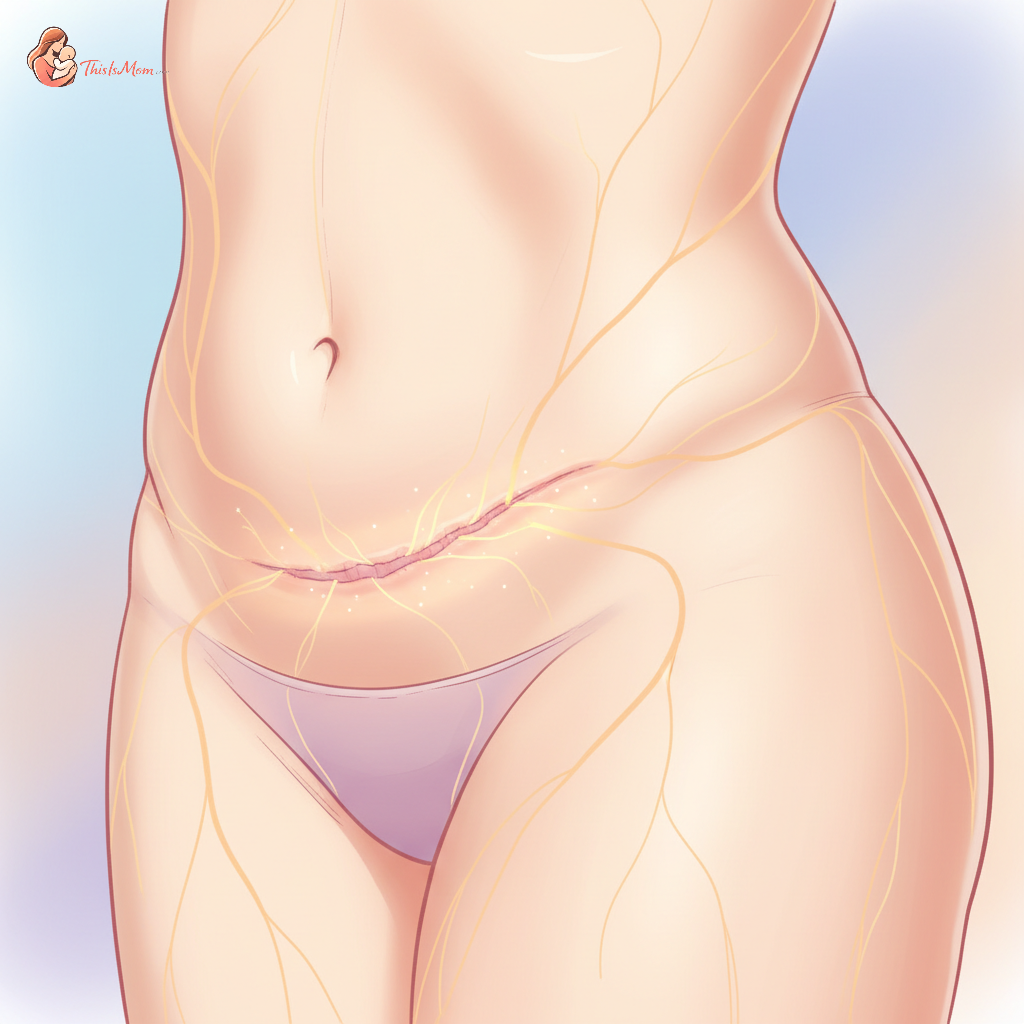
C-Section Scar Numbness: What It Means for Healing & When to Call Your Doctor
It's completely normal to wonder what’s going on with the sensations around your C-section scar. After such a significant surgery, your body is working overtime to heal, and sometimes those sensations can feel surprising, or even a little unsettling. You might feel numbness, tingling, or even strange pulling. Understanding what C-section scar numbness indicates for healing is a key part of your postpartum recovery journey. This sensation is a common experience and often a sign that things are progressing.
Why Numbness is Part of the Picture
When you have a C-section, layers of tissue and muscle are carefully moved aside and then repositioned. This process, while expertly performed, inevitably involves cutting through skin and smaller nerves. These nerves are what allow us to feel touch, temperature, and pressure.
The numbness you experience is typically due to these small nerves being stretched, cut, or temporarily disrupted during the surgery. Think of it like a road that’s temporarily closed for construction – the signal just can’t get through easily at first. Your body is incredibly capable of repairing itself, and this healing process includes nerve regeneration.
It’s important to distinguish between C-section scar numbness and nerve pain. Numbness is a lack of sensation, while nerve pain can manifest as sharp, shooting, burning, or electric-shock-like feelings. While some discomfort is a given during recovery, severe or persistent pain is something different.
When Numbness Signals Healing: The Nerve Regeneration Journey
The process of nerves regrowing and reconnecting can take time. This is where the numbness after C-section recovery often becomes a sign that healing is underway. As tiny nerve endings begin to mend and find their way back to their original pathways, you might start to notice changes in sensation.
How Long Does C-Section Scar Numbness Last?
The duration of scar numbness varies quite a bit from person to person. For many, the most pronounced numbness might last for a few weeks to a few months. However, it’s not uncommon for some degree of altered sensation or patchy numbness to persist for much longer, sometimes a year or even more.
This is where patience with your body is so vital. Nerve regeneration after a C-section is a gradual process, and the timeline is unique to each individual’s healing. Your body is working diligently, even when the changes feel slow.
What Does a C-Section Scar Feel Like When Healing?
As your scar heals, you might move through different phases of sensation. Initially, there’s often tightness and a lack of feeling over the direct incision site. As healing progresses, you might start to feel:
- Tingling: Like pins and needles, this can be a sign of nerves waking up.
- Itching: A very common sensation as the skin heals and nerves regain function.
- Heightened sensitivity: The area might become tender or hypersensitive to touch.
- Pinching or tugging: You might feel these sensations with certain movements.
These sensations are part of what it feels like to recover. They are often indications that the nerve pathways are being re-established.
Sensations to Expect as You Move Through Your Recovery
It’s helpful to have a mental map of what you might experience. The changes in sensation are part of the story of your body knitting itself back together.
Tingling, Itching, and Increased Sensitivity
You might find yourself reaching for your scar more often because it feels itchy or tingly. This can feel odd, especially if you’re also experiencing numbness in other parts of the scar area. It’s a sign of active healing, where nerve endings are getting reacquainted with their job.
Sometimes, bumping into your scar, or even the fabric of your clothing, can feel more intense than you'd expect. This heightened sensitivity is a normal part of the nerve recovery process and usually softens over time as your brain recalibrates.
Can a C-Section Cause Permanent Numbness?
Discover your baby's phase
This is a concern many mothers have, and it’s important to address. While most numbness after C-section recovery resolves over time as nerves regenerate, it is possible for some degree of persistent numbness or altered sensation to remain in the scar after a C-section. This is often due to the severing or stretching of small superficial nerves that don’t fully regenerate. However, significant or widespread numbness that doesn’t improve at all over many months or years is less common. It’s always a good idea to discuss any persistent concerns with your healthcare provider.
When to Talk to Your Doctor About Scar Numbness
While many sensations are normal, some warrant a conversation with your doctor or midwife. Your care team is there to support your healing and can assess if what you’re experiencing is within the normal range or requires attention.
Symptoms of Nerve Damage After C-Section
Beyond the general numbness or tingling, keep an eye out for signs that might indicate more significant nerve irritation or damage:
- Severe, persistent, or worsening pain: Especially sharp, shooting, or burning sensations.
- Numbness that spreads or worsens: Instead of gradually improving.
- Weakness in the abdominal muscles: That doesn’t seem related to general postpartum fatigue.
- Redness, warmth, or pus draining from the incision site: These can signal infection.
- Fever: A general sign that something isn't right.
Beyond Numbness: Red Flags in C-Section Recovery
It’s crucial to remember that your C-section scar is just one part of your overall recovery. Other signs that should prompt a call to your doctor include:
- Heavy or increasing vaginal bleeding.
- Pain that isn’t managed by recommended pain relief.
- Difficulty urinating or a burning sensation when you do.
- Signs of deep vein thrombosis (DVT), such as swelling and pain in one leg, warmth, or redness.
- Extreme fatigue or feeling unwell that persists beyond the early weeks.
What is the Hardest Day of C-Section Recovery?
There’s no single hardest day, as every person’s experience and healing journey are unique. For some, it might be the first few days when pain is most acute and mobility is most limited. For others, it could be a week or two later when the initial adrenaline wears off, and the reality of recovery and newborn care sets in. Understanding and honoring that your hardest days are valid is part of trusting yourself through this process.
Caring for Your C-Section Scar: Supporting Your Healing
You can actively support your scar's healing journey. Gentle care can help improve sensation and comfort.
Gentle Massage Techniques for Sensation Improvement
Once your incision has fully closed and your doctor gives you the okay (usually after your 6-week postpartum check-up), you can begin gentle scar massage. This can help to:
- Break down scar tissue adhesions.
- Improve circulation to the area.
- Increase flexibility and reduce tightness.
- Stimulate nerve endings, potentially reducing numbness.
Start by just lightly touching the skin around the scar. Over time, you can gently work your way over the scar itself using a lubricant like coconut oil or a gentle lotion. Your provider can show you specific techniques. The goal is gentle, consistent work, not to cause pain.
Comfort Measures for Numbness and Sensitivity
In the meantime, while your scar is healing and sensations are returning, focus on comfort.
- Wear loose, soft clothing: Avoid anything that rubs or irritates the incision area.
- Use a healing balm: Once cleared by your doctor, some parents find specialized scar creams or oils helpful.
- Listen to your body: If certain movements or positions are uncomfortable, adjust them.
- Practice deep breathing: This can help ground you and ease any anxiety about sensations.