Can Parents Be Fined for Their Children's Behavior? A Guide
Explore legal duties, local ordinances, and potential fines for children's behavior. Understand parental liability for damage or crimes and how to navigate these complex issues.
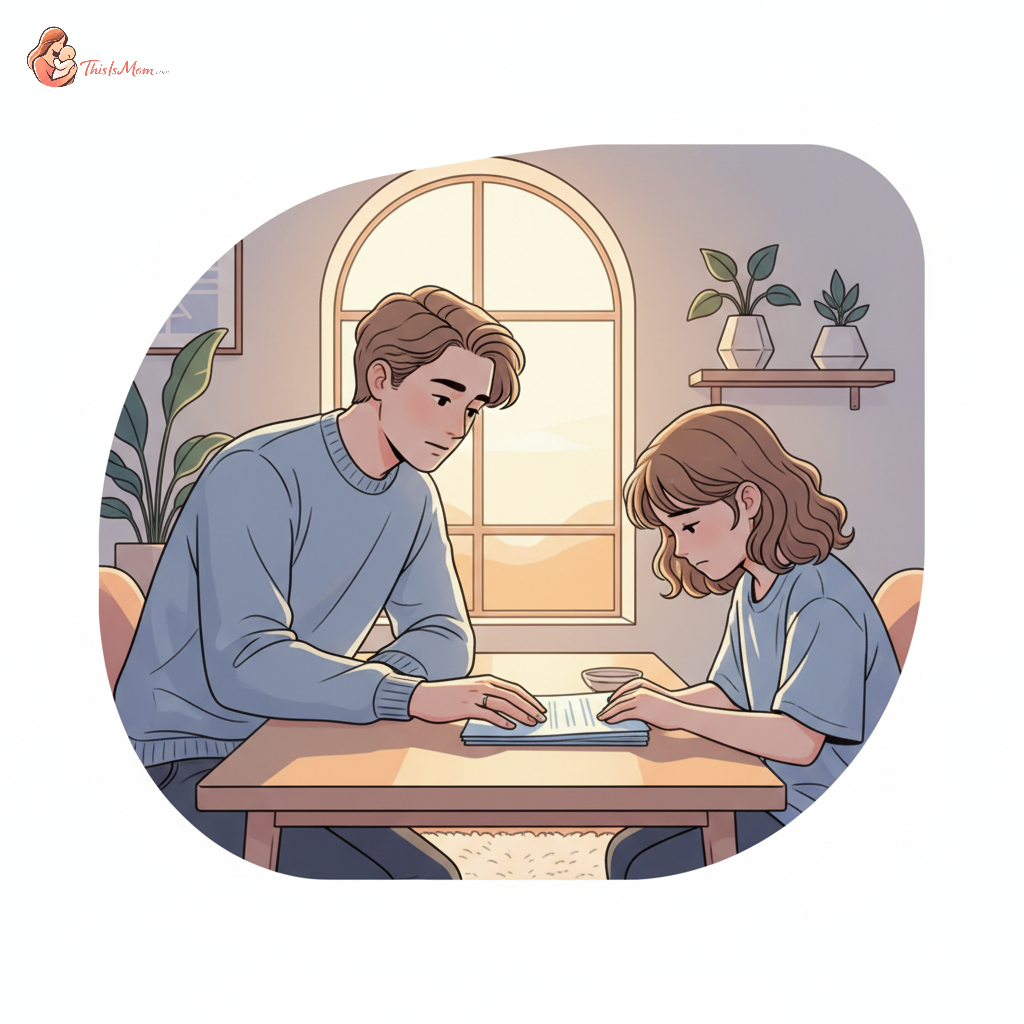
Can Parents Be Fined for Their Children's Behavior? A Legal Guide
As parents, we navigate a complex world of responsibility, from feeding and schooling to ensuring our children grow into well-adjusted adults. But what happens when a child’s actions spill over into the community, and the question arises: can parents be fined for their children's behavior? It’s a thorny issue touching on parental responsibility, community safety, and the very definition of accountability. This guide aims to help you understand the legal landscape surrounding this topic.
Understanding Parental Responsibility Laws
The idea that parents might face legal consequences for their children's misdeeds isn't entirely new. Legal frameworks have long grappled with the extent to which parents are responsible for their children's actions.
What the Law Says About Parental Responsibility
Generally, parents have a legal duty to supervise and control their minor children. This duty is rooted in the expectation that parents will take reasonable steps to prevent their children from harming others or damaging property. The specifics of this responsibility can vary significantly.
Local Ordinances vs. State Laws: What’s the Difference?
Laws governing parental responsibility can exist at both the state and local levels. State laws often set a broader framework for parental liability, while local ordinances, like those enacted by cities or counties, can be more specific and might introduce the possibility of fines for minor infractions. For example, a city might pass an ordinance targeting persistent truancy or vandalism by minors, imposing a fine on parents who are deemed negligent in their supervision.
Types of Behavior That Could Lead to Fines
While outright criminal acts by a child usually result in consequences for the child (with different legal standards based on age), certain types of ongoing or unsupervised behavior by minors can trigger parental fines. These most commonly include:
- Truancy: Repeated and unexcused absences from school.
- Vandalism or Property Damage: When a minor intentionally damages public or private property.
- Loitering: Particularly in areas with specific ordinances against it, especially after certain hours.
- Minor Public Disturbances: Persistent noise complaints or other disruptive behaviors that suggest a lack of parental control.
It's important to note that these ordinances are usually aimed at gross negligence in parental supervision, not at every minor transgression a child commits.
Should Parents Be Fined for Their Children's Actions? A Deeper Dive
The prospect of parents being fined for their children's behavior sparks significant debate, touching on fairness, effectiveness, and the complex nature of child development.
The Argument for Parental Accountability
Proponents of parental fines often argue that such measures incentivize parents to be more actively involved in their children's lives and behavior. The idea is that when parents face a direct consequence, they are more likely to address issues like truancy, delinquency, or destructive behavior before they escalate. This approach aims to promote a sense of shared responsibility within the community.
Concerns About Fairness and Due Process
Critics raise serious concerns about the fairness of fining parents. They argue that not all children behave the same way, and some may have underlying issues that are difficult for even the most diligent parents to manage. They also question whether parents are always given adequate notice or opportunity to correct a child's behavior before a fine is imposed, raising issues of due process.
Are Parents Always Responsible for Their Children's Mistakes?
The research suggests that a parent's responsibility is not absolute. Most legal frameworks consider whether the parent exercised reasonable supervision over the child. A child who acts out impulsively in a way that could not have been reasonably foreseen or prevented might not result in parental liability, especially if the parents have a history of responsible parenting. The intent behind the child's action and the parent's efforts to guide them are often key factors.
Beyond Fines: Parental Liability for Damage or Crimes Caused by Children
Fines are just one potential legal avenue. In more serious situations, parents can face broader legal and financial consequences for damage or crimes committed by their children.
Civil Liability for Damages: What You Need to Know
In cases where a child causes damage to someone else's property, parents can often be held civilly liable for the cost of repairs or replacement. This is based on the principle that parents have a duty to prevent their children from causing harm. Many states have laws that cap the amount parents can be held liable for in civil cases, but this varies widely.
Discover your baby's phase
For instance, if your child breaks a neighbor's window while playing ball, the neighbor could sue for the cost of the repair. Whether you are ultimately responsible often depends on proving that you took reasonable steps to supervise or teach your child about respecting property.
When Parents Are Charged for a Child's Criminal Actions
In rarer and more extreme circumstances, parents can face criminal charges if their negligence directly contributes to a child's serious offense. This often involves situations where parents are aware of a child's dangerous tendencies and fail to take appropriate action, or even actively encourage criminal behavior. For example, providing a minor with access to weapons that are then used in a crime could lead to charges against the parent.
The Age Factor: How Long Are Parents Responsible?
Parental responsibility generally extends until a child reaches the age of majority, which is 18 in most US states. However, the degree and nature of that responsibility can evolve as a child ages. For younger children, direct supervision is expected. As children become teenagers, the focus shifts more towards teaching them responsibility, consequences, and making good choices. The exact legal obligations can be nuanced and depend heavily on the specific circumstances, the child's age, and the relevant state and local laws.
The Potential Impact of Fines on Families
Implementing fines for parental behavior is not without its potential consequences for families, extending beyond the immediate financial strain.
Financial Burden and Equity Concerns
For families already struggling financially, a fine, even a modest one, can be a significant burden. This raises questions of equity, as such penalties might disproportionately affect lower-income households. The focus on financial penalties may also detract from addressing the underlying issues that contribute to a child's challenging behavior.
Impact on Parent-Child Relationships
When parents face fines due to their child's actions, it can create tension within the family. Children might feel resentful or misunderstood, while parents might feel frustrated or overwhelmed. This dynamic can make open communication more difficult, which is crucial for addressing behavioral issues constructively.
Considering the Root Causes of Behavior
It's important to remember that children's behavior is often a complex interplay of individual temperament, environmental factors, and developmental stages. Fining parents may not address the root causes of a child's actions, such as learning disabilities, mental health challenges, or difficulties within the school environment. A more holistic approach, focusing on support and intervention, may be more effective.
Navigating Parental Responsibility: What Steps Can You Take?
Understanding your rights and responsibilities is key to navigating the legal aspects of parental accountability.
Understanding Your Local Laws and Ordinances
The first step is to be informed about the specific laws in your community. Familiarize yourself with any local ordinances that address parental responsibility for minor offenses. Local government websites or community resource centers can often provide this information.
Seeking Legal Guidance When Needed
If you are facing a situation where parental fines or liability are a concern, consulting with a legal professional is advisable. An attorney specializing in family law or municipal law can provide specific advice tailored to your situation and explain your rights and obligations.
Fostering Positive Behavior and Open Communication
Ultimately, the most effective approach to navigating parental responsibility is to foster a positive home environment.
- Set Clear Expectations: Establish clear rules and boundaries for your children.
- Communicate Openly: Encourage your children to talk about their feelings and challenges.
- Model Responsible Behavior: Children learn by example.
- Seek Support: Don't hesitate to reach out to schools, counselors, or community programs if you need help addressing behavioral issues.
Navigating the legal complexities of parental responsibility is a challenge many families may encounter. By staying informed and fostering open communication with your children, you can better address these issues responsibly.
While navigating legal obligations is part of ensuring a safe and responsible community, remember that every child and family is unique. The path forward often involves a balance of accountability and support, focusing on nurturing well-being and positive development. When in doubt about specific legal requirements or your situation, consulting with your pediatrician or a qualified legal professional is always the most informed approach.