CDC Flu Shot Guidelines for Pregnancy in the US
Understand the CDC's recommendations for the flu shot during pregnancy. Learn why it's important for both you and your baby, its safety, and what to expect.
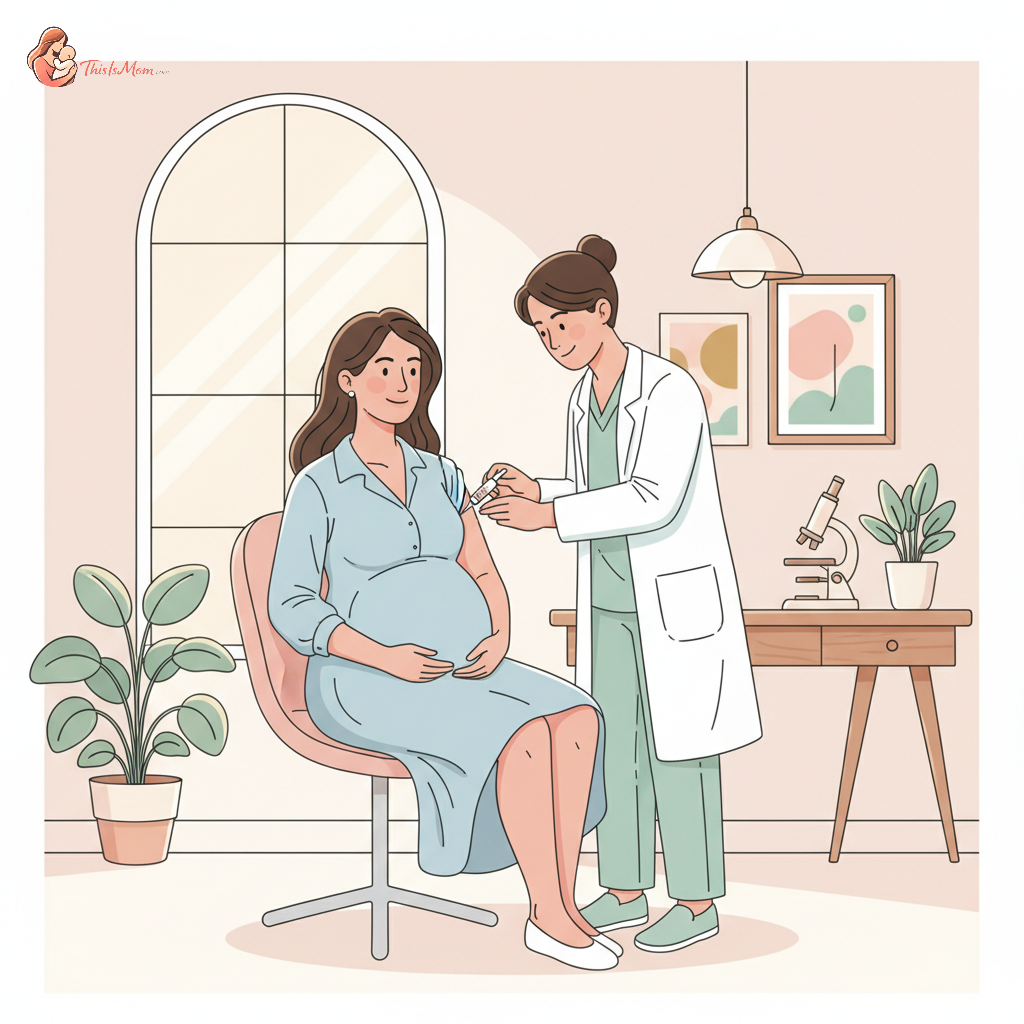
Understanding CDC Guidelines for Flu Shot During Pregnancy in the US
During pregnancy, it's natural to have questions about medications or vaccines. As an expectant parent, your primary focus is keeping yourself and your developing baby healthy. Navigating health recommendations can feel overwhelming, but understanding what the Centers for Disease Control and Prevention (CDC) suggests regarding the influenza vaccine during pregnancy can provide clear, reassuring information.
Why the Flu Shot Matters So Much During Pregnancy
The flu is more than just a bad cold; it's a serious respiratory illness. It can have significant consequences for anyone, but especially for pregnant individuals. Your body undergoes many changes during pregnancy that can make you more susceptible to complications from the flu. Your immune system is naturally altered to support your growing baby, which can make it harder to fight off infections. Furthermore, changes in heart and lung function can increase the risk of severe illness, including pneumonia, bronchitis, and even hospitalization.
For pregnant individuals, the stakes are high. The CDC strongly emphasizes that getting the flu shot during pregnancy is one of the most effective ways to protect yourself and your baby from this potentially dangerous virus.
The CDC's Clear Recommendation: Flu Shot While Pregnant
The CDC's stance on the influenza vaccine during pregnancy is unequivocal: they recommend that all pregnant people get a flu shot as soon as it becomes available, during any trimester. This recommendation is based on extensive research and a deep understanding of the risks associated with influenza for this population.
What the CDC Says About Timing
There isn't a "perfect" time to get the flu shot during pregnancy, other than as soon as possible. The flu season typically begins in the fall and can last through spring, so it’s advisable to get vaccinated early in the season to ensure protection before the virus starts circulating widely. If you miss the early window, don't worry; you can still benefit from the vaccine at any point during your pregnancy. The CDC highlights that protection begins about two weeks after vaccination.
Which Flu Vaccines Are Recommended (and Which Aren't)
The CDC recommends the inactivated influenza vaccine (IIV), which is given as a shot. This type of vaccine contains killed flu viruses and cannot cause the flu. The nasal spray flu vaccine (LAIV) is not recommended for pregnant individuals. Stick to the flu shot to ensure the highest level of safety and effectiveness for you and your baby. Your healthcare provider will ensure you receive an appropriate vaccine.
Protecting Two: How Your Flu Shot Helps Both You and Baby
Getting vaccinated isn't just about protecting yourself; it's a powerful act of protection for your little one too.
Benefits for Expectant Mothers
As discussed, pregnancy can make you more vulnerable to severe flu illness. The flu shot significantly reduces your risk of getting the flu. If you do get the flu after being vaccinated, studies suggest your illness will likely be milder. This means less chance of complications like pneumonia, fewer missed days, and a greater sense of well-being during your pregnancy.
Protecting Your Newborn in Their First Months
This is a benefit many new parents find particularly comforting. When you get the flu shot during pregnancy, your body produces antibodies that protect you from the flu. These antibodies can then pass through the placenta to your baby, offering passive immunity. This protection is crucial during their first few months of life, a period when infants are too young to be vaccinated against the flu themselves. Your vaccination can shield your newborn from influenza when they are most vulnerable. For more on the crucial support needed during this time, explore essential support for pregnant women & new parents.
Addressing Common Concerns: Safety and Side Effects
It's natural to have questions about the safety of any medical intervention during pregnancy. Let's address common concerns surrounding the flu shot.
Is the Flu Shot Safe for Pregnant People and Babies?
Yes. The inactivated influenza vaccine (the shot) has been proven safe for pregnant individuals and their babies for many years. Extensive research and decades of use show no increased risk of miscarriage, birth defects, or other pregnancy complications. The CDC and other leading health organizations worldwide support its routine use. The benefits of protection far outweigh any minimal risks. If you're managing your health costs, consider what HSA qualified expenses cover pregnancy & childbirth.
Discover your baby's phase
What to Expect After Your Shot
Most people experience mild, temporary side effects from the flu shot, if any. These can include:
- Soreness, redness, or swelling at the injection site
- Low-grade fever
- Headache
- Muscle aches
- Nausea
These symptoms are typically mild and usually resolve within a day or two. They are signs that your immune system is responding to the vaccine. Severe allergic reactions are very rare. If you have any concerns about your reaction, contact your healthcare provider.
Where to Get Your Flu Shot (and What to Ask)
Making an informed choice includes knowing where to access your vaccine and what information to gather.
Finding a Trusted Provider
You can get your flu shot at various locations. Your OB/GYN's office or midwife's practice is often the most convenient place. Many primary care physicians also offer the vaccine. Additionally, local pharmacies and some community health centers provide flu shots. Look for providers you trust and feel comfortable with.
Important Questions for Your Healthcare Team
Before or after getting your shot, you might want to ask your doctor or nurse:
- Which type of flu vaccine are you administering? (Ensure it's the inactivated shot.)
- Are there any specific concerns based on my individual health history?
- What should I do if I experience side effects?
- When can I expect to be protected?
Your healthcare provider is your best resource for personalized advice.
Making Your Informed Choice for a Healthier Pregnancy
Ultimately, the decision about your health and your pregnancy is yours. Understanding the CDC guidelines for the flu shot during pregnancy in the US provides you with evidence-based information to make an informed choice that feels right for you and your family.
Beyond the Shot: Other Flu Prevention Tips
While the flu shot is the most effective preventive measure, you can also take other steps to minimize your risk:
- Frequent handwashing: Wash your hands often with soap and water for at least 20 seconds.
- Avoid close contact: Stay away from people who are sick.
- Cover coughs and sneezes: Use a tissue or your elbow.
- Clean and disinfect surfaces: Regularly clean frequently touched objects.
- Maintain a healthy lifestyle: Eat nutritious foods, get enough rest, and manage stress.
These practices are beneficial year-round but are especially important during flu season.
When to Talk to Your Doctor
Always consult with your OB/GYN or midwife about any health concerns or questions you have during your pregnancy. They are there to guide you and ensure you have the best possible care. If you experience flu-like symptoms, such as fever, cough, sore throat, body aches, or fatigue, contact your provider right away. Early diagnosis and treatment can make a significant difference. For a general overview of what to expect during prenatal care, check the prenatal appointment schedule for low-risk pregnancy.