Combine Pumped Milk From Different Sessions (Same Day)
Learn how to safely combine pumped breast milk from different sessions on the same day. Get expert tips from the AAP & CDC on chilling, labeling, and storage.
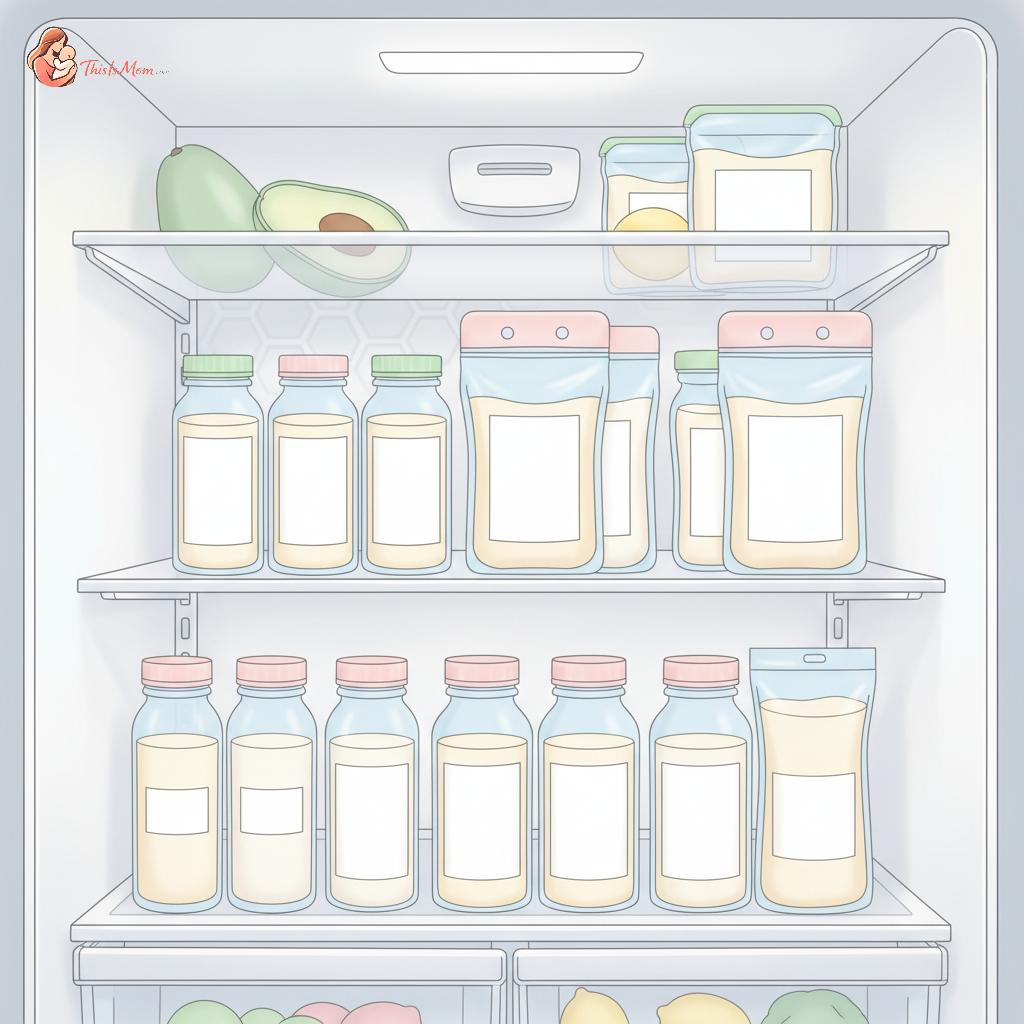
Combining Pumped Milk: Sessions on the Same Day
As a pumping parent, you're constantly working to provide for your baby. A common question arises when managing your supply: can you combine pumped milk from different sessions on the same day? This is a practical concern for many, and fortunately, clear guidelines exist to help you safely manage your breast milk supply.
Safe storage of breast milk is crucial for preserving its nutrients and protecting your baby from harmful bacteria. Understanding how to combine milk from different pumping sessions within a 24-hour period can help you maximize your supply without compromising safety or quality.
Why Keeping Breast Milk Safe Matters
Breast milk is a dynamic, living fluid that provides optimal nutrition for your baby. However, like any food product, it can harbor bacteria if not handled and stored correctly. This is why following established storage guidelines, recommended by organizations like the Centers for Disease Control and Prevention (CDC) and the American Academy of Pediatrics (AAP), is so important.
Improper storage can lead to the breakdown of beneficial components in breast milk and, in more serious cases, the growth of harmful bacteria. This can result in spoilage, making the milk unsafe for your baby to consume.
The Green Light: Yes, You Can Combine Pumped Milk (With Caveats!)
The good news is that the AAP and CDC generally agree that it is safe to combine milk from multiple pumping sessions on the same day, provided certain conditions are met. This can be a great way to consolidate your supply, especially if you're pumping small amounts at a time.
The 24-Hour Rule: What It Means for Combining
When combining pumped milk from different sessions on the same day, the key guideline revolves around temperature. The principle is that you should only combine milk that has been stored at the same temperature.
This typically means you can combine milk pumped earlier in the day with milk pumped later, as long as both have been chilled in the refrigerator. The AAP suggests that milk pumped at different times during the same 24-hour period can be combined in a single storage container.
Temperature is Key: Why Chilling is Crucial
The critical factor in safely combining breast milk from different sessions is ensuring that all the milk is properly chilled before you combine it. This rapid cooling helps to slow down bacterial growth.
If you add warm or room-temperature milk to already chilled milk, it can raise the temperature of the entire batch, potentially allowing bacteria to multiply more rapidly. Therefore, always aim to chill each freshly pumped session thoroughly in the refrigerator before adding it to previously pumped and chilled milk.
How to Safely Combine Your Liquid Gold: Step-by-Step
Consolidating your pumped milk from multiple sessions within a day is straightforward when you follow these steps. This practice can help you manage your storage space and keep your milk supply organized.
Step 1: Chill Each Session Separately
As soon as you finish a pumping session, place the container of milk directly into the refrigerator. Avoid letting freshly pumped milk sit at room temperature for extended periods. The CDC recommends refrigerating milk immediately.
Allow each individual container or bag to cool down completely in the refrigerator. This may take an hour or two, depending on how much milk you've pumped and how cold your refrigerator is.
Step 2: Combine Only When Temperatures Match
Once a new batch of pumped milk is thoroughly chilled, you can then add it to a larger container that already holds previously pumped and chilled milk from the same day.
The idea is to introduce cold milk to cold milk. This maintains a consistent, safe temperature for your entire stored supply, minimizing the risk of bacterial contamination or spoilage.
Step 3: Labeling Like a Pro
Discover your baby's phase
Proper labeling is non-negotiable when storing breast milk. When you combine milk from different sessions, make sure your label accurately reflects the earliest pumping date.
Your label should include:
- The baby's name (if storing for daycare or other caregivers)
- The date the milk was pumped (use the date of the first pumping session if combining)
- The amount of milk
This ensures you use the milk within the recommended storage times, prioritizing the oldest milk first.
Important 'Don'ts' When Combining Breast Milk
While combining milk is often permissible, there are some crucial scenarios where you should not mix your pumped milk. Adhering to these 'don'ts' is vital for your baby's health.
Don't Combine Warm and Cold Milk
This is the cardinal rule. Never add freshly pumped, still-warm milk directly into a container of refrigerated breast milk. The increase in temperature can compromise the safety of the entire collection. Always allow each session to chill thoroughly in the refrigerator first.
Don't Combine Milk from Different Days
The guideline for combining milk typically applies to sessions pumped within the same 24-hour period. If you have milk pumped on Monday and milk pumped on Tuesday, you should store them separately. Always adhere to the storage time limits for each respective day.
Don't Add Fresh Milk to Frozen Milk
This is another scenario where temperature differences pose a risk. Once milk is frozen, it is preserved. Adding fresh, un-chilled milk to frozen milk will thaw the frozen milk, leading to potential spoilage and loss of nutrients. If you are adding milk to a container that is already frozen, the new milk must also be frozen first.
General Breast Milk Storage Guidelines to Keep Handy
Having a quick reference for breast milk storage times can be incredibly helpful for busy parents. The CDC and AAP provide clear recommendations based on storage location.
Room Temperature, Refrigerator, and Freezer Times (CDC/AAP Summary)
Here's a summary of general guidelines for freshly expressed breast milk:
- Room Temperature (up to 77°F or 25°C): Up to 4 hours is ideal.
- Refrigerator (39°F or 4°C): Up to 4 days is ideal.
- Freezer (-0°F or -18°C): 6 months is best, up to 12 months is acceptable.
It’s important to note that these are general guidelines, and milk stored in the back of the refrigerator or freezer, where temperatures are most stable, is likely to be safest.
When in Doubt, Throw It Out? (A Practical Approach)
Breast milk is precious, and it can be hard to discard any amount. However, when it comes to your baby's health, safety must come first. If you are uncertain about the storage of your breast milk – perhaps it was left out longer than recommended, or you suspect it may have been compromised – it's generally best to err on the side of caution.
While breast milk is resilient, its nutritional components and beneficial properties can degrade over time or with improper handling. Trust your senses: if the milk smells sour or rancid, or if you have significant doubts about its safety, it's wise to discard it.
Talk to Your Pediatrician: Always Your Best Resource
While these guidelines provide a solid foundation for safely combining and storing your pumped breast milk, every baby and every situation is unique. Your pediatrician is your most valuable resource for personalized advice.
They can offer guidance tailored to your baby's specific needs, health status, and any potential concerns you might have regarding feeding and nutrition. Don't hesitate to reach out to your healthcare provider with any questions about breast milk storage or your baby's feeding plan.