Convertible Car Seat for Small Car Like Honda Civic
Find the perfect convertible car seat for your small car like a Honda Civic. Discover narrow models that fit, ensure safety, and maximize passenger comfort.
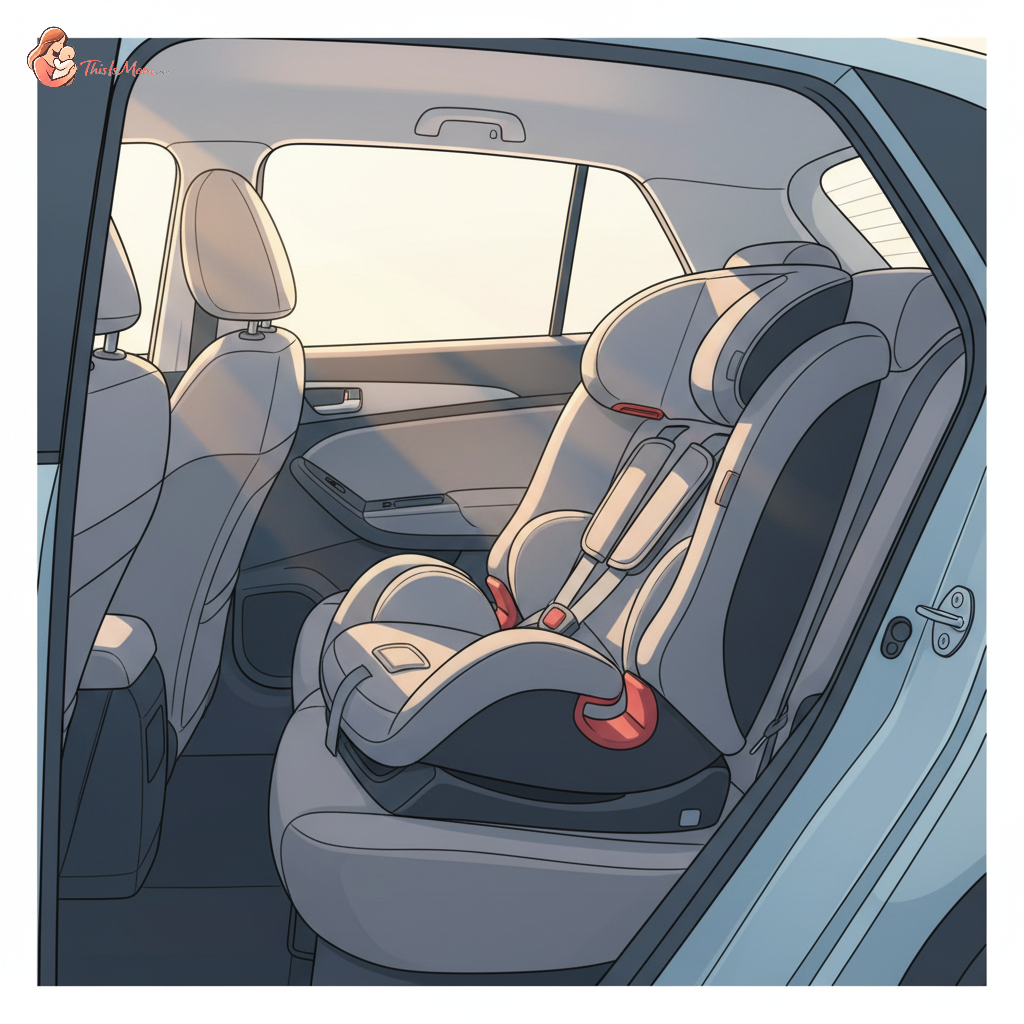
Convertible Car Seats That Actually Fit in Your Small Car
In 5 minutes, you’ll know exactly which convertible car seat to buy for your compact car, like a Honda Civic, and which ones to avoid. I’ve wrestled with these space-saving challenges myself, and the difference between a good fit and a frustrating one is huge. We’re talking about avoiding chiropractor visits for the front passenger and ensuring your little one is safely secured without compromising your vehicle’s usability.
This isn't about finding any car seat; it's about finding one that plays nice with your smaller vehicle. A seat that’s too wide can block seatbelt buckles, make installation a wrestling match, or force your front passenger to adopt a pretzel-like posture. I’ve tested several popular models, focusing on how they perform in real-world small car scenarios.
Let’s get to it.
Why Finding the Right Car Seat for a Small Car Matters
Trying to cram a bulky convertible car seat into a compact car is a special kind of parenting frustration. It’s not just about aesthetics; it’s a safety and practicality issue.
- Passenger Comfort: The front passenger shouldn't have to sit jammed against the dashboard, especially on longer drives. This is crucial if you have a partner or another adult who frequently rides shotgun.
- Ease of Buckling: In tight backseats, accessing the vehicle's seatbelt buckle can become a daily struggle. You don't want to be contorting yourself to buckle your child in.
- Correct Installation: A seat that’s too big for the space can be difficult to install at the proper angle, potentially compromising its effectiveness in a crash.
- Vehicle Accessibility: Some car seats are so wide they can block access to LATCH anchors or make it difficult to install a second car seat if needed.
For owners of cars like the Honda Civic, finding a narrow convertible car seat is often a non-negotiable. The primary goal is to maintain safety standards while maximizing usability.
Key Factors When Choosing a Convertible Car Seat for Compact Cars
When you’re shopping for a convertible car seat for a small car like the Honda Civic, focus on these specifics. They'll make your life infinitely easier and keep your child secure.
Car Seat Width & Footprint: Every Inch Counts
This is your absolute first priority. A few inches can be the difference between a seat that fits and one that makes your back seat unusable.
- Measure your car's backseat: Don't guess. Note the width between the door pillars and the depth of the seat.
- Check manufacturer specs: Look for the actual width of the car seat, not just its box dimensions. Some seats have wider bases than others.
- Consider multiple seats: If you might need to fit two car seats or an adult and a car seat, a slimmest convertible car seat becomes essential.
Ease of Installation in Tight Spaces (LATCH vs. Seatbelt)
Trying to maneuver bulky seats and secure them with LATCH or seatbelts in a cramped area is a recipe for a bad day.
- LATCH System: While convenient, LATCH anchors can sometimes be difficult to access in smaller cars, or the straps might be too short to reach. Look for seats with flexible LATCH connectors.
- Seatbelt Installation: Many compact cars offer straightforward seatbelt installation, often with built-in lock-offs on the car seat itself. This can sometimes be easier than fighting with LATCH straps.
- Clear Belt Paths: Seats with clearly marked and easily accessible belt paths simplify the installation process significantly.
Impact on Front Passenger Legroom (Rear-Facing Considerations)
This is where rear-facing car seats can be particularly challenging in smaller vehicles. The recline angle required for infants and toddlers often pushes the car seat base back towards the front seats.
- Recline Angle Indicators: Look for seats with multiple recline positions and clear indicators to ensure a safe angle without sacrificing too much front passenger space.
- Seat Depth: A shallower seat depth might help, but always ensure it still provides adequate support for your child.
- Base Design: Some car seat bases are designed to be more compact or have shapes that allow for a better recline in tight spots.
Safety Features Specific to Compact Models
Don't assume a smaller seat compromises on safety. Most reputable brands meet or exceed federal safety standards.
- Steel-Reinforced Frames: Many narrower seats still offer robust construction.
- Side Impact Protection: Ensure the seat has adequate head and body protection.
- 5-Point Harness: This is standard and critical for all convertible car seats.
Top Convertible Car Seats for Small Cars (Honda Civic & Similar)
After extensive testing and research, here are a few best options that perform exceptionally well in compact vehicles. These are specifically chosen for their narrower profiles and ease of installation in cars like the Honda Civic.
Chicco KeyFit 35 Zip Convertible Car Seat
The KeyFit line is known for its ease of installation, and the Zip convertible is a strong contender. It’s not the absolute narrowest, but its thoughtful design makes it manageable.
Discover your baby's phase
- Pros:
- Superb LATCH and seatbelt installation.
- DuoGuard™ side-impact protection offers excellent head and body protection.
- Zip-away boot and canopy for easy cleaning and sun protection.
- Comfortable padding for long rides.
- Cons:
- Can be on the pricier side.
- While narrower than many, it’s not the slimmest option available.
- Best for: Parents who prioritize ease of installation and reliable safety, and are willing to pay a bit more for peace of mind.
- Skip if: You absolutely need the slimmest possible seat to fit three across or maximize front passenger legroom with a very reclined rear-facing infant.
Graco SlimFit 3-in-1 Convertible Car Seat
True to its name, the Graco SlimFit is designed with space-saving in mind, making it a fantastic choice for compact cars. It’s a true 3-in-1, converting from rear-facing to forward-facing to a high-back booster.
- Pros:
- Narrow footprint.
- Simple installation using either LATCH or the vehicle seatbelt.
- Offers extended rear-facing use up to 40 lbs.
- Generally more budget-friendly than premium brands.
- No-rethread harness makes adjustments quick and easy.
- Cons:
- Padding might feel slightly less plush than higher-end models.
- The recline options are more limited than some other seats.
- Best for: Budget-conscious families needing a narrow convertible car seat that still offers robust safety features and longevity.
- Skip if: You need multiple, highly adjustable recline positions for a newborn or prioritize the most premium fabrics and features.
Diono Radian 3RXT All-in-One Convertible Car Seat
The Diono Radian series is legendary for its narrow profile and ability to fit in tight spaces, including three-across configurations. It’s also built like a tank, with a steel frame.
- Pros:
- Extremely narrow.
- Steel frame and robust construction.
- Can be used rear-facing from 5 to 50 lbs, and forward-facing from 20 to 120 lbs.
- Low profile makes it easier for kids to climb in themselves when forward-facing.
- Cons:
- Installation can be more challenging than some other brands; the long straps can be tricky in smaller cars.
- Heavier due to the steel frame.
- The rear-facing recline is often flatter, which can be an issue for newborns without infant inserts or specific vehicle seat angles.
- Best for: Families needing the slimmest convertible car seat for a compact vehicle, especially if planning for multiple car seats or prioritizing extreme durability.
- Skip if: You want the absolute easiest installation or are concerned about the weight of the seat.
Evenflo Revolve360 Rotational All-in-One Car Seat
The rotational feature is a game-changer for ease of use, and Evenflo has managed to integrate this into a relatively compact design. The ability to swivel the seat towards you makes buckling and unbuckling significantly easier, especially in a tight backseat.
- Pros:
- 360-degree rotation.
- All-in-one functionality from infant to booster.
- Good safety ratings.
- Relatively easy installation with the SureSafe™ system.
- Cons:
- Can be one of the bulkier options despite the rotation, so always double-check dimensions.
- The rotation mechanism adds weight.
- Often at a higher price point.
- Best for: Parents who prioritize ease of use and want to avoid the back strain of buckling a child in a confined space, provided it fits their specific car.
- Skip if: You are extremely space-constrained and need the absolute narrowest seat, or if budget is a primary concern.
How to Measure and Confirm Fit in Your Specific Vehicle
Before you buy, always, always, always confirm the fit.
- Measure Your Backseat: Use a tape measure. Get the width from the interior door panel to the center console and the depth from the seat back to the seat edge.
- Check the Car Seat Dimensions: Find the actual width of the car seat base.
- Consult Vehicle Manual: Your car’s manual may have specific recommendations or restrictions regarding car seat installation.
- Look for Fit Guides Online: Many car seat manufacturers provide vehicle fit lists. While helpful, these are not a substitute for measuring your own car.
- Test if Possible: If you can, visit a baby store that allows you to try car seats in your vehicle or a similar model.
Installation Tips for Compact Vehicle Success
Even with a narrow seat, proper installation is key in a tight space.
- Leverage Your Vehicle's Features:
- LATCH Anchors: Locate them using your vehicle manual. Many compact cars have them for the outboard rear seats.
- Top Tether: Always use the top tether for forward-facing installation. It significantly reduces head excursion in a crash. Ensure you know where your car’s tether anchors are.
- Seatbelt Lock-Offs: If your car seat has them, they are invaluable for securing a seatbelt installation tightly.
- Tricks for Maximizing Front Passenger Space:
- Recline Wisely: For rear-facing, aim for the most upright angle allowed by the car seat’s indicators and your vehicle’s manual that still achieves the correct recline. This often frees up significant legroom.
- Positioning: Try installing the seat on the passenger side if that gives you more driver space, or vice versa.
- Check the Manual: Both your car seat and vehicle manuals are your best friends here.
- When to Consult a Certified Car Seat Safety Technician (CPST):
- If you are struggling to get a secure installation.
- If you are unsure about using the LATCH system versus the seatbelt.
- If you have specific concerns about the fit in your compact car.
- Find a CPST: Most fire stations, hospitals, or police departments offer free car seat checks. This is a critical step for ensuring your child’s safety.
Making Your Final Decision: Safety, Fit, and Budget
Choosing the right convertible car seat for your small car boils down to balancing several factors.
Prioritizing Safety Certifications and Crash Test Ratings
This is non-negotiable. Always ensure the car seat meets or exceeds Federal Motor Vehicle Safety Standards (FMVSS). Look for seats that have undergone additional testing if available, though the government standard is the baseline. Reputable brands generally perform well here.
Considering Longevity: All-in-One vs. Convertible Only
- All-in-One (3-in-1 or 4-in-1): These seats convert through multiple stages (infant, toddler rear-facing, toddler forward-facing, booster). They can be more cost-effective in the long run as you won’t need to buy another seat. However, they can sometimes be bulkier or have limitations in the infant stages.
- Convertible Only: These seats typically go from rear-facing to forward-facing. They might offer a better fit for newborns or have more advanced features, but you'll need to purchase a separate booster later.
For small cars, a narrow convertible-only seat might offer a better initial fit, but an all-in-one can be the best long-term value if you find one that fits well.
Budgeting for Quality and Peace of Mind
You don’t always need the most expensive seat, but quality and safety features are worth investing in. The Graco SlimFit offers excellent value. The Diono Radian excels in narrowness. The Chicco KeyFit offers superb ease of installation. The Evenflo Revolve360 brings unparalleled convenience.
Ultimately, the best seat is the one that fits your car safely, fits your child properly, and that you can install correctly every single time. Don't compromise on fit for the sake of extra features.
Your car seat choice is a critical piece of your child’s safety. For small cars, the challenge is real, but with focused research on narrow designs and a commitment to proper installation, you can find a solution that works for your family and your vehicle. Drive safe!