Coping with Postpartum Anxiety When Breastfeeding Fails
Struggling with postpartum anxiety when breastfeeding doesn't work out? Find practical strategies, validate your feelings, and learn how to prioritize your mental health.
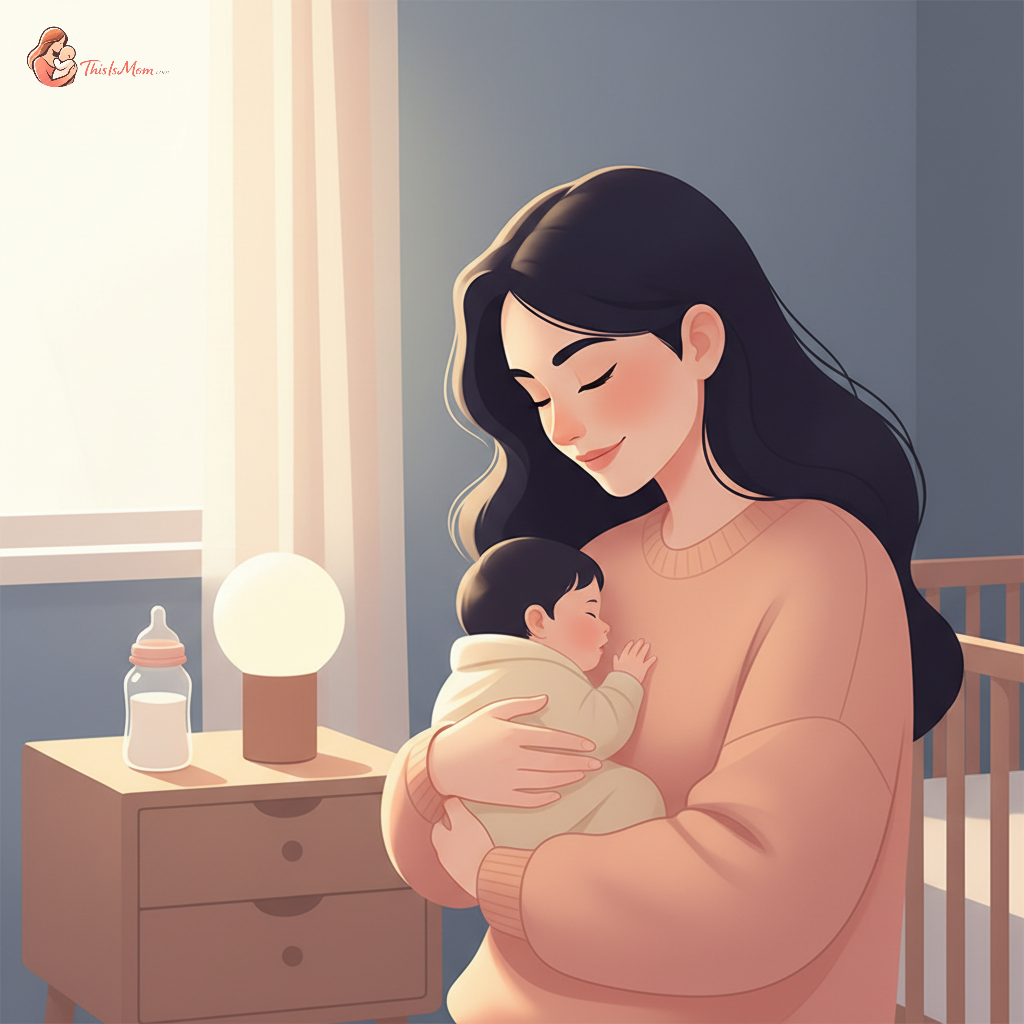
It was 2:17 a.m. The house was silent, save for Noah’s soft, rhythmic breathing from his bassinet. I, however, was wide awake, my heart thudding like a drum against my ribs. My mind raced, replaying every perceived failure of the day, every whispered doubt about my worth as a mother. The dream of effortless breastfeeding, the one I'd envisioned for years, had dissolved into a reality of cracked nipples, engorgement, and a baby who seemed perpetually unsatisfied. This intense struggle, often experienced in the lonely hours of the night, is a significant source of postpartum anxiety.
The truth is, nobody really prepares you for the sheer weight of expectation that lands on new moms. From the moment you announce your pregnancy, there's an unspoken narrative about how you should be doing things. For many, that narrative centers heavily around breastfeeding.
The Unspoken Pressure: Why Breastfeeding Goals Can Fuel Anxiety
We see perfect pictures on Instagram, read glowing testimonials, and absorb the "natural is best" mantra until it's practically tattooed on our brains. Then, reality hits.
My birth plan was detailed. My lactation consultant appointments were booked. I was ready to conquer breastfeeding. Except, my body had other plans. My supply was inconsistent. Noah struggled to latch. Every feeding session felt like a test I was failing.
This intense pressure to breastfeed, while often well-intentioned, can become a significant trigger for postpartum anxiety. The stress of not meeting these perceived ideals can, in turn, impact milk supply, creating a vicious cycle. It’s like your body is saying, "I need calm," and your mind is screaming, "You're not doing this right!"
And the guilt? Oh, the guilt. It's a heavy cloak woven from societal expectations, well-meaning but misguided advice, and the deep, primal desire to do what's best for your baby. When breastfeeding struggles arise, that guilt can feel overwhelming, whispering that you’re somehow short-changing your child.
Validation is Key: Your Feelings Are Real and Valid
It’s okay to grieve. It’s completely normal to feel a pang of sadness, frustration, or even anger when your breastfeeding journey doesn't unfold as you’d hoped. This wasn't just about milk; it was about a connection, a maternal rite of passage many of us looked forward to.
Allow yourself to feel those emotions without judgment. This isn’t about being weak or ungrateful. It’s about acknowledging the reality of your experience.
We are constantly bombarded with images of the "perfect mom." But here's the thing: perfection is an illusion. Your baby doesn't need a perfect mother; they need a present, loving one. Shifting your focus from the method of feeding to the quality of your connection is a powerful act of self-compassion.
Practical Strategies for Managing PPA in the Moment
When anxiety hits, having a few tools in your arsenal can make all the difference. It’s about finding ways to ground yourself when your thoughts start to spiral.
- Mindfulness and grounding exercises can be lifesavers. Focus on your breath. Feel your feet on the floor. Notice five things you can see, four things you can touch, three things you can hear, two things you can smell, and one thing you can taste. This technique helps pull you back to the present moment.
- Setting boundaries is crucial. You don't have to answer every intrusive question or accept every piece of unsolicited advice. Politely saying "no" or "I'm not discussing that right now" is a form of self-preservation. Protect your peace.
- Finding supportive communities is invaluable. Whether it's an online group for parents struggling with feeding or a local moms' circle, connecting with people who get it can dissolve feelings of isolation. Knowing you’re not alone is a powerful antidote to postpartum anxiety.
Embracing Your Feeding Journey: When 'Fed is Best' Becomes Your Mantra
Discover your baby's phase
When breastfeeding isn't working out, the "fed is best" philosophy isn't just a cute saying; it’s a lifeline. It’s the understanding that a nourished baby is a healthy baby, and a less-stressed parent is a better parent.
Navigating formula feeding with confidence is absolutely achievable. Do your research, talk to your pediatrician, and trust your instincts. There is nothing inherently wrong or less loving about formula. Your baby will thrive on it, and you can feel good about providing that nourishment.
Perhaps you’re considering combination feeding without judgment. This is a perfectly valid choice. Whether it's supplementing with formula or pumping to offer breast milk alongside other methods, your pediatrician can help you find a plan that works for your family. I learned how to build a freezer stash without oversupply to help with this.
The truth is, nurturing goes beyond breast milk. Your cuddles, your songs, your bedtime stories, your presence – these are the things that truly build your bond and shape your child’s development.
Prioritizing Your Mental Health: When to Seek Professional Support
It’s easy to push through, to tell yourself you’re just tired or hormonal. But there comes a point when the struggle with postpartum anxiety, especially when compounded by breastfeeding struggles, becomes too much to bear alone.
Signs it's time to talk to your doctor or a therapist include:
- Persistent feelings of sadness, hopelessness, or emptiness.
- Intrusive, disturbing thoughts you can't control.
- Panic attacks or extreme worry that interferes with daily life.
- Difficulty bonding with your baby.
- Thoughts of harming yourself or your baby.
Remember, seeking help is a sign of strength, not weakness. There are many resources for postpartum anxiety and depression, from your OB/GYN and pediatrician to mental health professionals specializing in perinatal mood disorders. Organizations like Postpartum Support International offer helplines and directories. It is important to find a PCP who understands your needs, and you can learn about the signs you need a different PCP for postpartum mental health.
Building a robust support system cannot be overstated. Lean on your partner, your family, your friends. Let them help with meals, with the baby, with household chores. Allow yourself to be cared for. Free at-home nurse visits can also be a valuable part of this support system, offering guidance and reassurance in the early weeks. I wish I had known about free at-home nurse visits for new parents earlier.
Moving Forward: Finding Joy and Connection in Parenthood
The journey of motherhood is rarely a straight line. There will be detours, unexpected bumps, and moments that test your limits. When your feeding plans go awry, it’s easy to feel like you’ve failed.
But let’s reframe success: A healthy, loved baby who is growing and thriving is the ultimate goal. Your baby doesn’t track feeding methods; they track love, security, and connection.
Focus on those precious bonding moments beyond feeding. Skin-to-skin contact, babywearing, singing lullabies, playing on the floor – these are all powerful ways to connect that don’t involve a specific feeding method.
And most importantly, giving yourself grace every single day is not optional; it's essential. You are doing the best you can with the information and resources you have. You are learning, you are adapting, and you are growing into the incredible mother you are meant to be. You are enough. It's okay if your baby only falls asleep nursing at night and you need to find gentle ways to shift this pattern.