Cost of In-Home Daycare vs. Childcare Center for Toddlers
Compare the cost of in-home daycare vs. small childcare centers for toddlers. Understand pros, cons, and hidden fees to make an informed decision for your family.
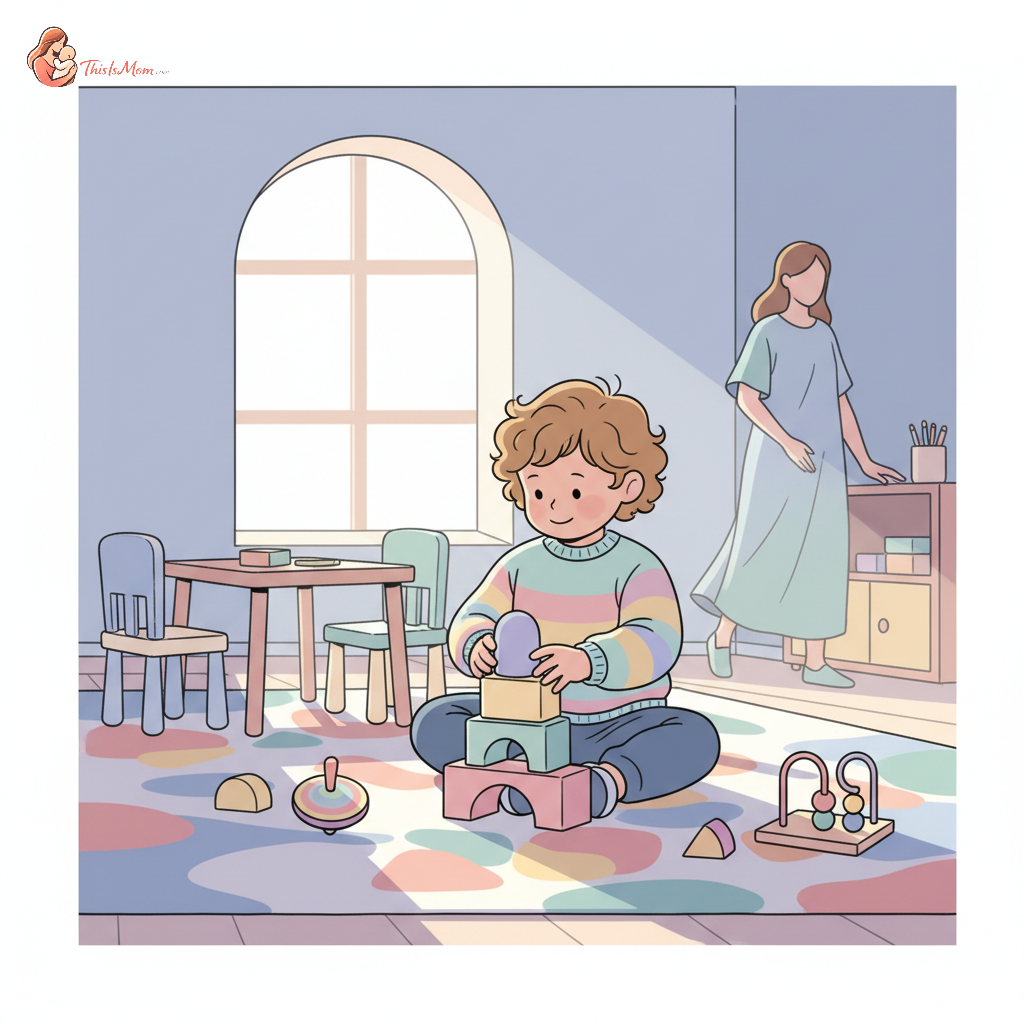
In-Home vs. Small Center Daycare: Which Toddler Care Costs Less & Delivers More?
In just a few minutes, you'll understand the cost of in-home daycare vs. small center for a toddler and discover which option better fits your family's budget and needs. As a mom of twins and a former consultant, I’ve done the legwork, breaking down the sticker shock and the real-world implications of your choices. Forget endless Reddit threads; I’ll tell you what really matters.
What’s the Difference Between Daycare Settings for Toddlers?
Before we dive into dollars and cents, let’s clarify what we’re comparing. It’s crucial to understand the fundamental differences between an in-home daycare and a small childcare center.
An In-Home Daycare: A Family’s Second Living Room
An in-home daycare operates out of a provider’s private residence. This means a smaller group of children, often a mixed-age environment, and a more family-like atmosphere. Think less institutional, more like a very well-run, organized home. The provider is usually caring for a small group, sometimes with the help of an assistant, within their own living space.
A Small Childcare Center: Purpose-Built Learning Spaces
A small childcare center is a dedicated facility, separate from any private home. It typically has multiple classrooms, potentially separated by age groups, and staff specifically hired to work there. These centers often follow a more structured curriculum and have designated play areas, both indoors and outdoors, designed solely for childcare.
The Real Financial Impact: Cracking the Daycare Code
The cost of in-home daycare vs. a small center for toddlers is a major deciding factor for most parents. While national averages exist, your specific location and the services offered will significantly influence the price.
The National Average: A Ballpark Figure
Across the United States, you’re looking at a significant investment regardless of the setting.
- In-Home Daycare: Weekly costs can range from $200 to $400, translating to approximately $800 to $1,600 per month.
- Small Childcare Centers: These tend to be on the higher end, with weekly costs often between $300 and $500, or $1,200 to $2,000+ per month.
Bear in mind, these are broad averages. Major metropolitan areas and coastal cities will see costs at the top of this range, or even exceeding it. Rural areas may offer lower prices.
What Factors Drive the Price Tag?
Several elements contribute to the daily, weekly, and monthly fees:
- Staff-to-Child Ratio: Lower ratios (fewer children per adult) are more expensive but generally offer better supervision and individualized attention.
- Hours of Operation: Extended hours or weekend care will always come with a premium.
- Inclusions: Does the fee cover meals, snacks, diapers, special activities, or field trips?
- Provider Qualifications & Experience: Highly trained or experienced caregivers, especially those with early childhood education degrees, command higher rates.
- Location: As mentioned, your geographic location is a huge cost driver.
- Facility Amenities: A center with a large playground, specialized resources, or a robust curriculum will reflect those costs.
Watch Out for Those "Hidden" Fees
Beyond the stated tuition, be aware of other potential expenses:
- Enrollment Fees: A one-time fee to secure your child’s spot.
- Activity Fees: Extra charges for music, art, or sports programs.
- Late Pickup Fees: Often substantial, these are enforced strictly.
- Supply Fees: Some providers charge a fee for general classroom supplies.
Beyond the Bottom Line: Pros and Cons for Your Toddler
Cost is essential, but the pros and cons of in-home daycare vs. centers are crucial for your child’s development and your peace of mind.
The Perks of an In-Home Setting
- Home-like Environment: Familiar, comforting, and less overwhelming for some children.
- Smaller Groups: This often leads to a more intimate setting with fewer germs circulating.
- Flexible Scheduling: In-home providers may sometimes offer more flexibility with drop-off and pick-up times, though this is not guaranteed.
- Mixed-Age Groups: Older children can learn from younger ones, and vice-versa; this can foster a sense of family.
- Potentially Lower Cost: As we’ve seen, these are often more budget-friendly.
The Advantages of a Small Center
- Structured Curriculum: Centers typically have a planned educational program designed for a child's developmental stage.
- Dedicated Facilities: Purpose-built spaces offer dedicated areas for specific activities (play, nap, meals).
- Professional Staff: Centers often have more formalized training requirements and staff development.
- Socialization with Peers: Children interact with a larger group of children their own age.
- Emergency Preparedness: Centers usually have more robust safety plans and protocols.
Discover your baby's phase
The Tradeoffs to Consider
- In-Home Daycare:
- Less oversight from external agencies compared to centers, relying heavily on the provider’s individual practices.
- Can be harder to find openings, and the provider’s personal issues (illness, vacation) can directly impact care.
- Smaller groups can mean fewer opportunities for diverse peer interaction if your child is the only one in a specific age range.
- Small Childcare Centers:
- Higher cost is a significant factor for many families.
- Can be more stressful for children who are sensitive to noise, larger groups, or a less familiar environment.
- Less flexibility in scheduling and policies.
- Higher likelihood of exposure to more illnesses due to the larger number of children.
Navigating the Big Picture: Financial and Practical Hurdles
Choosing between in-home care and a center involves looking beyond the daily routine to the broader impact on your family.
Daycare vs. Staying Home: A Broader Perspective
The question of daycare versus staying home involves more than just cost. While daycare vs. stay-at-home statistics often point to the benefits of early socialization and structured learning that quality daycare provides, for some families, staying home (or having a grandparent, nanny, or other family member provide care) offers a more personalized, less costly, and less germ-filled environment. The "best" option is entirely dependent on your financial situation, your child's temperament, your support network, and your career demands.
Your Tour Checklist: Questions That Matter
When visiting potential providers, arm yourself with questions. For both in-home and center-based care, ask:
- What is the staff-to-child ratio in my toddler’s intended group? (Ask for actual numbers, not just ratios).
- What are the daily schedules like (meals, naps, play, learning activities)?
- How do you handle discipline and positive behavior management?
- What are your policies on sick children?
- How do you communicate with parents about their child’s day?
- What meals and snacks are provided? (Ask for a sample menu).
- What are your emergency procedures?
Licensing and Accreditation: Your Assurance
- Both in-home daycares and centers are typically required to be licensed by their state’s childcare licensing agency. This ensures they meet basic health, safety, and operational standards.
- Accreditation is a voluntary process where a facility undergoes a rigorous evaluation by an independent organization. Accredited facilities often meet higher standards for curriculum, teacher qualifications, and overall quality. Look for this as an added bonus, but licensing is the baseline requirement.
Piecing It All Together: What Other Parents Say
Real-world experiences often highlight the practical differences parents encounter. Talking with other parents or perusing online forums can offer invaluable insights.
Parent Perspectives: Threads of Experience
Many parents report that in-home daycare offers a more personal touch, with providers often becoming like family. This is especially appealing if you prefer a nurturing, less formal environment.
Conversely, parents who choose small centers often praise the structured learning and development their children receive. They also appreciate the clear separation between home and work for the caregivers, which can lead to more consistent operations.
The key takeaway from parent feedback is that quality varies significantly within both categories. A well-run in-home daycare can be superior to a poorly managed center, and vice-versa.
Budgeting Beyond the Monthly Bill
Childcare is often the second-largest household expense after housing. Here are a few tips for managing the cost:
- Explore Tax Credits: Look into the Child and Dependent Care Credit on your federal taxes. #Claiming Child Tax Credit for a December Newborn: US Guide is a good resource.
- Employer-Sponsored Dependent Care Accounts (DCAs): If offered by your employer, these allow you to set aside pre-tax dollars for childcare expenses. #Dependent Care FSA for Childcare: Summer Camp vs. After-School Care can help manage these costs.
- State and Local Assistance Programs: Research subsidies or grants available in your area based on income.
- Consider Part-Time Options: If feasible, explore part-time care at a center or a shared arrangement for in-home care, though these can be harder to find.
The Final Word
The cost of in-home daycare vs. small center for a toddler is just one piece of a much larger puzzle. While in-home daycares are generally more budget-friendly, the true value lies in the quality of care, the environment, and how well it meets your child's individual needs and your family's values.
My Pick for Budget-Conscious Families: Look for a well-established, licensed in-home daycare. The lower price point often allows more families to access regular care, and many provide an incredibly nurturing and stimulating environment. Prioritize finding a provider with excellent references and a clear philosophy that aligns with yours.
My Pick for Structured Learning Enthusiasts: If you prioritize a formal curriculum and dedicated learning spaces, a small, well-regarded childcare center is likely your best bet. Be prepared for a higher monthly cost, but investigate centers that emphasize play-based learning and small group sizes within their classrooms.
Skip This: Avoid any provider, in-home or center, that doesn't have its state license prominently displayed or that has consistently negative reviews regarding safety, cleanliness, or caregiver responsiveness. The cheapest option is never worth compromising your child’s well-being.