20 Creative Ways to Introduce Veggies to a Picky Toddler
Transform mealtime struggles! Discover 20 creative, pressure-free ways to introduce new vegetables to your picky eater toddler and foster a positive relationship with food.
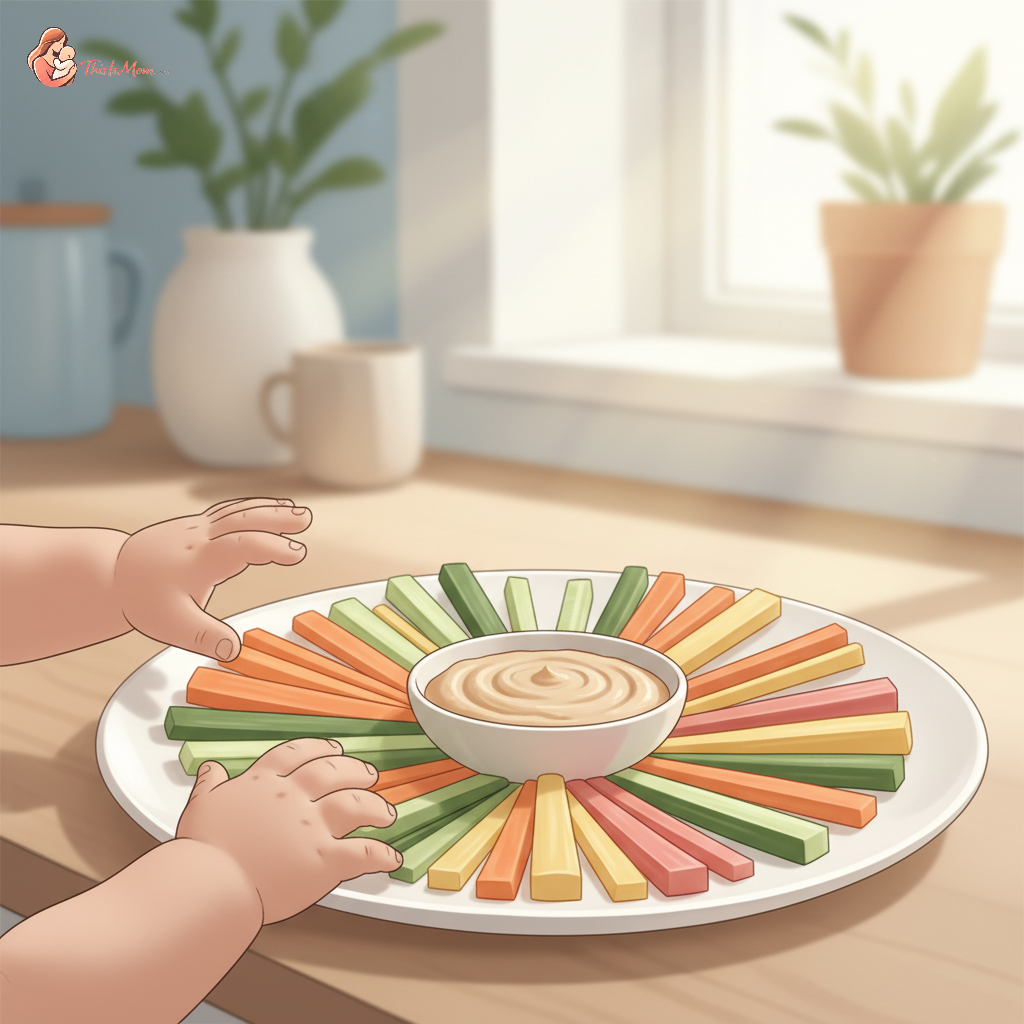
A Toddler's Garden of Yes: Creative Ways to Introduce New Vegetables to Your Picky Eater
Before you even think about another mealtime negotiation, take a quiet moment to observe your child. Notice their hands – how they grasp, how they explore. Notice their eyes – what captures their fascination? This simple act of observation is the bedrock of understanding, especially when navigating the often-tricky landscape of introducing new vegetables to a picky eater toddler. It’s easy to feel frustrated, to see refusals as defiance, but often, it’s simply a step in the child's natural development, a declaration of emerging independence. We want to foster a positive relationship with food from the start, and that begins with patience and a willingness to try new approaches.
Why the Veggie Battle? Understanding Your Toddler's 'No!'
That firm "No!" when presented with a broccoli floret or a sliver of bell pepper can feel personal. But for the child, it’s rarely about you. From around 18 months to 3 years, a sensitive period for autonomy is in full bloom. The child is learning about their own will, their preferences, and their power to influence their environment. Food is a very tangible way they can exert this emerging independence. They say "no" to the vegetable, but they might be saying "yes" to themselves, to their developing sense of self.
Their taste buds are also changing. What a child once accepted might suddenly be rejected. This neophobia, a fear of new things, is a natural evolutionary protective mechanism. It’s not a sign of a flawed palate, but a sign of a healthy, cautious explorer. Understanding these underlying developmental stages can shift our perspective from one of conflict to one of support. We can prepare an environment where food is explored, not dictated.
Turn Mealtime into Playtime: Engaging Approaches
The moment we reframe meals from a performance of eating to an opportunity for exploration, the dynamic shifts. When we’re looking for creative ways to introduce new vegetables to a picky eater toddler, making it fun is key. Engagement, not just consumption, becomes the goal.
The 'Food Explorer' Plate: Deconstructed Dinners
Instead of a perfectly assembled meal, try serving components separately. This allows the child to choose what they want to interact with. A plate of steamed carrot coins, a few cucumber sticks, and a dollop of hummus offers variety and choice. They might ignore the carrots today, but tomorrow, they might pick one up to inspect. This is a wonderful way to start implementing strategies for introducing new foods with less pressure.
Offer a tiny portion of the new vegetable alongside a familiar, well-loved food. This isn't about tricking them, but rather about gentle co-habitation. The new food is present, accessible, and not overwhelming. The child can observe it, touch it, and perhaps even lick it, all without the expectation of eating it.
Tiny Hands, Big Help: Involving Them in the Kitchen
Children are naturally drawn to helping. Inviting them into the kitchen, even with simple tasks, can transform a hesitant eater into an interested participant. When a child has a hand in preparing food, they often feel a sense of ownership and pride, which can motivate picky toddlers to eat vegetables.
Here are a few simple kitchen tasks suitable for toddlers aged 18 months to 3 years:
- Washing produce: Under cool running water, let them help wash softer vegetables like bell peppers or zucchini.
- Tearing lettuce: For a salad, provide a head of romaine and let them tear off bite-sized pieces.
- Stirring: With supervision and a child-safe spoon, they can help stir ingredients in a bowl.
- Sprinkling: A little sprinkle of herbs or cheese can be a fun, sensory experience.
Focus on the process, not perfection. The goal is exposure and positive association, not a flawlessly executed recipe.
Beyond the Plate: Making Veggies Familiar and Fun
Introducing vegetables doesn't have to be confined to mealtimes. We can weave them into the fabric of a child's day, making them familiar allies rather than foreign invaders.
Garden Adventures: Growing Your Own Goodness
If you have even a small patch of soil or a few pots on a balcony, consider planting a small vegetable garden. Children are endlessly fascinated by the process of growth, and there's a unique magic in pulling a carrot from the earth or picking a ripe tomato.
Starting with easy-to-grow options like radishes, peas, or cherry tomatoes can be rewarding. The tactile experience of digging, planting seeds, and watering fosters a connection to where food comes from. Seeing a vegetable they helped cultivate often makes the prospect of tasting it much more appealing. This is a powerful, how to get picky toddler to eat vegetables strategy that taps into their natural curiosity.
Discover your baby's phase
Storytime & Superheroes: Eating Their Powers
Books can be powerful tools. Many children's books feature fruits and vegetables, normalizing their presence. Reading about a character who loves eating spinach can spark interest.
We can also connect vegetables to concepts of strength and superpowers. "Eating these carrots will help you see better, just like a superhero!" or "These peas give you energy to run fast!" This playful association taps into a child's imaginative world. It's not about deception, but about framing vegetables as positive enhancers of their own capabilities.
Creative Sneaks (When Playtime Isn't Enough)
Sometimes, despite our best efforts at open-ended exploration, direct introduction still meets resistance. In these moments, a gentle, thoughtful approach to incorporating vegetables into familiar favorites can be a bridge. This isn't about hiding them out of obligation, but about ensuring the child receives nutrients while continuing to build positive associations.
Hidden Gems: Smoothies, Muffins, and Beyond
Smoothies are a classic for a reason. A handful of spinach or a quarter of an avocado can blend seamlessly into a fruit-based smoothie, adding vibrant nutrients without a noticeable taste change. Start small – a leaf of spinach is a good beginning.
Muffins, pancakes, or even pasta sauces are also excellent vehicles. Pureed carrots or zucchini can disappear into muffin batter, adding moisture and nutrients. Finely grated sweet potato or butternut squash can be incorporated into pasta sauce recipes. These are practical vegetable recipes for picky eaters toddlers that offer a starting point.
Flavor Pairings: The 'Yes' Foods to the 'Maybe' Veggies
Think about the foods your child already loves – their "yes" foods. Often, new vegetables can be introduced alongside them. This is about leveraging existing positive associations.
- Dips and Spreads: Offer cucumber sticks or bell pepper strips alongside a favorite hummus, yogurt dip, or cream cheese.
- Pairing with Cheese: Small pieces of steamed broccoli or cauliflower tossed with a sprinkle of mild cheddar cheese can be more appealing.
- Sweetness Appeal: Roasting vegetables like carrots, sweet potatoes, or butternut squash brings out their natural sweetness, which many toddlers find more agreeable. Serving these alongside favorite fruits can make them more approachable.
The key is to ensure the new vegetable is still visible and identifiable, even if paired with something familiar. This respects the child's developing palate and autonomy. Learning how to introduce vegetables to picky eaters is often about finding these successful pairings.
Patience and Persistence: Your Secret Ingredients
Perhaps the most crucial elements in our efforts to introduce new vegetables are patience and a consistent, relaxed approach. The journey from refusal to acceptance is rarely linear. The average child may need to be exposed to a new food between 10 to 15 times, sometimes more, before they are willing to taste it.
One Bite Wonders: No Pressure, Just Exposure
Resist the urge to pressure, bribe, or force. This can create negative associations that are harder to overcome. Instead, focus on consistent, low-pressure exposure. Keep offering small portions of a variety of vegetables in different preparations.
Celebrate small victories. If the child touches a new vegetable, puts it on their plate, or even licks it – acknowledge it with a simple, neutral observation like, "Oh, you’re looking at the peas." Avoid overly enthusiastic praise that can feel like pressure. Your calm, steady presence is a powerful influence on their willingness to explore.
When to Call the Pros: Recognizing Red Flags
While picky eating is common and often a phase, there are times when seeking professional guidance is advisable. If your child is consistently refusing entire food groups, experiencing significant weight loss or poor growth, gagging or choking frequently on food, or if meal times are causing extreme distress for the child or family, it’s time to consult with your pediatrician or a registered dietitian specializing in pediatric feeding. They can help evaluate for underlying issues and provide tailored strategies.
Introducing new foods is a marathon, not a sprint. By observing your child, preparing the environment with intention, and offering invitations with a playful spirit, you are giving them the gift of a positive relationship with food, one small bite at a time.