Creative Ways to Offer Veggies to a Sauce-Averse Toddler
Discover effective strategies to encourage your sauce-averse toddler to eat vegetables without dips. Learn creative presentations, natural flavor enhancers, and tips for picky eaters.
Beyond the Dip: Creative Ways to Offer Vegetables to a Sauce-Averse Toddler
Navigating mealtime with a sauce-averse toddler can be a surprising journey. Many parents find themselves trying to mask vegetables, only to discover that the solution might lie in a different approach entirely. For some children, a dollop of anything wet can be a turn-off, leading to a rejection of perfectly good vegetables. This guide offers creative, sauce-free strategies to encourage your little one to embrace their greens.
The Little One's Logic: Why Sauces Can Be a Roadblock
It’s easy to get frustrated when your toddler turns their nose up at a perfectly good carrot stick, especially when you know they'd gobble it if it were covered in cheese sauce. But in hindsight, there's often a deeper reason behind their sauce aversion. Sometimes, it's not just about the taste. For some toddlers, it's the texture – the way the sauce changes a familiar food, making it mushy or gooey. Others are seeking a sense of control. If they can't control the sauce, they might reject the whole offering. It’s a small rebellion, a way of saying, "I decide what goes in my mouth."
Making Veggies an Art Project (No Painting Required!)
When a child enters a sauce-averse phase, getting creative with presentation can be key. Forget just plopping peas on a plate; the goal is to make veggies an adventure.
A Feast for the Eyes
Toddlers are visual creatures. If it looks interesting, they’re more likely to try it.
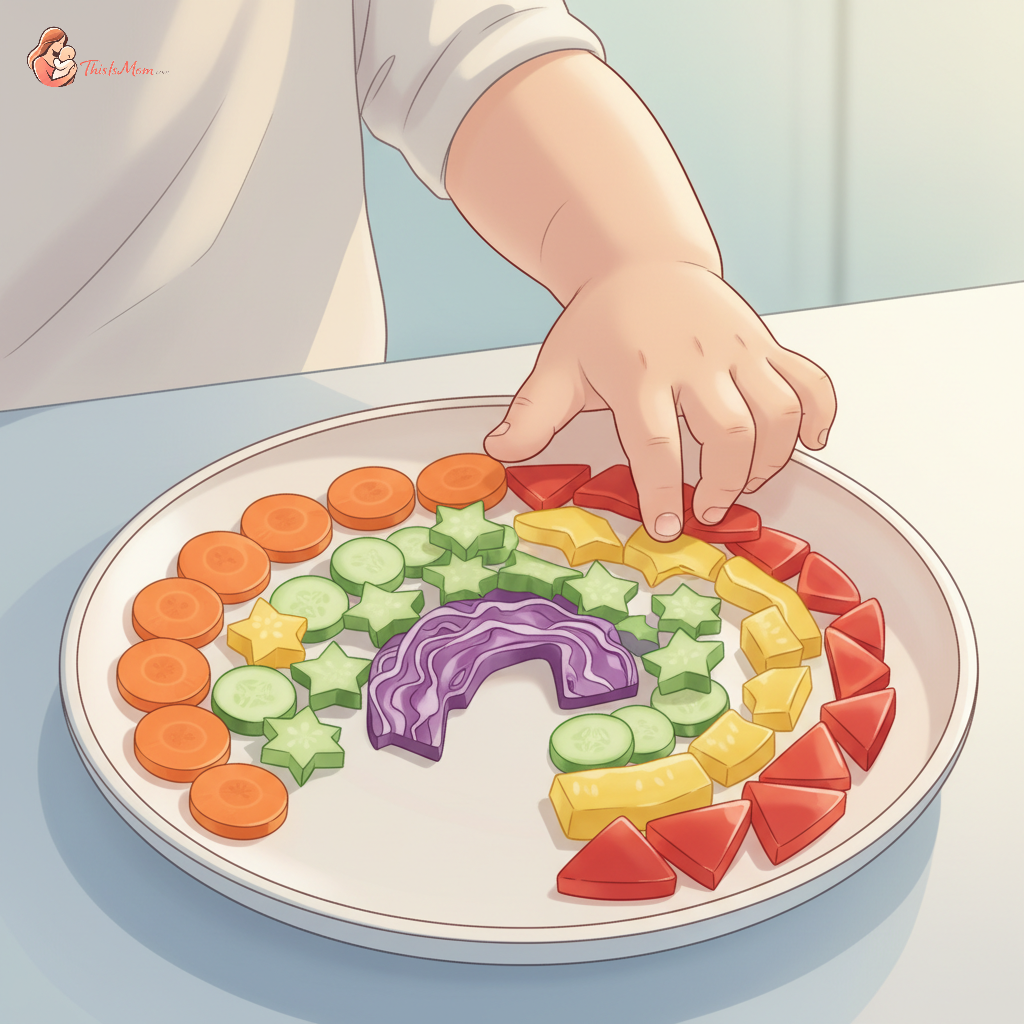
- Cookie Cutter Fun: Sweet potato, cucumber, or zucchini can be cut into fun shapes like stars, dinosaurs, or little cars – whatever sparks their imagination.
- Spiralize and Slice: Zucchini noodles, sweet potato spirals, or even thin apple slices can be intriguing.
- Rainbow Plates: Arrange different colored veggies in a pattern. A little yellow bell pepper, some red cherry tomatoes (halved for safety!), and green cucumber sticks can look like a mini rainbow.
The Deconstructed Delight
Instead of a mixed-up casserole, try a deconstructed meal. Put small portions of different components on the plate separately: a few pieces of steamed broccoli, some chicken, a tiny pile of peas. This allows them to see each item clearly and choose what they want to combine themselves.
The Satisfying Crunch
Sometimes, the simplest approach is the best. Toddlers often enjoy the sensory experience of a crisp bite.
- Mini Sticks: Offer small, easy-to-hold sticks of cucumber, bell pepper, or even jicama.
- Tiny Florets: Raw or lightly steamed broccoli and cauliflower florets can be surprisingly appealing.
- Edible Dippers (No Sauce!): Offer something crunchy on its own, like snap peas or carrot sticks, and let them explore.
Beyond the Dip: Unlocking Vegetable Flavor Naturally
The truth is that vegetables have incredible flavor on their own, especially when prepared a certain way. My sauce-averse toddler has taught me the magic of simple seasonings and cooking methods.
Roasting: The Sweet Secret
Roasting vegetables transforms them. The natural sugars caramelize, creating a deeper, sweeter flavor and a tender-crisp texture that’s often a hit. Think roasted sweet potato cubes, Brussels sprouts (halved), or cauliflower florets. Just a little olive oil, and let the oven do the work.
The Spice Rack's Gentle Hand
You don't need to go wild with strong spices. Mild, familiar flavors can make a big difference.
- Garlic powder and onion powder: These are classics for a reason.
- A pinch of paprika: Adds a hint of color and mild flavor.
- Fresh herbs: Finely chopped parsley or chives can add a burst of freshness without being overpowering.
The Power of Fat (in moderation!)
Discover your baby's phase
A tiny bit of healthy fat can make vegetables more palatable and satisfying.
- A drizzle of olive oil: Simple and effective.
- A small pat of butter: A classic for a reason, especially on green beans or corn.
- A sprinkle of cheese: Parmesan or a mild cheddar can be a game-changer for some picky eaters.
Kitchen Involvement: Building Ownership, Not Obstacles
When a toddler feels involved, they’re more likely to try what they’ve helped create. This doesn’t mean you need to turn your kitchen into a culinary school for tots, but simple tasks can build confidence and reduce resistance.
From Garden to Plate
If you have the space, even a small pot of herbs or a single tomato plant can be an incredible learning experience. Letting them water it, watch it grow, or even pick a berry can foster a sense of pride and curiosity about the food. Visiting a local farmer's market and letting them choose a new vegetable can also be a great step.
Little Hands, Big Help
Empower them with age-appropriate tasks.
- Washing: Let them rinse berries or snap peas under cool water.
- Tearing: Leafy greens for salads or herbs can be torn by little hands.
- Mixing: Stirring ingredients in a bowl (with supervision, of course) makes them feel like a part of the creation process.
The Power of Choice
Offer limited, acceptable choices. Instead of "Do you want peas?", try "Would you like your peas raw or steamed today?" Or put two different veggies on their plate and let them choose which one to try first. This gives them a sense of autonomy without overwhelming them or compromising nutrition too much.
Gentle Exposure: The Long Game of Taste
When it comes to toddler picky eaters and vegetables, persistence is key, but pressure is counterproductive. The goal is to keep mealtime positive, even when they refuse.
The 'No Thank You' Plate
This is a game-changer. Give your child a small, separate plate or section on their main plate for foods they aren’t interested in trying yet. They can place refused items there without a fuss, respecting their boundaries while still exposing them to the food.
Eat Your Own Veggies!
Children are sponges. They watch and mimic. Make sure you’re eating a variety of vegetables yourself, and show genuine enjoyment. Talk about how delicious your broccoli is, or how sweet the roasted carrots are.
Keep It Light and Bright
Avoid power struggles. Battles over food can create long-term negative associations. Bribing with dessert often sends the message that vegetables are a chore to be endured for a reward, rather than a nourishing part of a meal. Focus on making mealtimes pleasant experiences, regardless of what ends up in their tummies. This too shall pass, and with a little patience, you can help your child discover a love for veggies.
When the Plate is Empty (and You're Still Worried)
Most of the time, these picky phases are just that – phases. But sometimes, there are underlying concerns that warrant a chat with your pediatrician. If you're worried about your child's overall nutritional intake or if their food rigidity is extreme, don't hesitate to reach out.
- Concerns About Nutrition: If you're concerned your child isn't getting enough vitamins or minerals, your pediatrician can offer guidance, suggest safe supplements if necessary, and rule out any underlying medical issues.
- Extreme Rigidity: If your child has a very limited "safe" food list, avoids entire food groups, or gags or vomits when offered new foods, it might be worth discussing with a professional. This can sometimes point to sensory processing issues or other challenges.
- Resources and Support: Your pediatrician can often point you towards registered dietitians, feeding therapists, or reputable organizations that offer support and strategies for picky eating.