Dads & Postpartum Depression Symptoms: What You Need to Know
Dads can experience postpartum depression too. Learn to recognize the subtle symptoms in fathers, understand the causes, and discover how to find support and treatment for paternal PPD.
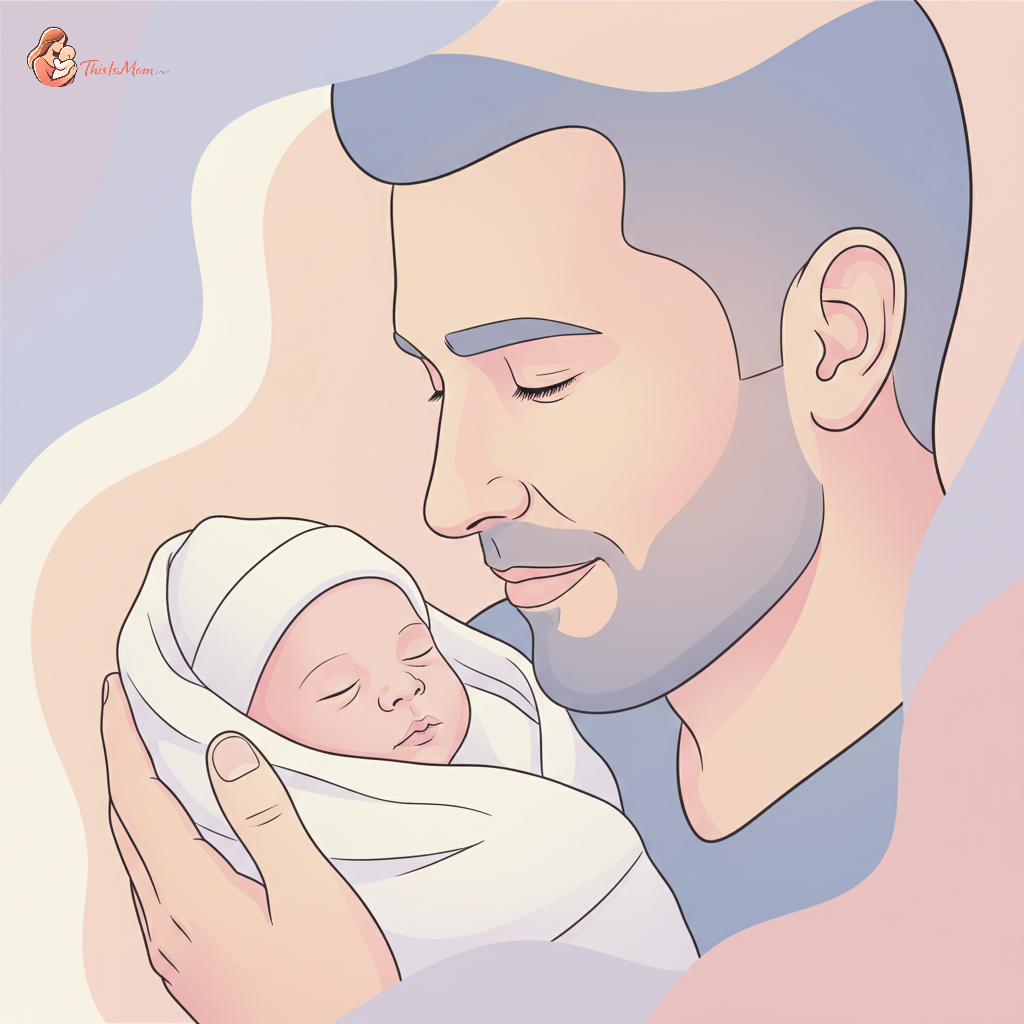
Dads Get Postpartum Depression Symptoms: What to Know
When a newborn arrives, the focus is often on the birthing parent. But what about Dad? You might be surprised to learn that dads also experience postpartum depression symptoms. While often less discussed, paternal postpartum depression (PPD) is a significant concern for fathers and the entire family unit. Understanding the signs and knowing how to help is crucial for everyone's well-being.
It's Not Just 'Baby Blues': Recognizing PPD in Fathers
Postpartum depression isn't exclusive to mothers. While the experience can differ, fathers can and do experience significant mood changes and mental health challenges after a baby's arrival. Research suggests a notable percentage of fathers experience depressive symptoms in the postpartum period.
What PPD Looks Like in Dads vs. Moms
Maternal PPD is often characterized by sadness, crying spells, and feelings of worthlessness. For fathers, the presentation can be different, sometimes more subtle. Instead of overt sadness, you might see fathers exhibiting irritability, anger, or even aggression. These symptoms can be harder to recognize as PPD because they might be dismissed as normal stress or adjustment. It's important to expand our understanding to include the unique ways paternal postpartum depression can manifest.
Why Dads Experience PPD: Hormones, Stress, and Role Changes
Several factors contribute to why dads experience postpartum depression. Hormonal shifts, while more pronounced in mothers, also occur in fathers, though their exact impact is still being researched. More significantly, the immense stress of a new baby, financial pressures, and drastic changes in daily life and routines can trigger or exacerbate depressive symptoms.
The transition to fatherhood involves navigating new responsibilities and expectations. This can be overwhelming, especially when combined with sleep deprivation and the adjustments required of the entire family. Understanding these pressures helps explain why fathers can be vulnerable to postpartum depression.
Subtle Signs: How PPD Symptoms Might Show Up in Fathers
Recognizing postpartum depression in fathers often requires looking beyond typical presentations. The signs can be disguised by societal expectations of male stoicism or simply attributed to the exhaustion of new parenthood.
Irritability, Anger, or Increased Conflict
One of the most common ways paternal postpartum depression signs appear is through increased irritability and anger. A father might find himself snapping at his partner, becoming easily frustrated with minor issues, or engaging in more arguments than usual. This emotional dysregulation can strain relationships.
Withdrawal from Family and Friends
Instead of seeking comfort, a dad struggling with postpartum depression might pull away. He may spend more time alone, avoid social gatherings, or disconnect from his partner and children. This withdrawal can be a sign of internal struggle and an unhealthy coping mechanism.
Changes in Sleep and Appetite
Like in other forms of depression, significant changes in sleep and appetite are common. This might mean sleeping much more or much less than usual, or experiencing a drastic shift in eating habits—either overeating or losing interest in food. These are clear indicators that something is amiss.
Physical Symptoms: Headaches, Digestion Issues
Mental and physical health are closely linked. Research suggests that men experiencing depression may report more physical symptoms than emotional ones. These can include persistent headaches, stomach problems, and general aches and pains that lack a clear medical cause.
Loss of Interest in Activities, Including the Baby
A hallmark of depression is anhedonia, the loss of interest or pleasure in previously enjoyed activities. For fathers, this can extend to a reduced interest in hobbies, work, or even interacting with their newborn. This can be particularly concerning for bonding and family connection.
Beyond the Surface: The Impact of PPD on Dads, Moms, and Baby
When fathers experience postpartum depression, the ripple effects can be substantial, impacting the entire family system. Addressing these issues is vital for the health and happiness of everyone.
Effect on Partner Relationship and Intimacy
Paternal postpartum depression can put significant strain on the partnership. Increased conflict, emotional distance, and a lack of shared joy can erode intimacy and connection. The birthing parent, already navigating her own postpartum recovery and potential PPD, may also feel burdened by supporting a struggling partner.
Discover your baby's phase
Bonding Challenges with the Newborn
A father's ability to bond with his baby can be hindered by depression. When a dad is withdrawn, irritable, or lacks interest, it can affect his engagement with his child. This can have long-term implications for the father-child relationship and the baby's developmental outcomes.
Risk Factors: Previous Depression, Financial Strain, Lack of Support
Certain factors can increase a father's risk for developing postpartum depression. A history of depression or other mental health conditions is a significant predictor. Financial worries, job instability, a lack of social support, relationship difficulties, and unanticipated birth complications can also play a role.
Offering a Lifeline: Practical Ways to Support a Dad with PPD
Recognizing the signs is the first step. The next is offering support. If you suspect your partner, a friend, or a family member is experiencing paternal postpartum depression, there are actionable ways to help.
Open Communication and Active Listening
Create a safe space for him to talk. Listen without judgment, and validate his feelings. Simply letting him know you're there for him and that what he's experiencing is real can make a difference. Avoid dismissing his struggles as "just stress."
Encouraging Self-Care and Breaks
New parenthood is exhausting. Encourage him to take short breaks for himself, whether it's a walk, a hobby, or just some quiet time. Help facilitate these breaks by taking over baby duties or coordinating with other family members.
Sharing the Mental Load of Parenting
The "mental load"—the planning, organizing, and anticipating needs—can be overwhelming. Actively involve him in these tasks and share the responsibilities. This can reduce his feelings of being overwhelmed and increase his sense of partnership.
Navigating When to Suggest Professional Help
If his symptoms are persistent or severe, gently suggest seeking professional help. Frame it as a sign of strength, not weakness. You can offer to help him find a doctor or therapist, or even go with him to his first appointment for support.
Resources for Dads: Finding Support and Treatment
There are many avenues for dads to find help and support when navigating paternal postpartum depression. Reaching out is a brave and important step.
When to Talk to a Doctor (for Dad or Partner)
If you or your partner are experiencing significant mood changes, persistent sadness, irritability, or thoughts of self-harm, it’s time to speak with a healthcare professional. This could be your primary care physician, a psychiatrist, or a mental health specialist. They can assess the situation and recommend appropriate treatment.
Therapy Options: Individual and Couples Counseling
Therapy can be incredibly effective. Individual therapy can help fathers develop coping strategies and address underlying issues. Couples counseling can help rebuild communication, address relationship strains, and foster a stronger partnership during this challenging time.
Support Groups and Online Communities for Dads
Connecting with other fathers who have gone through similar experiences can be very validating. Many organizations offer support groups specifically for new fathers, some of which focus on mental health and PPD. Online forums and communities can also provide a sense of belonging and shared understanding.
Importance of a Strong Support System
A strong network of family, friends, and community resources is invaluable. Encourage him to lean on trusted individuals. For partners, it's also crucial to have your own support system in place. Taking care of yourself allows you to better support your partner and your family.