Daycare Drop-Off Routine: Prevent Toddler Meltdowns
Transform stressful daycare drop-offs into calm goodbyes! Learn effective strategies and a predictable routine to prevent toddler meltdowns and ease separation anxiety.
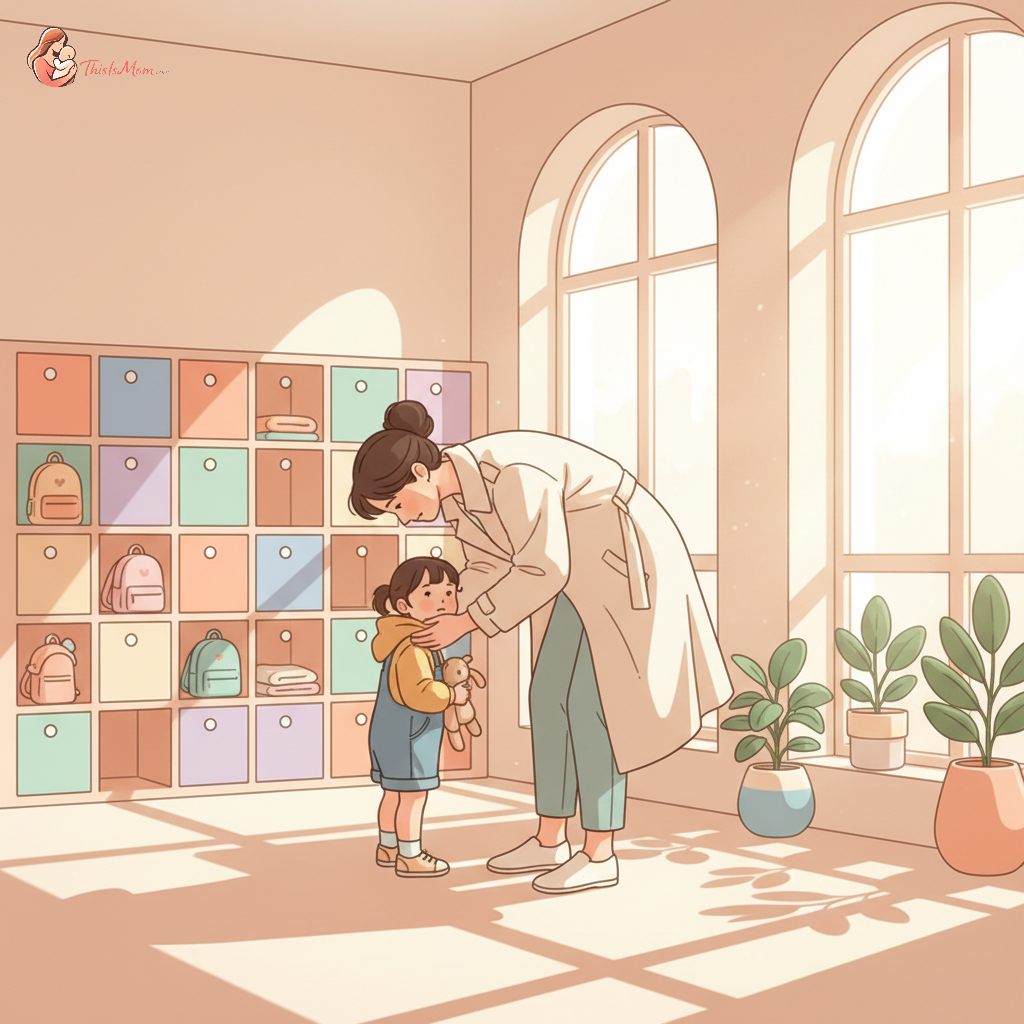
Mastering the Morning: Your Daycare Drop-Off Routine to Prevent Toddler Meltdowns
With my first child, daycare drop-off was a daily battlefield. Tears, screams, and me fumbling for my keys through a blur of guilt. By my fourth, mornings were… well, still busy, but the drop-off itself? A walk in the park, relatively speaking. Looking back, the biggest lesson wasn't about perfect preparation or a magic phrase. It was understanding that a predictable daycare drop-off routine and a dash of grace are your best weapons against those morning meltdowns. If I could tell my younger self one thing, it’s that you’ve got this, and it doesn’t have to be a daily ordeal.
Why Mornings Feel Like a Marathon, Not a Sprint
Those morning meltdowns aren't entirely about your toddler being difficult. There's a lot going on under their tiny hats. Separation anxiety is a big one. For many toddlers, the world revolves around you, their primary attachment figure. Leaving you, even for a few hours, can feel like a genuine loss. It’s a perfectly normal developmental stage, though it certainly doesn’t feel normal when you’re on the receiving end of a full-blown tantrum.
Rushed mornings add fuel to the fire. When we’re scrambling, our stress levels skyrocket, and our little ones absorb that energy. A hurried breakfast, a frantic search for a lost shoe, the pressure to get out the door now – it all creates an environment ripe for upset. They sense the urgency, and it makes their own need to cling or protest even stronger.
You might have heard of the 3-3-3 rule for toddlers, referring to the time it takes for a child to adjust to a new environment. While it's a helpful concept for understanding adjustment periods, in the immediate moment of a tantrum, it offers little practical relief. What’s more practical is recognizing that many of these intense moments are temporary. This phase, this particular struggle – it will likely pass within weeks, if not sooner, with consistency.
Building Your Calmly Choreographed Daycare Drop-Off
The magic lies in preparation, and a lot of that happens before the sun even rises, or rather, the night before. Laying out clothes, packing lunches, and prepping snacks in advance can shave precious minutes off your morning scramble. Doing this with my older ones taught me the hard way that even five minutes saved can mean a more peaceful departure.
Then, it's about giving yourself grace and an earlier start. That extra 15 minutes to make coffee without an audience, to breathe, to simply be before the chaos descends, is invaluable. It shifts your own mindset from rushed to ready. You control what you can, and then you accept the rest.
The journey itself can become a calming part of the routine. Whether it's a short drive or a walk, point out familiar landmarks, sing songs, or talk about what their day at daycare might hold. Making the transit predictable helps signal that you're moving towards separation, but in a guided, safe way. By the time you arrive, the transition is already underway.
At the daycare door, a predictable arrival ritual is key. This could be a special handshake, a quick hug and kiss, and a simple, loving phrase like "I love you! I'll see you later!" Consistency here is crucial. It creates a sense of security because your child knows exactly what to expect. It tells them, "Mommy/Daddy always says this, and then they leave and come back."
Discover your baby's phase
The Art of the Quick, Loving Goodbye: Navigating Toddler Separation Anxiety
When it comes to handling those inevitable toddler tantrums at drop-off, the advice often boils down to one thing: be brief. It’s tempting to linger, to try and soothe every whimper, to negotiate. But in most cases, this prolongs the agony for everyone. The truth nobody tells you is that sometimes, the fastest way out is the kindest way for your child in that moment.
Setting expectations and sticking to them is paramount. If you've said goodbye, and your child is upset, give them a hug and a kiss, reiterate that you'll be back, and then leave. If you see them crying from the window, resist the urge to go back in. This can inadvertently teach them that crying leads to you staying. It’s tough, I know. I’ve stood outside many a classroom door, heart aching.
Connecting with the caregivers is also a vital piece of the daycare drop-off routine puzzle. Let them know how your child is feeling that morning. A quick word with the teacher at drop-off, or even a heads-up via a message if your daycare has that system, can help them be ready to offer comfort and distraction the moment you leave. They are professionals trained to handle these transitions.
Beyond the Goodbye: Nurturing Their Day and Your Own Well-being
After you’ve made your exit, the support doesn't end. Checking in with your child later in the day is a wonderful way to reconnect and reassure them. A quick phone call to the daycare to see how they’re doing, or a loving text message to the teacher asking for a small update, can offer immense peace of mind and reaffirm their security.
There’s also a 7-7-7 rule that sometimes circulates for parents, meaning a child will typically adjust to a new environment within seven days, with the help of seven different loving adults. While not a scientific decree, it’s a good reminder that adjustment takes time and a village.
Regarding training a son to stop throwing tantrums during daycare drop off, it’s less about "training" and more about consistent support and predictability. Continue with your calm, predictable routine. Acknowledge their feelings ("I know you're sad that I have to go") without giving in to the tantrum itself. Offer a loving goodbye and trust the caregivers to manage the aftermath. If the tantrums are extreme and persistent, consider if there are other stressors at home or if a conversation with your pediatrician is in order.
When the Tears Don't Stop: Recognizing When to Seek More Help
Most toddlers go through periods of adjustment and separation anxiety. However, there are signs that suggest beyond the typical teething pains of daycare drop-off. If your child is consistently showing extreme distress, not just at drop-off but throughout the day at daycare, exhibiting physical symptoms like stomach aches or headaches that disappear when they’re home, or if their overall mood and behavior are significantly impacted even outside of drop-off times, it might be worth looking deeper.
Open and honest communication with your daycare provider is your first step. Share your concerns and ask for their observations. They have a wealth of experience and can offer insights into your child's behavior within the group setting. They can also help you brainstorm strategies or notice patterns you might be missing. If, after speaking with the daycare, you're still worried, a conversation with your pediatrician can help rule out any underlying issues and guide you toward professional support if needed.