Daycare HFMD Exposure: What to Do & When to Act
Child exposed to Hand, Foot, and Mouth Disease at daycare? Learn what to watch for, care tips, when to call the doctor, & return-to-daycare rules.
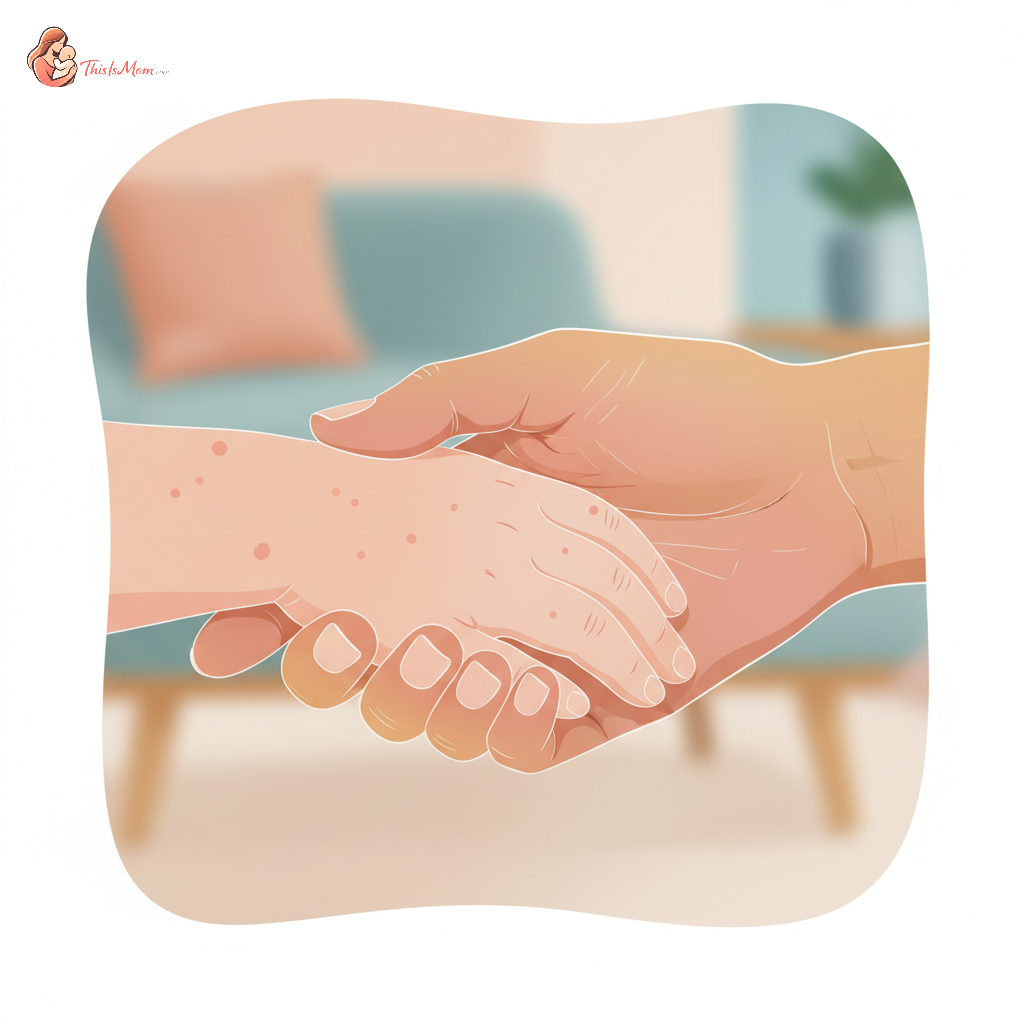
Daycare Exposure to Hand, Foot, and Mouth Disease: What to Do
Your child was exposed to Hand, Foot, and Mouth Disease (HFMD) at daycare, and now you're wondering what steps to take. This guide will walk you through what to watch for, how to care for your child, and when to seek medical advice, drawing from recommendations by leading health organizations.
Understanding Hand, Foot, and Mouth Disease (HFMD) Basics
Hand, Foot, and Mouth Disease is a common viral illness, frequently affecting young children. It's typically caused by coxsackieviruses. The Centers for Disease Control and Prevention (CDC) notes that while several different viruses can cause HFMD, coxsackievirus A16 and enterovirus 71 are the most frequent culprits in the United States.
How HFMD Spreads
HFMD spreads easily through close contact with an infected person. This includes:
- Droplets: From coughing, sneezing, or respiratory secretions.
- Direct Contact: Touching blisters or stool.
- Contaminated Surfaces: Touching a surface with the virus on it and then touching your eyes, nose, or mouth.
Given how readily it spreads within group settings, understanding how to respond to daycare exposure to Hand, Foot, and Mouth Disease is a common concern for parents.
Common Symptoms to Watch For
After exposure, there's an incubation period before symptoms appear, typically 3 to 6 days. Initial signs might include:
- Fever
- Sore throat
- Feeling unwell (malaise)
- Loss of appetite
These early symptoms can be general and easily mistaken for a common cold. However, they often precede the characteristic rash.
Monitoring Your Child After Daycare Exposure: Early Signs & Stages
Vigilance is key when you know there's been exposure. While not every child exposed will become ill, knowing the progression can help you manage the situation effectively.
Hand, Foot, and Mouth Disease Day by Day
The most recognizable symptoms of HFMD typically appear a day or two after the initial fever or sore throat. The rash associated with HFMD usually develops a bit later.
- Day 1-2 (after initial symptoms): Sores may appear in the mouth. These often start as small red spots that can blister and become painful, appearing on the tongue, gums, and inside of the cheeks.
- Day 2-3 (after initial symptoms): A rash typically emerges on the hands and feet. The Mayo Clinic describes this rash as flat red spots, sometimes with blisters, that may be painful. It commonly appears on the palms of the hands and soles of the feet.
- Later Stages: The rash can also appear on the knees, elbows, buttocks, or genital area. Fevers usually subside within a few days, but the mouth sores can persist and cause discomfort for about a week.
When to Contact Your Pediatrician
While HFMD is generally mild, it's always wise to check in with your child's doctor. The American Academy of Pediatrics (AAP) suggests contacting your pediatrician if:
- Your child is under 6 months old.
- Your child has a high fever (check specific temperature guidelines with your pediatrician).
- Your child shows signs of dehydration (e.g., fewer wet diapers, crying without tears, sunken eyes).
- Symptoms are severe or do not improve after 7-10 days.
- You are concerned about your child's symptoms.
Your pediatrician can confirm the diagnosis and offer personalized advice for your child's specific situation.
Caring for Your Child with HFMD at Home
Once diagnosed, your focus shifts to comfort and symptom management. HFMD is a viral illness, meaning antibiotics won't help. The goal is to make your child comfortable while their body fights off the virus.
Comfort Measures and Symptom Relief
The most common complaint from children with HFMD is the pain from mouth sores, which can make eating and drinking difficult.
- Hydration: Offer plenty of fluids. Cold drinks can be soothing. Water, milk, diluted juices, and popsicles are good options. Avoid acidic or very salty drinks, which can irritate mouth sores.
- Pain Relief: For children over 6 months old, infant or children's acetaminophen or ibuprofen can help reduce fever and ease discomfort. Always follow the dosage instructions on the package and consult your pediatrician if you have questions.
- Soft Foods: Offer bland, soft foods that are easy to swallow. Yogurt, applesauce, mashed potatoes, and lukewarm (not hot) soups can be good choices.
Treatments That Help (and What Doesn't)
Discover your baby's phase
As mentioned, antibiotics are not effective against the viruses that cause HFMD. The primary "treatment" is supportive care.
- What Helps: Plenty of rest, fluids, and appropriate over-the-counter pain relievers (if age-appropriate and recommended by your pediatrician).
- What Doesn't Help: Antibiotics, antiviral medications specifically for HFMD (as none are generally prescribed for uncomplicated cases), or medications not recommended by your doctor.
Best Cream for Hand, Foot, and Mouth Disease
For the rash itself, there isn't a specific cream that cures HFMD. However, some parents find relief using over-the-counter topical treatments.
- Calamine Lotion: This can help soothe the itchy rash on the skin.
- Cool Compresses: Applying a cool, damp cloth to the affected areas can provide temporary relief from itching or burning.
It’s best to discuss any topical treatments with your pediatrician to ensure they are safe and appropriate for your child.
Daycare and HFMD: When to Keep Your Child Home and Quarantine Periods
Deciding when your child can return to daycare is a crucial step in preventing further spread. Health organizations and daycare centers have specific guidelines.
How Long Should a Child Stay Home From Daycare?
The general recommendation from many public health bodies and daycare policies is that a child with HFMD should stay home until:
- Fever-Free: They have been fever-free for at least 24 hours without the use of fever-reducing medication.
- Blisters are Dry: Their blisters have dried up and crusted over.
Some sources, like the CDC, suggest children should be excluded from daycare as long as they have symptoms, particularly open sores or weeping blisters. It’s essential to check your specific daycare’s policy, as they may have stricter rules to protect their population.
Communicating with Your Daycare and What to Expect
Open communication with your daycare provider is vital.
- Inform Them: Notify the daycare immediately if your child is diagnosed with HFMD. This allows them to monitor other children and alert other parents.
- Follow Their Policy: Understand and adhere to their sick child policy regarding return to care.
- Hygiene Reinforcement: Daycares are often vigilant about hygiene when HFMD is present, increasing cleaning protocols and encouraging frequent handwashing for staff and children.
Preventing the Spread: Tips for Your Family and Others
Once HFMD enters a household or daycare, preventing its further spread requires consistent effort.
Hygiene Practices at Home
Excellent hygiene is the most effective way to limit transmission.
- Handwashing: Wash hands frequently with soap and water for at least 20 seconds, especially after changing diapers, using the toilet, and before preparing food.
- Disinfection: Clean and disinfect frequently touched surfaces, toys, and utensils.
- Avoid Sharing: Discourage sharing of cups, utensils, and personal items.
- Diaper Changes: Practice meticulous hygiene during diaper changes, as the virus can be present in stool.
Can Adults Get HFMD? What About Siblings?
Yes, adults can get HFMD, though it's often less severe than in children. Symptoms can include fever, sore throat, and a rash. Close contacts, including siblings who are not yet immune, can also contract the virus if exposed. If a sibling develops symptoms, they should also be kept home from school or other group activities until they are no longer contagious according to the guidelines. For families navigating multiple children's needs, understanding how to engage a toddler during partner's Zoom calls without screens can be a helpful distraction.
Going Back to Work if Your Child Has HFMD
This is a common dilemma. If your child has HFMD and needs to stay home from daycare, you may need to arrange for childcare or take time off work. The decision to go to work generally centers on whether you are contagious yourself.
- If You Are Asymptomatic: If you have not developed symptoms of HFMD, and your child is home with another caregiver, you can typically continue to go to work.
- If You Develop Symptoms: If you develop symptoms of HFMD, you should practice the same hygiene protocols as for your child and consider staying home from work if your symptoms (like fever or significant illness) prevent you from performing your job duties. Always follow your employer's sick leave policies.
Navigating a Hand, Foot, and Mouth Disease exposure at daycare can feel overwhelming, but understanding the typical course of the illness and following health guidelines can help you manage it with confidence. Remember, your pediatrician is your best resource for personalized advice.