Infant Fever After Vaccines: Daycare Policies & Safe Care
Understand daycare policy on fevers after infant vaccines. Learn AAP guidelines, when to keep baby home, and how to communicate effectively with your childcare.
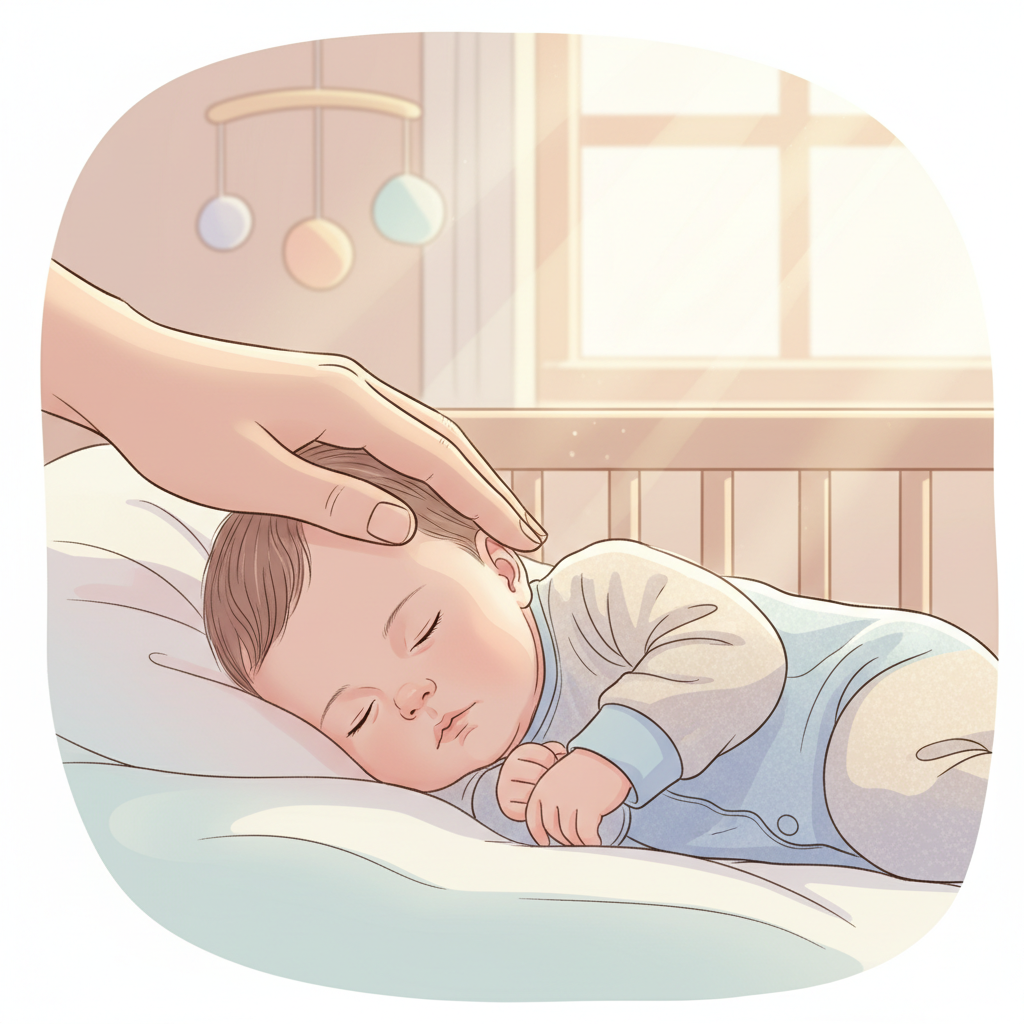
Navigating Daycare Fever Rules After Your Baby's Shots
Your baby just had their 2-month or 4-month shots, and a mild fever has popped up. Now what? You're probably wondering about your daycare's policy on fevers after minor vaccines, especially when your little one isn't acting terribly sick. It's a common concern for parents, balancing your child’s health with daycare requirements.
Why Daycares Have Illness Rules
Daycares have policies about sick children to protect everyone in their care. They aim to prevent the spread of germs, ensuring that viruses and bacteria don't easily jump from one child to another, or to staff. Learn more about strategies to reduce daycare germs in shared spaces and keep your child healthier.
These rules are in place for good reason. Keeping sick children home helps maintain a healthy environment for all enrolled children. It also helps prevent outbreaks that could lead to widespread illness and staff shortages.
The challenge with fevers after vaccines is that they can mimic illness, leading to confusion about when a child is truly contagious versus just having a mild, temporary reaction.
Understanding Vaccine Reactions and Fever Guidelines
The American Academy of Pediatrics (AAP) provides clear guidance on managing fevers in infants, including those that occur after vaccinations. It's essential to understand what the AAP says versus what your daycare's specific policy might stipulate.
What the AAP Says About Mild Post-Vaccine Fevers
According to the AAP, mild fevers are a common and expected side effect of routine childhood immunizations. These fevers are typically short-lived and a sign that the immune system is building protection.
The AAP notes that most fevers after vaccines are mild and resolve on their own within 24-48 hours. They emphasize that treatment is generally not needed if the child is otherwise comfortable and hydrated.
For parents of a baby with a fever after vaccine at 2-month-old or 3-month-old, this is reassuring. It suggests that a slight temperature elevation isn't usually cause for alarm if other symptoms are absent.
Common Fever Thresholds in Daycare Policies
Most daycare sick child policies have a specific temperature threshold that requires a child to stay home. This threshold can vary; some daycares may require a child to be fever-free for 24 hours before returning.
Commonly, daycare fever policies might state that a temperature of 100.4°F (38°C) or higher requires a child to be picked up. Some may have a higher threshold, like 101°F or 102°F, particularly if the child's overall behavior is good.
Ambiguity often arises when a baby has a low-grade fever after vaccination but is otherwise happy and active. The daycare policy might not clearly differentiate between a reactive fever and a contagious illness. When a toddler gets sick often starting daycare, it's normal as their immune system builds defenses.
Navigating the 'When to Return' Ambiguity
Daycare policies often include a clause about returning to care once the child is "fever-free for 24 hours" or "free of fever without medication." This is to ensure the illness has truly passed and isn't just being masked by fever reducers.
However, after vaccinations, a mild fever might resolve on its own within that timeframe, or it might fluctuate slightly. This can create a gray area for parents trying to adhere to the policy while also recognizing their baby is recovering from a vaccine reaction.
The key is understanding the difference between a post-vaccine fever and an illness that requires exclusion. This is where communication with your pediatrician and daycare becomes crucial.
Managing Post-Vaccine Fevers at Home
When your baby develops a fever after their injections, it's natural to want to provide comfort. Knowing how to assess and manage it at home is important.
Recognizing a Mild vs. Concerning Fever
The AAP advises that for infants younger than 3 months, any rectal temperature of 100.4°F (38°C) or higher warrants a call to the pediatrician. For older infants, the number itself becomes less important than the baby's overall behavior.
Signs that a fever, even after vaccination, might be concerning include:
- Lethargy or unusual sleepiness
- Irritability that cannot be soothed
- Refusal to drink or feed
- Signs of dehydration (fewer wet diapers)
- Difficulty breathing
- A rash that doesn't disappear when pressed
If your baby has a fever after vaccine at 2-month-old or 3-month-old, but is still alert, drinking well, and playing, the fever is likely just a vaccine reaction. Understanding baby's first finger foods and ensuring they are hydrated can also help.
Safe Ways to Comfort Your Baby
For mild fevers, comfort measures are often sufficient. The "3-2-1 rule" is a helpful way to think about post-vaccine care:
- 3 days: Some mild fussiness or low-grade fever may last up to 3 days after vaccination.
- 2 doses: Acetaminophen (Tylenol) or ibuprofen (Motrin, Advil) can be given if the fever is making your baby uncomfortable. Always follow the dosage guidelines recommended by your pediatrician and based on your baby's weight, not age.
- 1 call: Call your pediatrician if you have any concerns about your baby's reaction.
Other comfort measures include offering plenty of fluids (breast milk or formula), dressing your baby in light clothing, and offering cuddles. Ensure the room temperature is comfortable.
Discover your baby's phase
Never give aspirin to infants. It has been linked to Reye's syndrome, a serious illness. For any medication questions, always consult your pediatrician.
When to Call Your Pediatrician About Fever After Vaccines
While most post-vaccine fevers are mild, there are times when medical advice is necessary. The AAP recommends contacting your pediatrician if:
- Your baby is under 3 months old and has a rectal temperature of 100.4°F (38°C) or higher.
- The fever is 102°F (39°C) or higher in an infant over 3 months.
- The fever lasts more than 2-3 days.
- Your baby shows any of the concerning signs of illness mentioned previously.
- You have any doubts or are worried about your baby's well-being.
Your pediatrician can help you differentiate between a normal vaccine reaction and a potential illness that might require specific treatment or management beyond home care. You might also need to consider HSA for unexpected baby expenses in case of further medical needs.
Communicating Effectively with Your Daycare
Having open and clear communication with your daycare provider is key to navigating these situations smoothly.
Pre-Vaccine Conversations: Clarifying Expectations
Before your baby's vaccine appointments, it's a good idea to review your daycare’s sick child policy in detail. If anything is unclear, proactively ask questions.
Specifically, inquire about their policy regarding mild fevers that occur after routine vaccinations. Ask how they handle situations where a child has a low-grade fever but appears otherwise healthy and comfortable. Daycare director interview questions about staff turnover can also help gauge the stability and care quality.
Understanding their stance beforehand can prevent misunderstandings on the day your baby needs to attend care after their shots.
Documenting Your Child's Vaccination History
Keep a detailed record of your child's vaccinations, including the dates administered and any known side effects. This documentation can be invaluable when discussing your child's health with the daycare.
If your child develops a mild fever after receiving their 2-month shots, for instance, you can calmly explain this to the daycare director, referencing the standard vaccine reaction that the AAP confirms.
Advocating for Your Infant and Navigating Strict Policies
Sometimes, daycare policies can seem overly strict or may not account for the nuances of post-vaccine reactions. If you feel your child is being excluded unnecessarily due to a mild, documented vaccine fever:
- Be polite but firm. Present the AAP's information if helpful, and explain your pediatrician's advice.
- Offer documentation. Provide a doctor's note if possible, confirming the vaccination and that the fever is expected and mild.
- Suggest a compromise. Could your child attend if you remain on call? Can you try to be picked up if their condition changes?
If a daycare maintains an inflexible policy that doesn't allow for typical vaccine reactions, you may need to consider alternative care arrangements or discuss your concerns further with daycare administration. Balancing remote work and part-time childcare options can be a consideration if regular daycare becomes difficult.
Preparing for Daycare After Vaccinations
Being prepared can alleviate much of the stress associated with your baby’s immunizations and potential daycare absences.
Planning for Potential Time Off
It's wise to anticipate that your baby might have a mild reaction to vaccines, potentially requiring a day or two at home. Discuss with your employer about potential flexible work arrangements or arrange for backup childcare if possible. Maximizing Dependent Care FSA for remote parents can help offset these costs.
This preparation means you won't be caught off guard if your daycare calls you to pick up your child due to a fever after their shots.
Essential Items for Post-Vaccine Comfort
Having a few key items at home can make managing a post-vaccine fever much easier. Ensure you have:
- Infant acetaminophen or ibuprofen (with clear dosing instructions from your pediatrician).
- A reliable thermometer.
- Plenty of fluids and easy-to-digest foods if your baby is old enough for solids.
- Comfortable, light clothing.
Having these on hand means you’re ready to provide immediate care and comfort for your little one.
Fostering Communication for a Better Experience
Ultimately, a strong, communicative relationship with your daycare provider benefits everyone. By understanding each other's perspectives and adhering to evidence-based guidelines from organizations like the AAP, you can navigate the challenges of infant vaccinations and daycare policies with greater confidence.
Remember, your pediatrician is your most valuable resource. They are there to support you in making the best decisions for your baby's health and well-being.