Daycare Red Flags: What to Look For
Learn to identify daycare red flags during your visit. This guide covers subtle cues, obvious warning signs, and critical questions to ask for peace of mind.
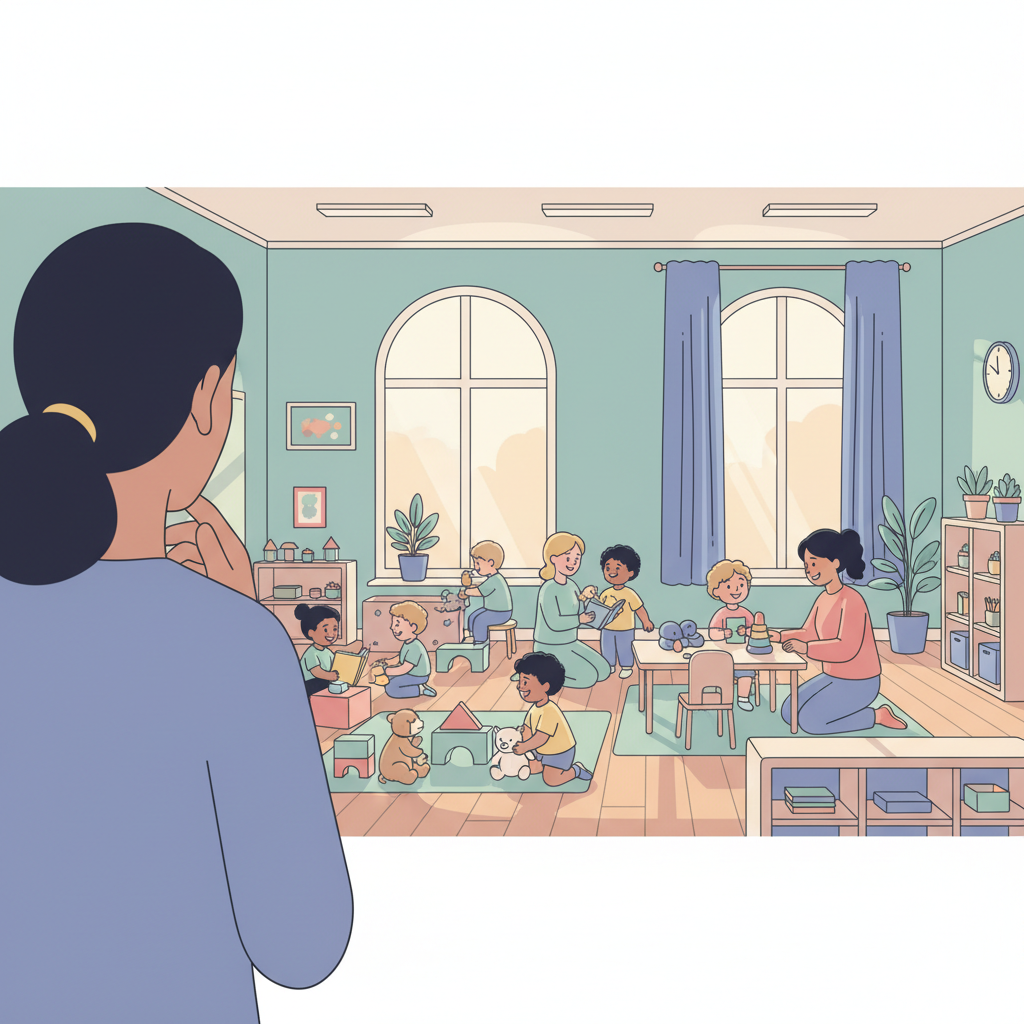
Daycare Red Flags: What to Look For & Ask on Your Tour
It’s 7:03 AM, and I’m simultaneously making a lukewarm coffee and mentally reviewing my meeting prep for an 8 AM sprint demo. My sweet 3-year-old is currently using my laptop keyboard as a drum set. This is the reality of working parenthood: the constant, intricate ballet of deadlines and diapers. And at the heart of it, for most of us, is the foundational decision of childcare. Finding a good daycare feels like an Olympic sport, and spotting daycare red flags during a daycare visit is the crucial first hurdle.
Let's be real, the cost of childcare isn't just financial. It's emotional, it's the career trade-offs you make, and it’s the constant underlying hum of worry when you're not there. The system often feels designed for a parent who isn't also trying to climb the corporate ladder, leading to an immense mental load. This is why scrutinizing every detail of a potential daycare isn't an overreaction; it's a necessity. It’s about safeguarding your child’s well-being and your own peace of mind.
The Nuances of Scouting: What You Might Miss on a Quick Walkthrough
When you’re on a daycare tour, it’s easy to focus on the shiny, happy stuff: colorful toys, decorated walls, and the general buzz of activity. But the truly important signals are often more subtle. They’re not always written on a policy manual or proclaimed by the center director. They’re felt.
The Vibe Check: Trust Your Gut
Beyond the superficial, there's an undeniable "vibe." Does the place feel warm, welcoming, and organized, or chaotic and stressed? Do the caregivers seem genuinely happy to be there, or are they going through the motions? This is the gut feeling test. If something feels off, even if you can't articulate precisely why, pay attention. Your intuition is often your best guide when navigating tough decisions.
Staff Interactions: Are They Engaged?
Watch the teachers interact with the children. Are they on the floor, playing, talking, and responding to individual needs? Or are they standing to the side, chatting amongst themselves, or just issuing perfunctory commands? Observe how they handle minor conflicts or a crying child. Are they patient and comforting, or dismissive? Engaged staff are a strong indicator of quality care.
Cleanliness Beyond the Surface
Sure, a daycare will look cleaner during a scheduled tour. But look past the visible. Are surfaces wiped down consistently? Are toys stored in their proper places? Are diaper changing areas separate from food prep areas and meticulously clean? A lack of attention to detail in hygiene can point to broader issues.
Transparency & Communication Style
How does the staff answer your questions? Are they open and honest, or do they seem evasive? Do they readily provide information about their policies, curriculum, and how they handle daily communication with parents? A transparent communication style is non-negotiable. If they seem reluctant to share details or push back against your inquiries, consider it a major red flag.
The Obvious Issues: Clear Warning Signs & Common Daycare Violations
Beyond the subtle cues, some signs are glaringly obvious. These are the deal-breakers, the things that should send you running for the perceived safety of your cubicle.
Unsafe Environment & Lack of Supervision
The most critical aspect of any childcare setting is safety. Are there obvious hazards like unlocked cabinets with cleaning supplies, reachable electrical outlets, or tripping hazards? Are children left unattended, even for a moment? Is there a clear security protocol for drop-off and pick-up? Are nap spaces adequately supervised? A lack of robust safety measures is a significant concern.
Disorganization & High Staff Turnover
A chaotic environment can indicate underlying management problems. Are classrooms cluttered beyond what's typical for young children? Are there piles of paperwork or materials strewn about? Beyond the visual, try to gauge staff turnover. If you hear multiple staff members mentioning they are new, or if the director can't confidently tell you how long their longest-tenured teacher has been there, it could signal a problem with the work environment and a lack of stability for the children.
Inadequate Ratios or Unhappy Children
Childcare regulations dictate staff-to-child ratios for safety and quality. While you might not be able to verify exact numbers on a tour, observe the overall dynamic. Are caregivers overwhelmed? Are there too many children for the available adults? Also, pay attention to the children themselves. Do they seem happy, engaged, and generally content? Or are many of them crying, withdrawn, or exhibiting signs of distress?
What are 5 Red Flag Symptoms (Beyond the Physical Site)?
Discover your baby's phase
Sometimes the issues aren’t immediately apparent upon entering the building. These are the "behind-the-scenes" symptoms:
- Vague Answers: Evasive responses to questions about discipline, illness, or daily schedules.
- Limited Parent Involvement: Reluctance to allow parents to visit unannounced or to have regular check-ins.
- Poor Staff Morale: Caregivers who seem perpetually stressed, unhappy, or disengaged.
- Unclear Illness Policy: Ambiguity about when children must stay home or when they can return after being sick. This is a crucial point for places like family childcare homes vs. centers.
- Lack of Emergency Preparedness: When asked about procedures for fire, medical emergencies, or lockdowns, you receive unclear or unconvincing answers.
Common Daycare Violations You Should Know About
While you won't be conducting an official inspection, being aware of common violations can help you spot potential issues. These often include:
- Exceeding mandated staff-to-child ratios.
- Inadequate supervision, leading to accidents.
- Unsanitary conditions or improper food handling.
- Lack of required safety equipment (e.g., working smoke detectors, adequate first-aid supplies).
- Improper storage of hazardous materials.
- Failure to maintain accurate attendance records or administer medications correctly.
Questions to Ask: Digging Deeper with the Director and Staff
A good daycare director will welcome your questions. They should be able to answer them clearly and confidently. This is your chance to get beyond the surface and understand the core operations.
Staff Training & Emergency Protocols
Ask about the qualifications and ongoing training of their staff. What certifications do they hold (e.g., CPR, First Aid)? What are their procedures for emergencies like fires, medical crises, or natural disasters? How often are these drills practiced? For a child who might be particularly sensitive, understanding how a daycare handles emergencies is key, as discussed in preparing a sensitive child for daycare.
Discipline Policies & Daily Routines
Understand their approach to discipline. Are they focused on positive reinforcement, redirection, or do they employ punitive measures? How do they manage behavioral challenges? What does a typical daily schedule look like for your child's age group, including times for play, meals, naps, and learning activities?
Illness Policies & Parent Communication
Clarify their policy on sick children. What symptoms require a child to stay home, and what is the protocol for returning? How do they handle illness within the center? How frequently and through what channels will parents receive updates about their child's day? Do they use an app, email, or daily reports?
After the Tour: What to Do Next
You've seen the space, asked your questions, and gotten a feel for the environment. Now comes the critical part: processing it all and making a decision.
Trusting Your Instincts
Revisit your initial impressions. Did the staff seem genuinely caring and attentive? Did the environment feel safe and nurturing? If you had any lingering doubts or felt uncomfortable, don't dismiss them. This is your child's daily experience, and your peace of mind matters.
Checking References & Online Reviews (Yes, Even Reddit!)
If you're serious about a center, ask for references from current parents. Don't hesitate to look up reviews online. Places like daycare red flags Reddit threads can offer unfiltered parental experiences, though always take individual anecdotes with a grain of salt. Look for recurring themes, both positive and negative.
Making Your Decision
Ultimately, your decision about where to place your child should be based on a balance of objective criteria and your subjective comfort level. There's no such thing as a "perfect" daycare, just as there’s no perfect parent or perfect workday. It's about finding the best daycare environment for your infant (or toddler, or preschooler) that aligns with your family's values and provides a safe, stimulating, and loving space. The goal is not to find a flawless institution but to find one that feels right for your child and allows you to focus on your work, knowing they are well cared for.