Digital Safety Tips for Kids: A Parent's Guide
Learn practical digital safety tips for kids, including parental controls, open communication, and managing screen time, to create a secure online environment.
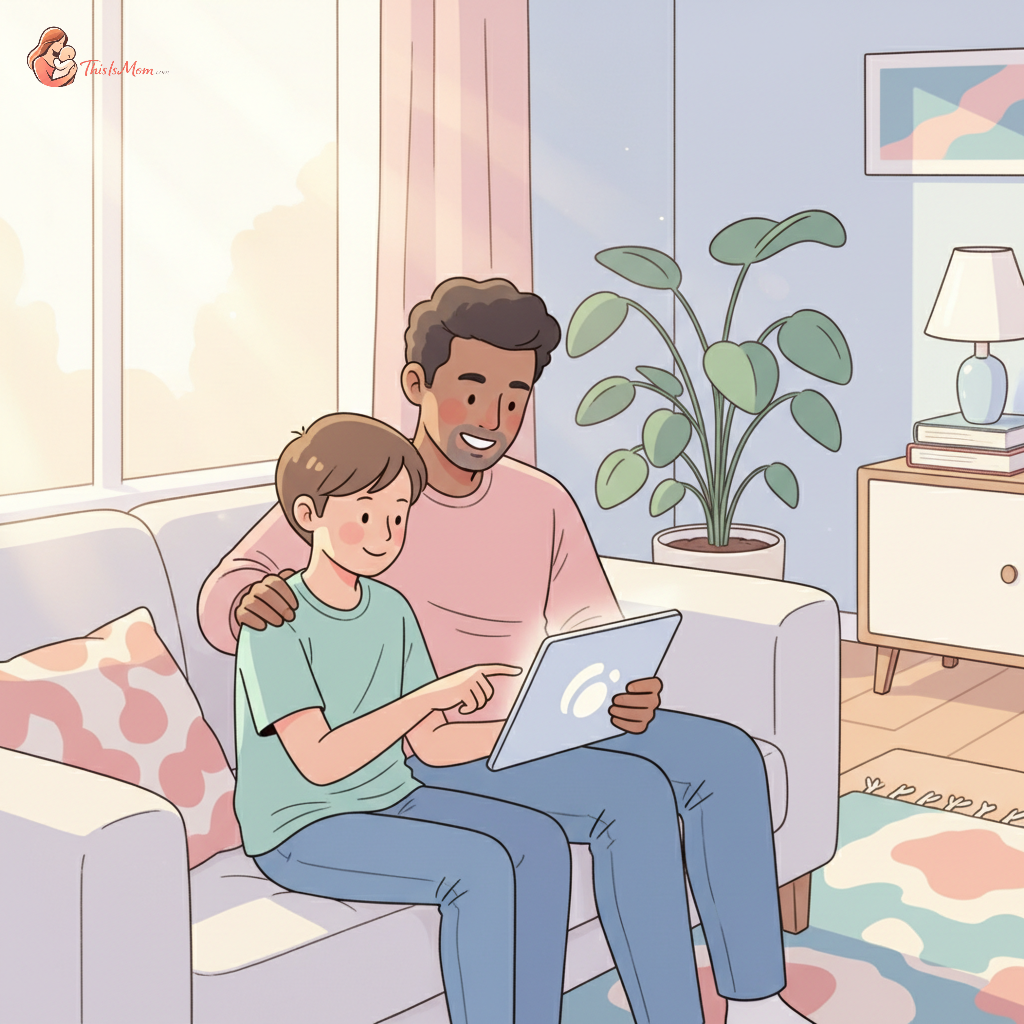
Digital Safety Tips for Kids: A Parent's Guide
Your child is asking for a tablet – how do you ensure they stay safe online? In today's world, navigating the digital landscape is as essential as teaching kids to look both ways before crossing the street. The internet offers incredible opportunities for learning and connection, but it also presents unique challenges for families. This guide offers practical digital safety tips for kids, grounded in recommendations from leading organizations, to help you create a secure online environment for your children.
The Shifting Digital Landscape for Today's Families
The digital world for children has evolved rapidly. What might have been a novelty for previous generations is now an integral part of childhood. From educational apps and virtual playdates to social media and online gaming, our kids are engaging with technology from a very young age. This ever-changing environment means parents need up-to-date information to guide their children effectively.
For many parents, concerns about online safety can be significant. We worry about exposure to inappropriate content, interactions with strangers, the permanence of online actions, and the impact of technology on our children's well-being. Understanding these common parental concerns is the first step in developing a robust online safety strategy.
Cultivating a Foundation: Open Communication and Digital Citizenship
Building a strong foundation for digital safety starts with open, honest conversations. This isn't a one-time talk, but an ongoing dialogue about the online world and its implications.
The American Academy of Pediatrics (AAP) suggests creating a "Family Media Plan." This plan helps families think critically about media use and set intentional boundaries. You can find a helpful template on the AAP's website, which prompts discussion about screen-free times, how to balance online and offline activities, and rules for online behavior.
As parents, our own digital habits matter. Children learn by observing, so modeling responsible technology use is crucial. This includes putting away devices during meals, being mindful of privacy settings, and engaging respectfully in online interactions.
It's also important for children to understand their "digital footprint." This refers to the trail of data they leave behind when they use the internet. Research suggests that what is posted online can be difficult to remove entirely, so teaching kids to think before they post is a vital skill.
Essential Tools: Parental Controls and Privacy Settings
Utilizing available tools can significantly enhance online safety for children. This involves understanding and implementing parental controls and privacy settings on devices and platforms.
When setting up new devices, take the time to explore the built-in safety features. Many operating systems offer robust options for limiting app access, setting time limits, and filtering content. The Mayo Clinic provides a good overview of how to approach device setup with safety in mind, emphasizing a proactive approach.
When choosing apps and online content, consider age appropriateness. Look for apps that have strong privacy policies and avoid those that collect excessive personal information. Resources like Common Sense Media offer reviews and age ratings for apps, games, and websites, helping you make informed decisions about what your child engages with.
Discover your baby's phase
Safeguarding personal information is paramount. Teach children never to share their full name, address, school, or phone number with people they only know online. Regularly review privacy settings on social media platforms and gaming accounts to ensure they are as restrictive as possible for younger users.
Navigating Online Interactions: Friends, Strangers, and Cyberbullying
The social aspect of the internet is a major draw for kids, but it also requires careful navigation. Understanding who children are interacting with online is key.
While many online friendships are positive, it's important for children to understand the difference between online acquaintances and trusted individuals in their offline lives. Guidelines often stress that if a child chooses to connect with someone online they've met in person, parents should be aware and involved.
Recognizing and responding to cyberbullying is a critical part of internet safety for families. Cyberbullying is harassment or bullying that occurs through digital devices like cell phones, computers, and tablets. It can include sending mean messages, spreading rumors, or posting embarrassing photos or videos. The Centers for Disease Control and Prevention (CDC) offers resources on understanding and addressing bullying behaviors.
Teaching children that they have the right to block users who make them feel uncomfortable and to report abusive behavior is empowering. Most platforms have built-in reporting mechanisms that should be utilized when necessary.
Screen Time: Quality Over Quantity & Healthy Boundaries
Finding the right balance with screen time is a common challenge. The AAP offers guidelines suggesting that for children aged 2 to 5, parents should co-view media with their children to help them understand what they are seeing and apply it to the world around them. For older children, the focus shifts to the quality of content and ensuring media use doesn't displace adequate sleep, physical activity, and other behaviors essential for health.
Designing screen-free zones and times can be highly effective. For instance, establishing a rule that no devices are allowed in bedrooms overnight can improve sleep quality. Similarly, designating mealtimes as device-free encourages family connection.
Encouraging offline activities and play is just as important as managing screen time. Promoting hobbies, sports, reading, and unstructured play supports a child's overall development and well-being.
When to Seek Help: Resources for Concerned Parents
If you encounter issues or feel overwhelmed, remember that support is available. There are numerous trusted organizations and resources dedicated to online safety for children.
Organizations like ConnectSafely and the National Center for Missing and Exploited Children (NCMEC) offer valuable information and hotlines for reporting concerns. Speaking with your child's school counselor or teachers can also provide support and guidance, especially if online issues are impacting their school behavior.
Ultimately, navigating the digital world with your children is an ongoing process. By staying informed, maintaining open communication, and utilizing available resources, you can help your kids thrive safely online.