Distraction Techniques for Tablet Removal (No Tantrums!)
Learn effective distraction techniques and proactive strategies to remove tablets from toddlers without causing tantrums. Keep screen time transitions peaceful.
Distraction Techniques for Tablet Removal Without Tantrums: Keeping the Peace When Screen Time Ends
It was 4:03 p.m. and the familiar glazed-over look was settling onto Noah’s face. He was deep in "Blippi's World of Tractors," utterly mesmerized. My own face, however, was a mask of impending dread. The dreaded moment was approaching: tablet time was almost up, and the tantrum tsunami was just around the corner. I was desperately Googling "distraction techniques for tablet removal without tantrums," hoping for a magic bullet. Real talk — nobody actually prepares you for this particular battle.
Honestly, watching your sweet baby turn into a screaming banshee over a device is rough. It can make you feel like you’re failing, like you’ve done something wrong. But here’s the thing: you’re not alone, mama. We’re all in this digital parenting minefield together.
Why Screen Time Transitions Are So Tricky (You're Not Alone!)
Understanding why this transition is so hard is the first step. It’s not just about your toddler being stubborn; their little brains are wired differently when they’re on a screen.
The bright colors, the rapid-fire sounds, the instant gratification – it all creates a dopamine rush. It’s like a high-energy, super-stimulating party happening inside their heads. When you try to pull them away from that, it’s like abruptly turning off the disco ball and expecting them to calmly sit down for tea. Their system is just…overloaded and not ready to downshift.
And let’s be honest, sometimes it feels like a power struggle because, well, it is. We have our agenda (dinner, bath, bedtime), and they have theirs (more Blippi!). When their desire for uninterrupted screen time clashes with our need to move on with life, someone’s needs aren’t going to be met. And usually, it’s theirs, which triggers the meltdown.
Setting the Stage: Proactive Strategies for Peaceful Transitions
The good news is, you can often get ahead of the meltdowns. It’s all about setting expectations and creating a predictable flow.
- The Classic Warning: The "five-minute warning" is a lifesaver. At five minutes left, I’ll announce, “Noah, we have five more minutes until tablet time is over!” I make it sound exciting and remind him what’s coming up next. You can also try variations, like a "two-minute song" or "one more game." The key is giving them a heads-up so they have time to mentally prepare for the shift.
- Visual Timers: These are fantastic, especially for toddlers who don’t grasp abstract concepts of time. A sand timer, a kitchen timer that lights up, or even a visual countdown app can make the time tangible. Seeing the sand run out or the colors disappear is much easier to understand than just hearing "five minutes."
- Consistency is Key: If tablet time is always followed by a specific activity or if the warnings are always given, your child will start to anticipate the routine. This predictability builds trust and reduces the likelihood of resistance. It helps them feel secure because they know what’s coming next.
Discover your baby's phase
Creative Distraction Techniques That Actually Work
This is where the real magic happens. You need a highly enticing "bridge activity" ready to go.
- High-Value Activities: Think about what genuinely excites your child, something that can instantly capture their attention. It could be a special box of toys that only comes out at screen-time-end, a beloved book, or even playing with bubbles in the sink. The idea is to offer something that pulls them away from the screen towards something equally (or more) engaging.
- Engage All Senses: Engaging all their senses is a powerful tool. What does your child love to smell? Maybe it’s baking cookies or the scent of fresh playdough. What do they love to touch? A bin of dried beans, textured fabrics, or sensory balls can be incredibly captivating. And, of course, sound. A favorite musical instrument, a singing game, or even making silly noises can be a great distraction.
- Make it a Game: Turning the act of turning off the tablet into a game can also be a surprising delight. You could pretend you’re "super secret agents" shutting down a "power source," or maybe you're "helping the characters go to sleep." Sometimes, just making a funny noise as you press the button or making a game of who can find the "off" button first works wonders. The element of surprise and playfulness can diffuse tension instantly.
Making the Switch: How to Gently Remove the Tablet
When the time comes, the actual removal needs to be handled with care.
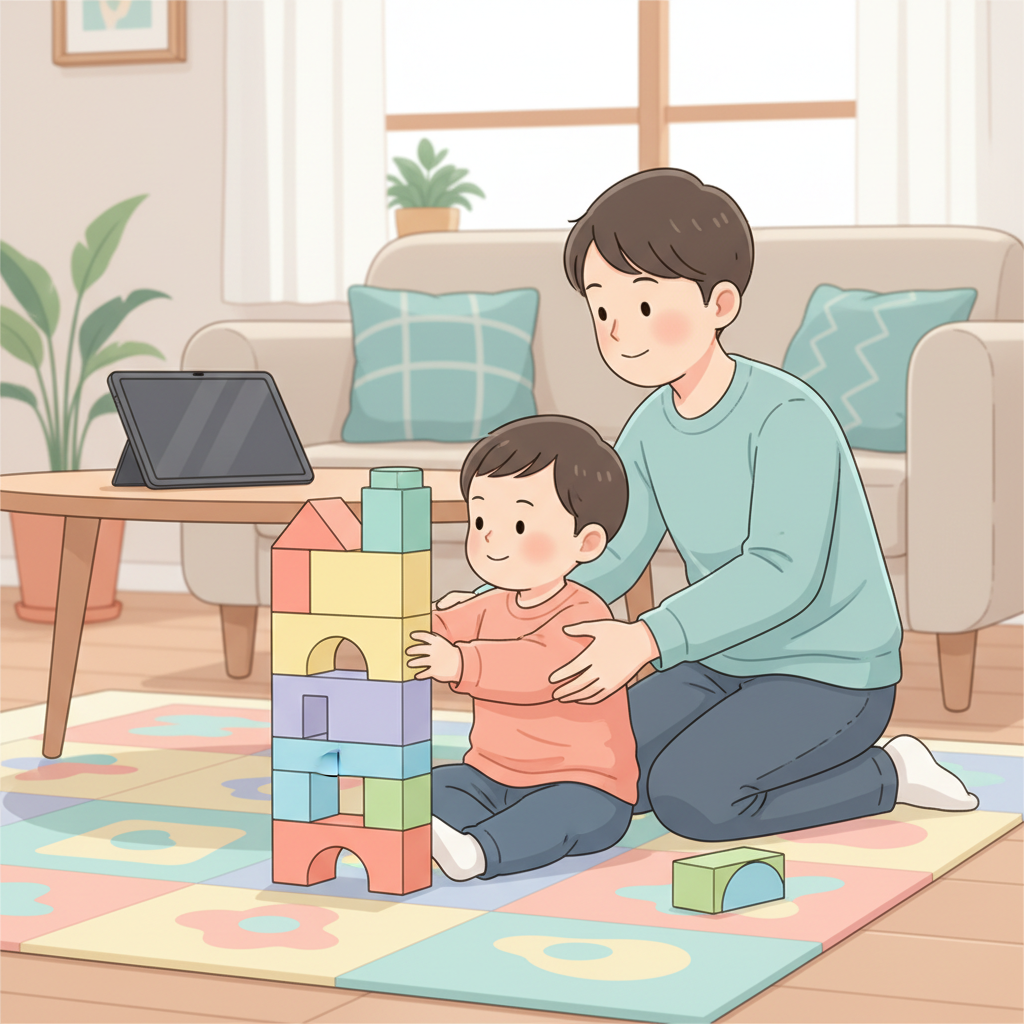
- The "Swap" Method: This is incredibly effective. You offer the exciting "bridge activity" before you even touch the tablet. "Noah, look! I have your favorite blue car right here!" or "Let's build a tower with these blocks!" Once their attention is on the new activity, it’s much easier to gently take the tablet away, perhaps saying, "Okay, tablet is all done for now!"
- Narrate the Transition: Keeping communication open throughout the process is incredibly important. Narrate what’s happening. "Tablet time is finished now, so we're going to go play with your train." This verbal cue, combined with the visual and the engaging activity, creates a multi-sensory transition that reduces confusion and resistance.
- Handling Tantrums: And let’s not sugarcoat it: sometimes, tantrums will happen. It’s a normal part of development. When they do, try to remain as calm as possible. Validate their feelings: "I know you're sad that tablet time is over." Then, avoid engaging in a lengthy debate. Offer comfort, but stick to the boundary. Sometimes a hug, a quiet space, or just letting them ride the wave until it passes is the best approach.
Beyond Distraction: Nurturing a Healthy Relationship with Screens
While distraction techniques are fantastic for managing transitions, it’s also important to think about the bigger picture of screen time.
- Quality Over Quantity: Focusing on high-quality screen time can make a difference. This means shows and apps that are interactive, educational, and age-appropriate, rather than passive, overly stimulating content. Consider co-viewing: watching with your child and discussing what’s happening. This turns passive viewing into an active learning experience. This is great advice for when you are screen sharing with your child that you want to ensure is educational.
- Balance with Screen-Free Play: Balancing screen time with ample screen-free play is crucial for development. Make sure there are plenty of opportunities for imaginative play, physical activity, reading books, and connecting with you and other people. This ensures their brains get the varied stimulation they need. It is also important to make sure your child is getting the right nutrition for their development, especially if they are 7 months old and starting on baby-led weaning and iron foods.
- Lead by Example: Finally, we have to lead by example. Our own device habits speak volumes. If we’re constantly glued to our phones, it sends a mixed message. Being mindful of our own screen time, putting devices away during meals, and actively engaging in screen-free activities yourself can set a powerful precedent for your child. It is also important for a parent to find a balance with their own needs, and sometimes a moment of quiet is needed when a baby only naps on you and you are dealing with postpartum anxiety.