Hospital Birth: Essential Documents for Your US Delivery
Preparing for your hospital birth in the US? Discover the essential documents to pack, from ID and insurance to pre-registration forms, to ensure a smooth arrival.
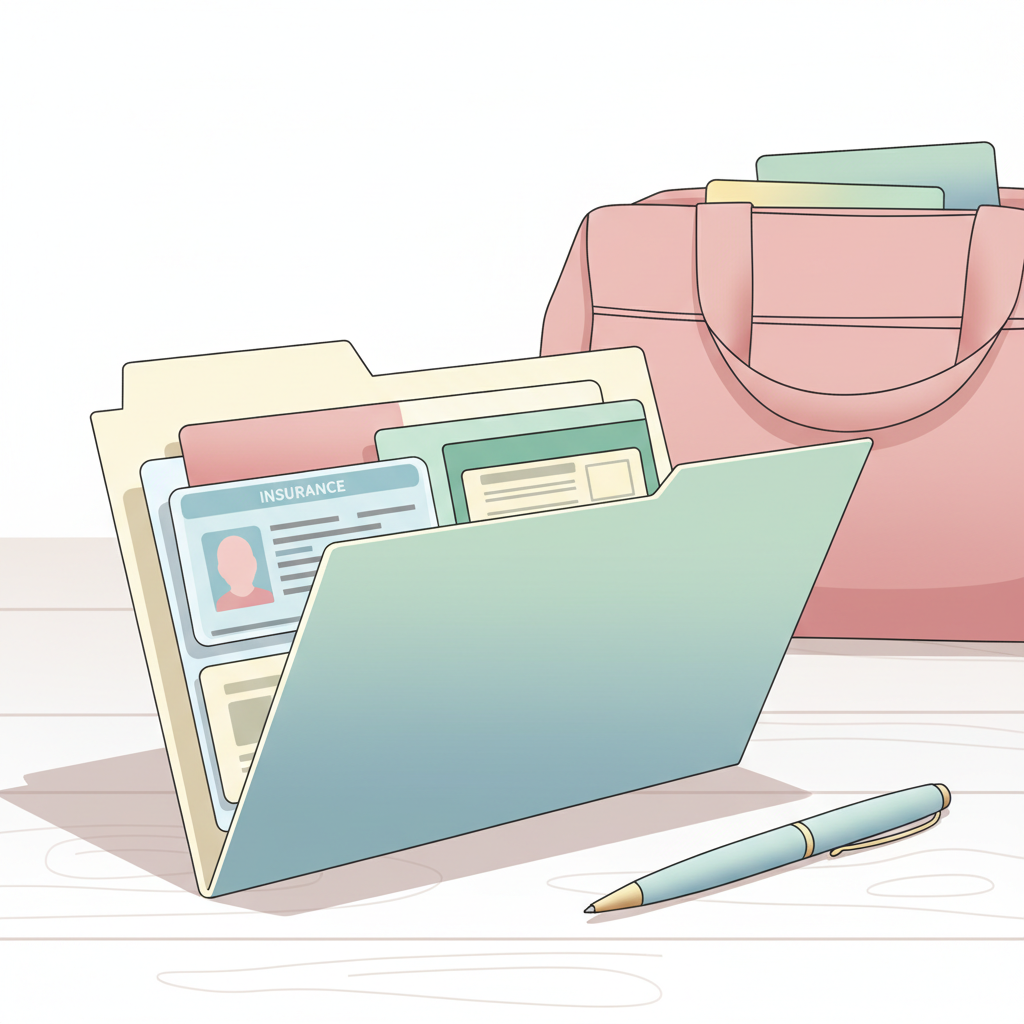
Hospital Birth: What Documents Do You Need to Pack?
As your due date approaches, you're likely thinking about your hospital bag checklist for mom and baby. Amidst the excitement of bringing your little one into the world, there's a crucial, often overlooked aspect of birth preparation: your essential paperwork. It's completely normal to wonder what documents you need to bring to an American hospital for birth.
More Than Just Clothes: The 'Behind-the-Scenes' Packing
Think of your hospital bag not just as a collection of clothes and toiletries, but as a carefully curated kit that supports you and your baby’s smooth arrival. This means gathering the necessary legal and administrative documents that will streamline your check-in process and ensure everything is in order from the moment you arrive.
Reducing Last-Minute Stress for a Calmer Birth Experience
Having all your essential documents organized and readily accessible can significantly reduce anxiety. Imagine arriving at the hospital, contractions progressing, and then scrambling for a birth certificate or insurance card. By preparing these ahead of time, you're gifting yourself and your support team peace of mind. This allows you to focus on the profound experience of birth and connecting with your newborn.
Your Essential Document Checklist for a US Hospital Birth
When it comes to preparation, a clear list helps immensely. Here’s a breakdown of the documents typically needed for a hospital birth in the US:
Photo ID and Proof of Residency
This is standard for any hospital admission. You'll likely need your government-issued photo identification (like a driver's license or passport) for patient identification and administrative processes. Proof of residency might also be requested.
Insurance Card(s) and Policy Information
Your health insurance information is paramount. Bring your insurance card(s) and any relevant policy numbers or group IDs. It's also wise to understand your coverage for maternity care and newborn services. If you have questions about coverage, call your insurance provider before your due date to understand what to expect financially.
Hospital Pre-Registration Forms & Birth Plan
Many hospitals encourage or require pre-registration. If you've completed these forms, bring copies with you. Similarly, if you've created a birth plan outlining your preferences for labor and delivery, pack a few copies to share with your medical team. This is your opportunity to communicate your wishes clearly.
Copies of Medical Records (Relevant Tests & Ultrasounds)
While your care provider's office will likely communicate with the hospital directly, having copies of key medical records, especially recent test results or ultrasounds, can be helpful. This is particularly true if you are delivering at a hospital different from your prenatal care provider's usual facility or if you have specific health concerns like hyperemesis gravidarum.
Proof of Income (if applying for financial assistance)
If you are applying for hospital financial assistance or have specific payment plans in place, you may need to bring documentation related to your income or financial situation. Check with the hospital’s billing or financial services department in advance to clarify what’s needed. For those concerned about finances, understanding tax benefits for new parents can also be helpful, such as claiming the Child Tax Credit for babies born late in the year.
Advanced Directives (Living Will, Power of Attorney for Healthcare)
These are important legal documents that outline your wishes for medical care, especially if you become unable to communicate them yourself. Bringing copies of your Living Will or Power of Attorney for Healthcare ensures your preferences are known and respected.
Special Considerations: What If Your Situation Is Unique?
If your circumstances are a bit different, a few extra documents might come into play.
Navigating Out-of-State Insurance
If your insurance is from another state, it’s especially important to understand how it works with your chosen hospital. Contact your insurance company beforehand to confirm coverage and understand any potential out-of-network implications. Having contact information for your insurance company readily available is key.
Discover your baby's phase
Preparing for Dual Citizenship Documentation
If you are not a US citizen and plan to give birth in the US, you may want to research dual citizenship requirements for your child with your home country. Any relevant birth registration documents or applications can be prepared or at least researched beforehand.
When You're Not the Expected Patient (Surrogacy, Adoptions)
For surrogacy or adoption situations, specific legal documents will be required. This can include surrogacy agreements, consent forms, and adoption paperwork that will need to be presented to the hospital’s legal and social work departments. It's vital to work closely with your agency and legal counsel on what needs to be brought. For those navigating pregnancy during a job change, understanding parental leave policies is also a key consideration.
Organizing Your Documents: Tips for Easy Access
Think of this as a mini-operations strategy for your arrival. A little organization goes a long way!
The 'Grab-and-Go' Folder System
Create a dedicated folder or a small binder for all your essential documents. Use clear plastic sleeves to protect them. Label this folder clearly, perhaps with "Hospital Birth Documents," so it’s easily identifiable in your hospital bag.
Digital Backups and Emergency Contacts
While physical copies are essential, consider having digital backups of important documents stored securely on your phone or a cloud service. Also, ensure a list of emergency contacts and key phone numbers (OB/midwife, pediatrician, close family) is easily accessible.
Who Needs Access to What (and When)
Discuss with your partner or support person which documents are their responsibility. Make sure they know where to find the "grab-and-go" folder in case you’re unable to retrieve it yourself during labor.
Beyond Documents: What Else to Pack for a Smooth Hospital Stay
While documents are critical, they are just one piece of the puzzle. Don't forget these other vital items for your hospital bag checklist for mom and baby.
Comfort Items for Mom: Essentials for Labor and Postpartum
Think about what will make you feel most comfortable and supported. This can include:
- Comfortable clothing (loose PJs, robe)
- Slippers or warm socks
- Toiletries and personal items
- Snacks and drinks
- Phone charger with a long cord
- Pillow from home
- Nipple cream and nursing bras if planning to breastfeed
Newborn Needs: First Outfits and Car Seat Ready
The hospital will provide most things for your baby, but you’ll want a few special items:
- An outfit for going home
- A going-home outfit that fits the weather
- A car seat properly installed in your car
- A blanket for the ride home
Partner/Support Person's Bag: Don't Forget Them!
Your support person will be your rock. Their bag should include:
- Change of clothes
- Toiletries
- Phone charger
- Snacks and drinks
- Book or entertainment
- Pillow